
Photo via ndtv.com
Zelensky Warns of Strikes, Russia Hits Kyiv Hours Later
Ballistic missiles struck the capital hours after Zelensky warned of imminent attacks on energy infrastructure and bridges, days before scheduled peace talks.
What happened
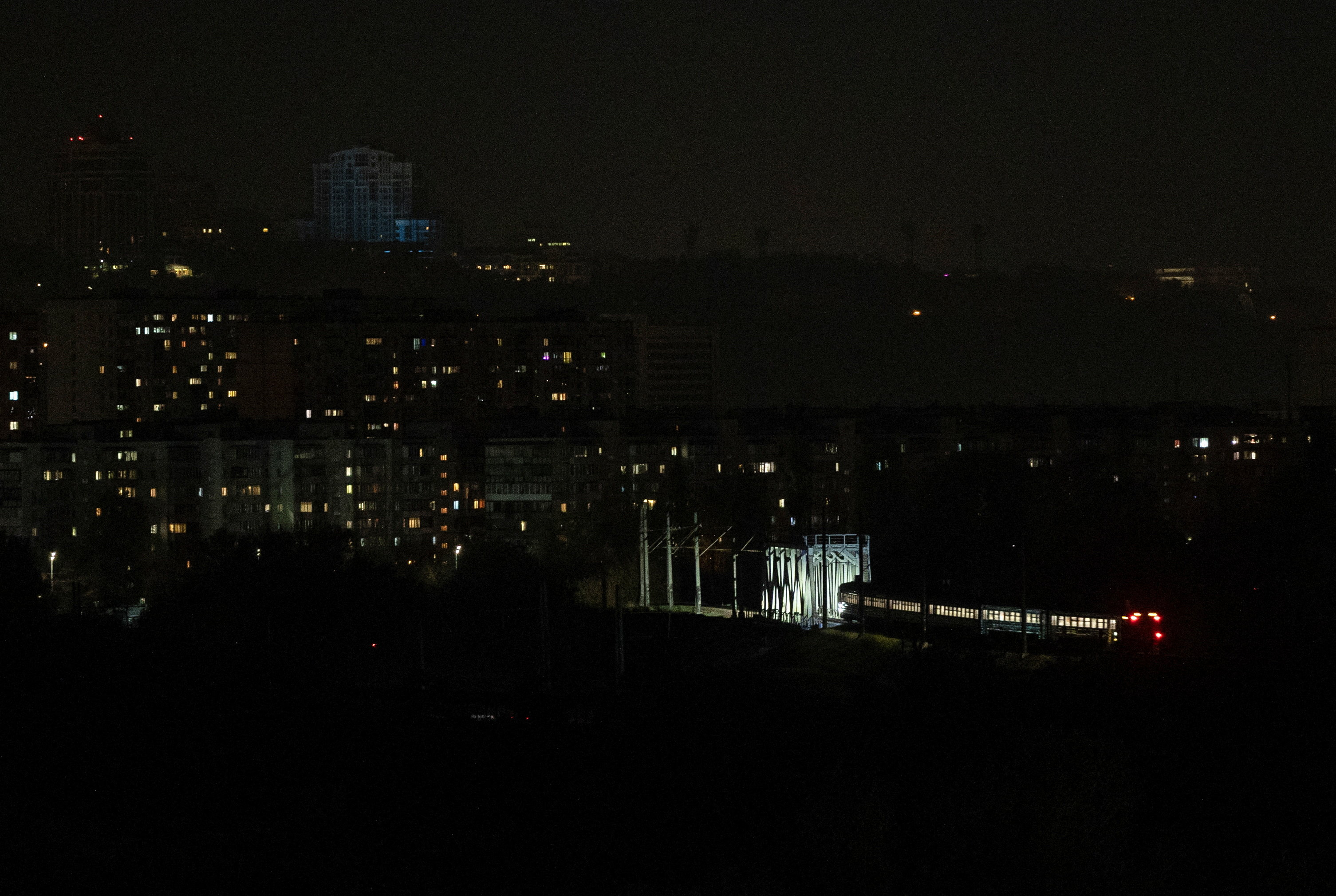
On November 6, Ukrainian President Volodymyr Zelensky warned in an evening address that intelligence indicated Russia was preparing a fresh, large-scale strike against energy infrastructure, bridges across the Dnipro River, and civilian targets. Roughly two hours later, just before 11 p.m. local time, Russian forces launched at least six ballistic missiles at Kyiv in multiple waves. Kyiv Mayor Vitali Klitschko reported that debris struck a five-story apartment building and damaged kindergarten facilities in western districts of the capital. At least two people were injured, with authorities continuing air-raid alerts into the night.
The attack aligns with a broader pattern: Russia has intensified missile and drone strikes on Ukrainian energy infrastructure as winter approaches, with Zelensky stating that every power plant in Ukraine has suffered damage from Russian attacks. Zelensky renewed his urgent plea for Patriot air-defense interceptor missiles, stating that "every day in terms of supplies is extremely important" and urging allies not to delay deliveries.
The U.S. approved a potential sale of 500 Patriot interceptors on October 30, but Zelensky warned the weapons could take years to arrive. He has instead called for immediate interim shipments—requesting 100 interceptors per month from existing Western stocks to defend Ukraine through the winter. Earlier this month, Zelensky told Fox News that Ukraine would halt strikes on Russian oil refineries if the U.S. provided Patriot interceptors or Russia halted energy attacks.
The strikes occurred just four days before trilateral U.S.-mediated peace talks scheduled to begin in Abu Dhabi on November 10-11, involving delegations from the U.S., Russia, and Ukraine. Previous rounds of talks have shown the two sides far apart on core issues, with Russia demanding territorial concessions and Ukraine rejecting those terms.
Chanakya's Move
Russia's move appears to combine two strategic signals. First, the intensity and timing of the strike—hours after a public warning, continuing the pattern of devastating winter attacks—demonstrates Russia's disregard for stated diplomatic openness and suggests Moscow is betting it can sustain costs longer than Ukraine and its Western backers. Second, the strike comes immediately before critical talks, signaling either confidence in Russia's negotiating position or intent to demonstrate that military pressure, not diplomacy, will drive outcomes. Ukraine's counter-move is to keep the international spotlight on the human cost and material damage, using each attack to renew calls for immediate Patriot supplies and to highlight that talks are meaningless without credible defense capacity. The underlying bet: that visible vulnerability and winter suffering will eventually force Western allies to prioritize urgent shipments over the slower purchase-cycle approval process.