Russia escalates Kyiv attacks, targets bridges as oil deal lingers in US-Russia talks
Moscow strikes two major bridges, kills six, and vows continued "massive" strikes while negotiating with Washington over Lukoil assets—as Kyiv pledges to hit Russian refineries and India proposes peace framework.
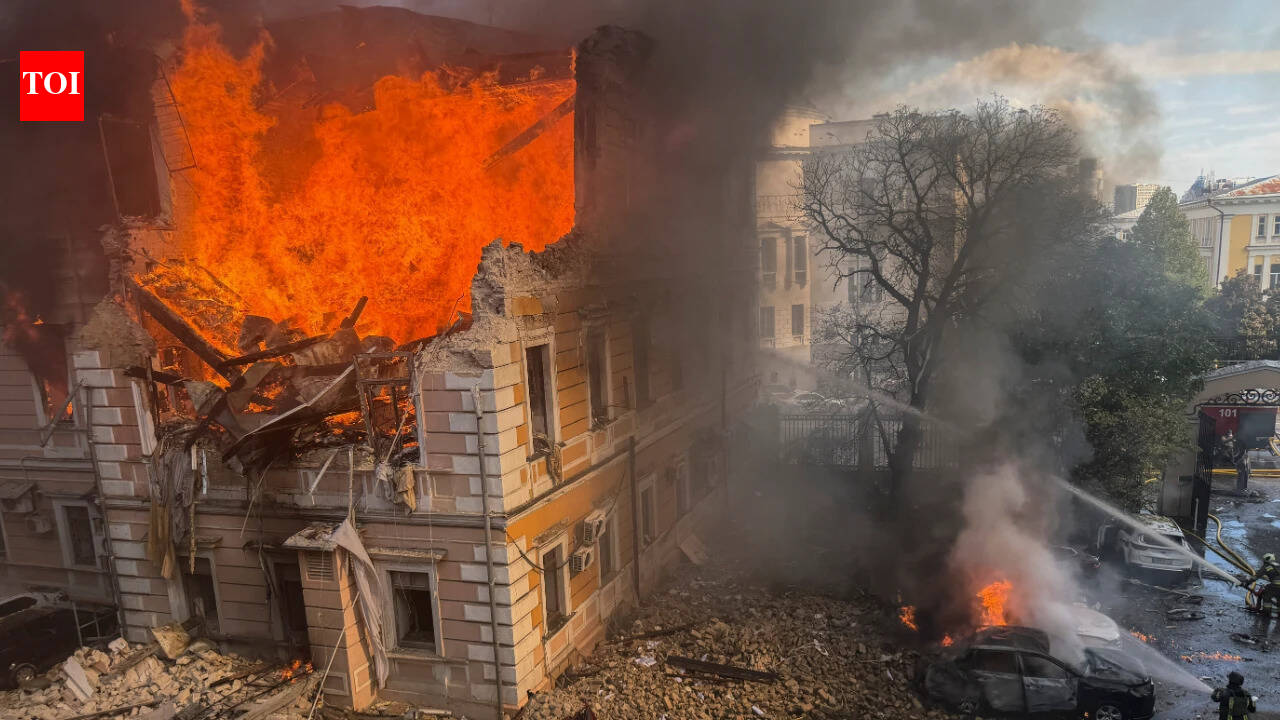
Russia struck two major bridges across Kyiv's Dnipro River within 48 hours, killing at least six people and suspending traffic across the capital. The Southern Bridge was hit multiple times on October 2, followed by the Northern Bridge on October 3, causing gridlock and closing key transit routes. Russia's Foreign Ministry issued a fresh warning on October 3, urging diplomats and foreign nationals to leave Kyiv and threatening "massive retaliatory strikes." The intensity marks an escalation in Russia's targeting of civilian infrastructure as part of what Zelenskyy called Putin's "new doctrine" for winter 2026. Ukrainian intelligence claims to have obtained documents showing Putin authorized broader attacks on schools, hospitals, and roads intended to force civilians to flee. In response, Zelenskyy announced Ukraine would intensify strikes on Russian oil refineries, framing them as the financial engine of the war effort—a policy at odds with Trump administration pressure to minimize such attacks due to global fuel price impacts. Separately, negotiations between the US and Russia on ending the war have expanded to include a multibillion-dollar transaction involving Lukoil's global oil assets, according to reporting from September talks between Putin and Trump envoys Steve Witkoff and Jared Kushner. The deal would require US government and Kremlin approval and would benefit Middle Eastern business groups tied to the negotiators. Ukraine has received four ceasefire proposals—from India, the US, Turkey, and Egypt—with Kyiv endorsing India's approach as the most comprehensive, combining energy and Black Sea truces. India's willingness to play an active mediating role marks a diplomatic shift.
How could this affect you
Traced by who's actually in the path of this — not everyone is.
Direct
Kyiv residents and business operators
Bridge closures disrupt daily movement and supply chains across the capital, creating gridlock and logistical delays as Russia targets transit infrastructure in a sustained campaign
Direct
Global diesel and oil traders
Ukraine's stated intent to escalate refinery strikes could raise Russian oil supply disruptions, lifting diesel prices—directly opposing Trump's pressure to limit such attacks, creating policy tension
Likely
US and international investors
The Lukoil deal contingent on Ukraine peace progress could unlock billions in asset value if sanctions lift, but remains tied to diplomatic outcomes; failure in talks keeps the deal blocked
Likely
Foreign diplomats and embassy staff in Ukraine
Repeated Russian warnings and actual strikes on bridges/infrastructure raise physical risk; some embassies may reduce presence or evacuate, potentially limiting diplomatic presence and mediation capacity
Likely
Ukraine and the broader international mediation effort
The gap between US interest in curbing refinery strikes (for oil prices) and Ukraine's insistence on targeting Russian war funding creates diplomatic friction that could slow peace momentum or alienate Ukraine from US support
Sources
Every claim here traces back to reporting you can read yourself.