
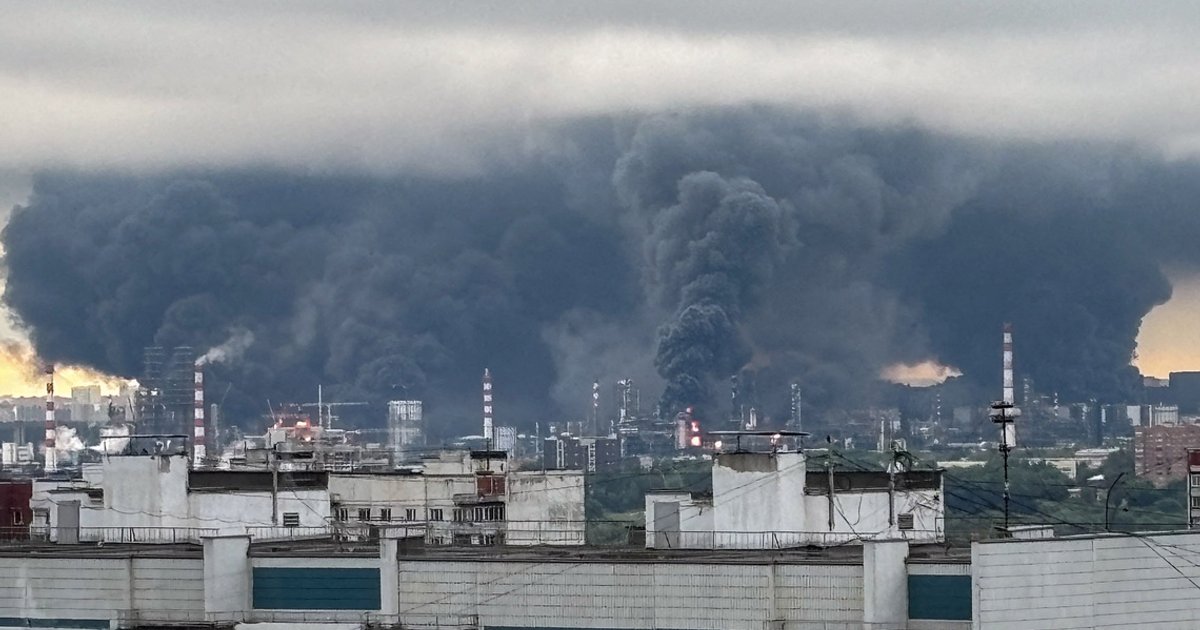
Photo via ndtv.com
Zelensky Offers to Stop Refinery Attacks If Russia Halts Energy Strikes
Ukraine's president conditions a halt to attacks on Russian oil refineries on Moscow ceasing strikes against Ukrainian power infrastructure.
What happened
Ukrainian President Volodymyr Zelensky said on October 11 that Ukraine would stop attacking Russian oil refineries if Russia ceases strikes against Ukrainian energy infrastructure. Zelensky emphasized that any de-escalation must be mutual and backed by real guarantees, stating that halting attacks on power networks is achievable immediately but asserting that Moscow remains unwilling to reciprocate. The statement came after the Trump administration threatened to halt weapons supplies and intelligence sharing if Ukraine continued its refinery campaign, which U.S. officials blamed for contributing to global diesel shortages.
Shortly after Zelensky's comments, President Trump announced on social media that Russia and Ukraine had agreed to an immediate "energy ceasefire," but provided no details and neither side confirmed a formal agreement. Zelensky told Axios the announcement was "news for me" and said Ukraine was awaiting details from Washington. He stated Ukraine would accept a ceasefire if Russia agreed, saying "We are ready, and we will accept it."
Zelensky's conditional offer directly challenged Trump's characterization of an agreed deal. Russian officials made no immediate confirmation of any agreement, and Ukrainian reports indicate Russian strikes on energy facilities in Kharkiv and Kyiv continued hours after Trump's announcement. This pattern echoed a similar Trump ceasefire announcement in September, which was not honored by either side.
Ukrainian strikes have disabled approximately 51% of Russia's oil refining capacity. The dispute reflects tension between Trump's push for lower diesel prices ahead of U.S. midterm elections and Ukraine's strategy of targeting Russian energy infrastructure to constrain Moscow's war economy. Trump separately announced on October 9 a controversial deal to ease U.S. sanctions on Russian diesel exports.
Chanakya's Move
Zelensky moved decisively to reframe Trump's unilateral ceasefire announcement as a conditional offer, positioning Ukraine as willing to de-escalate while placing the onus on Russia to reciprocate. This counters Trump's blame-shifting and preserves Ukraine's leverage: by offering to stop refineries if Russia stops energy attacks, Zelensky appeals to Trump's stated concern for fuel prices while making the mutual condition the crux of any deal. Trump's announcement without prior agreement appears designed to pressure both sides and claim diplomatic victory before U.S. elections, but his lack of detail and Russia's continued strikes undermine credibility. Russia's silence and follow-on attacks suggest Moscow sees no incentive to reciprocate. Zelensky's counter-move—accepting a ceasefire in principle but demanding Russian matching—forces Trump to either pressure Putin directly or admit no real deal exists, while keeping Ukraine's refinery campaign as a bargaining chip if negotiations collapse.