
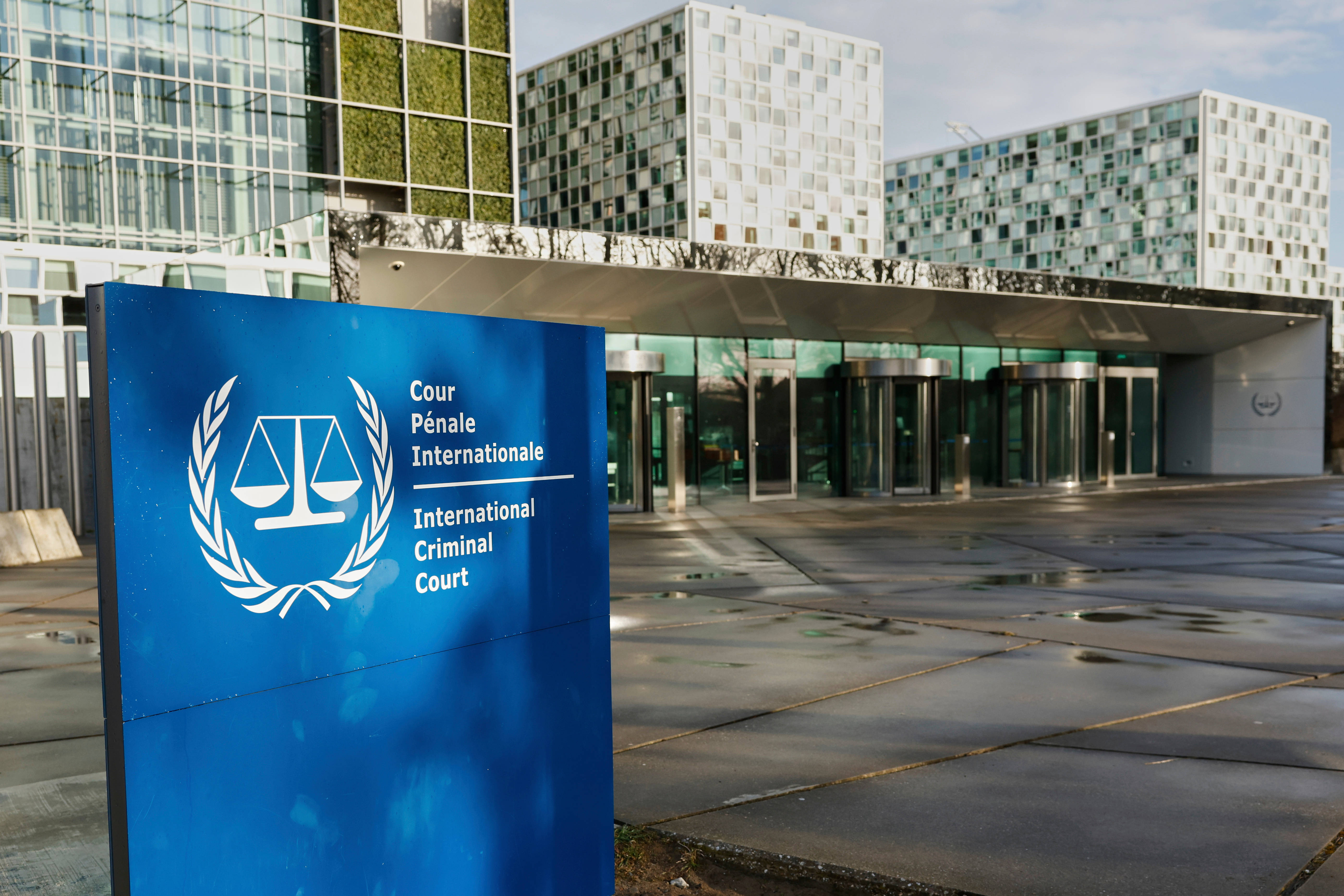
Photo via thehill.com
Trump Administration Imposes Full Sanctions on International Criminal Court
The US has sanctioned the entire ICC for the first time, aiming to cripple the tribunal's operations and shield American and Israeli officials from prosecution. The move has sparked swift international backlash and threatens to deepen fractures over global justice.
What happened
On October 9, 2026, Secretary of State Marco Rubio announced that the Trump administration has imposed comprehensive sanctions on the International Criminal Court itself—marking the first time the US has targeted the institution as a whole rather than individual officials. The sanctions add the ICC to the Treasury Department's Specially Designated Nationals list, effectively banning US transactions with the court and cutting off access to the American financial system. Rubio stated the action aims to prevent the ICC from prosecuting American citizens and called it necessary to protect US sovereignty. The announcement came hours after former ICC judge Navi Pillay received the Nobel Peace Prize for her work on international justice.
The ICC, led by President Tomoko Akane, swiftly rejected the sanctions as "an assault on the rule of law" and called them an attack on the international legal order and the victims of mass atrocities. The court vowed to continue its work investigating cases involving Afghanistan, Ukraine, Gaza, Sudan, and other conflict zones. Israeli Prime Minister Benjamin Netanyahu welcomed the US move, calling the ICC "a political body" that threatens democracies, though the court's arrest warrant for him remains in effect.
The EU described the sanctions as "deeply regrettable" and pledged to take "any necessary measures" to enable the court to continue operating, signaling it may invoke a legal blocking mechanism to shield European firms from complying with US penalties. UN Secretary-General António Guterres expressed alarm at the sanctions' impact on the ICC's ability to function. The Trump administration has built the action around a six-month delay before most sanctions take effect, framing it as an opportunity for member states to rein in the court.
The sanctions represent the latest escalation in a longstanding US campaign against the ICC, which neither the US nor Israel has joined. Previous Trump administrations have targeted individual ICC prosecutors and judges; this move targets the institution itself. The financial penalties could severely restrict the court's operations, from staff payments to investigation activities, depending on how widely the sanctions are enforced.
Chanakya's Move
Trump is betting that sustained financial pressure—reinforced by the threat of secondary sanctions on US allies—will either force the ICC to fold investigations into US and Israeli officials, or that the institution will weaken sufficiently that it becomes ineffective. The six-month delay is strategic: it signals a willingness to negotiate while the real leverage (asset freezes and transaction bans) takes hold. The timing, alongside Netanyahu's public approval, positions the move as defending sovereignty and protecting allies rather than obstructing justice. The counter-move is EU or sympathetic-state intervention: the blocking statute could shield the ICC from worst effects, but only if applied broadly and defended against US retaliation. Trump is also betting that allied governments, dependent on US military support, will not aggressively defend the court despite their public statements.