
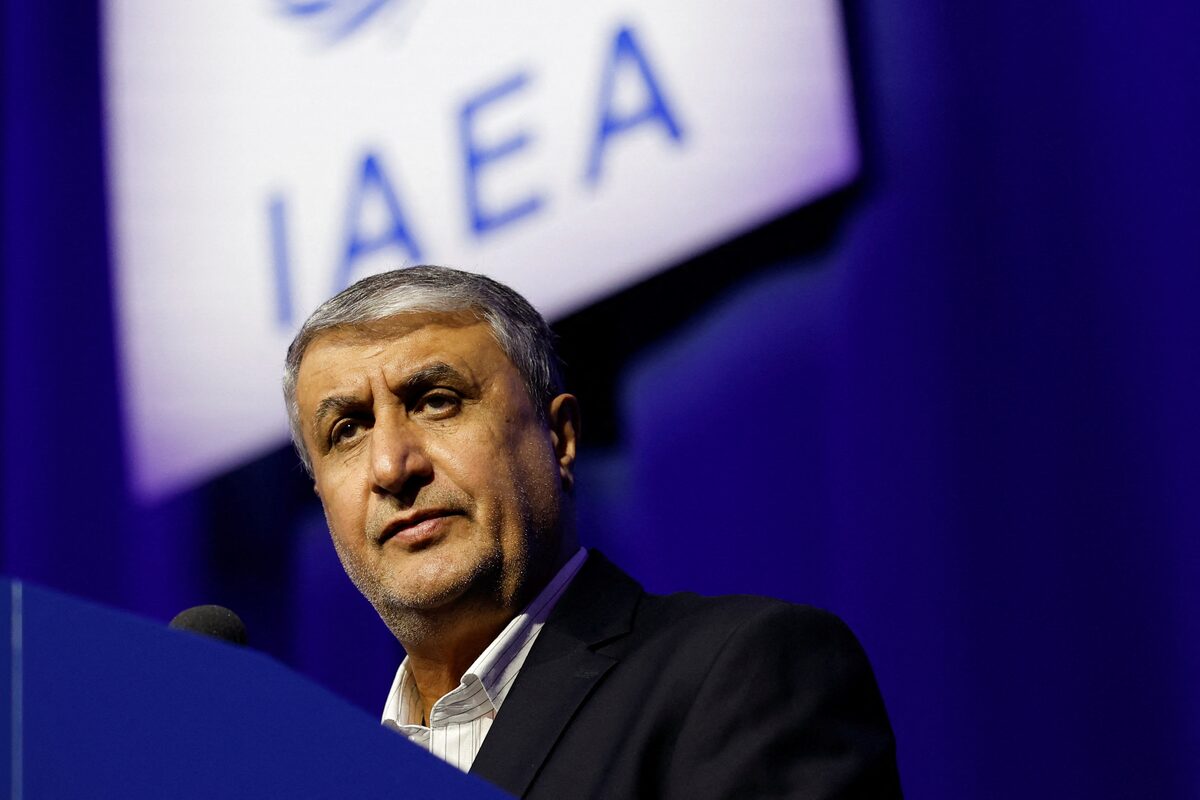
Photo via arabnews.com
Iran's Nuclear Chief Rejects US Demand to Cut Uranium Enrichment
Mohammad Eslami dismisses calls for meaningful reductions in enrichment capacity, asserting enrichment is fundamental to Iran's nuclear program as negotiations over ending the war stall.
What happened
Mohammad Eslami, head of Iran's Atomic Energy Organization, rejected renewed US calls to reduce uranium enrichment on Thursday, stating enrichment is 'an inseparable part' of the nuclear process and that Iran will not relinquish the right or hand over its uranium stockpile. Eslami dismissed concurrent US threats against Iranian nuclear facilities as 'nothing new.' His comments came days after Vice President JD Vance told Reuters that Iran must make 'meaningful' reductions in enrichment capacity as a condition for ending the seven-month conflict between the two countries.
The statement reflects a deepening divide in nuclear talks that had previously shown limited movement. Under the June 2026 memorandum of understanding between the US and Iran, the two sides agreed to discuss future enrichment levels with reference to 'Iran's nuclear needs,' leaving the issue deferred. That interim deal collapsed within weeks. Iran's Foreign Minister Abbas Araghchi has since proposed reopening the Strait of Hormuz within seven days if the US lifts its naval blockade, waives sanctions on oil sales, and observes a ceasefire including Lebanon—conditions Trump has rejected.
The enrichment question sits at the core of the impasse. The US has pressed Iran to abandon the capacity to rapidly produce weapons-grade fuel, citing Iran's stockpile of uranium enriched to 60 percent. Vance framed the demand in direct terms: 'If you don't want a nuclear weapon, then why do you need 60 percent enriched fuel?' The White House has not formally clarified whether it demands zero enrichment in a final deal or would accept reductions to unspecified lower levels. Iran insists enrichment is essential to its civilian nuclear industry and a sovereign right.
Official US and Iranian statements both describe enrichment as a non-negotiable principle: the Trump administration as a security line, Iran as a fundamental right. Eslami's Thursday remarks suggest no shift in Tehran's position, even as mediators from Pakistan and Qatar attempt to restart talks ahead of the November US midterm elections. The two countries remain far apart on both the mechanism for the Strait's reopening and the nuclear parameters needed to end the conflict.
Chanakya's Move
Iran's move is a calculated defense of its position ahead of potentially crucial negotiations. By restating enrichment as non-negotiable before concrete offers are on the table, Eslami signals to domestic constituencies (hard-liners, parliament) that Tehran will not capitulate to US pressure—a necessary stance for any Iranian negotiator to maintain credibility at home. The timing (hours after Vance's public comments) also tests whether the Trump administration is flexible or immovable on the issue. What Iran appears to be betting on is that Trump's desire to show a political win before the midterms, combined with mediators' pressure, could force the US to accept limits rather than elimination of enrichment. The counter-risk is that hardened rhetoric from both sides makes face-saving compromise harder: Iran cannot appear to abandon enrichment wholesale, and the US cannot appear to accept Iranian capacity to threaten neighbors. The move also buys time—Eslami's restatement of principle keeps the door open to later negotiations on 'meaningful' reductions without conceding ground now.