
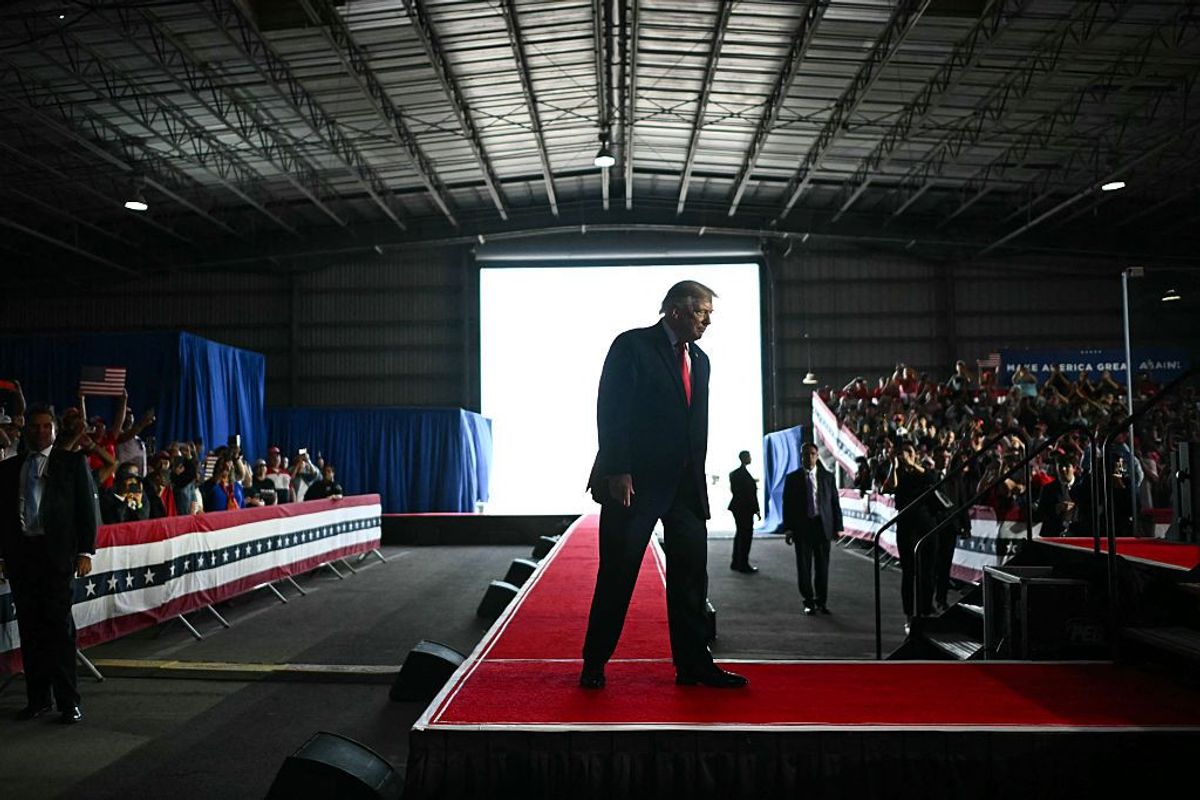
Photo via nytimes.com
Trump Weighs Lifting Sanctions on Russia's Investment Fund
The move would reverse Biden-era pressure on a sovereign wealth fund long described as Putin's 'slush fund,' signaling continued willingness to offer economic incentives for peace talks.
What happened
The Trump administration is considering lifting sanctions on the Russian Direct Investment Fund (RDIF), a multibillion-dollar sovereign wealth fund headed by Kremlin envoy Kirill Dmitriev, according to reporting from the New York Times on October 27. The U.S. Treasury Department is reviewing the fund's application for sanctions relief under standard procedures. Russia has been pushing for the move as part of broader negotiations over RDIF's role in supplying Russian diesel fuel to the United States, a deal Trump announced in October.
An unnamed U.S. official confirmed the review is part of efforts to "improve US-Russia relations and help end the war" in Ukraine, and described Dmitriev as a "helpful envoy" in negotiations. The Biden administration imposed sanctions on RDIF four days after Russia's full-scale invasion of Ukraine in February 2022, describing it as a "slush fund" for President Putin and emblematic of Russian kleptocracy. Lifting the sanctions would represent a significant reversal of years of U.S. economic pressure designed to constrain Russia's access to Western financial systems. For RDIF to be removed from the sanctions list, it must demonstrate that the reasons for its original designation no longer apply.
Chanakya's Move
This is Trump's move in a long game of concessions designed to pull Russia to the negotiation table and secure a Ukraine peace deal that he can claim as a victory before midterm elections. By offering economic incentives—diesel exemptions, RDIF sanctions relief—without requiring a deal first, Trump is betting he can convince Putin that cooperation is more profitable than continued military escalation. The gamble: that Putin will accept a settlement rather than press military advantage. The risk: that he is telegraphing to Moscow that sanctions relief is available on demand, weakening the threat value of U.S. pressure and emboldening Russian negotiators to demand more concessions.