
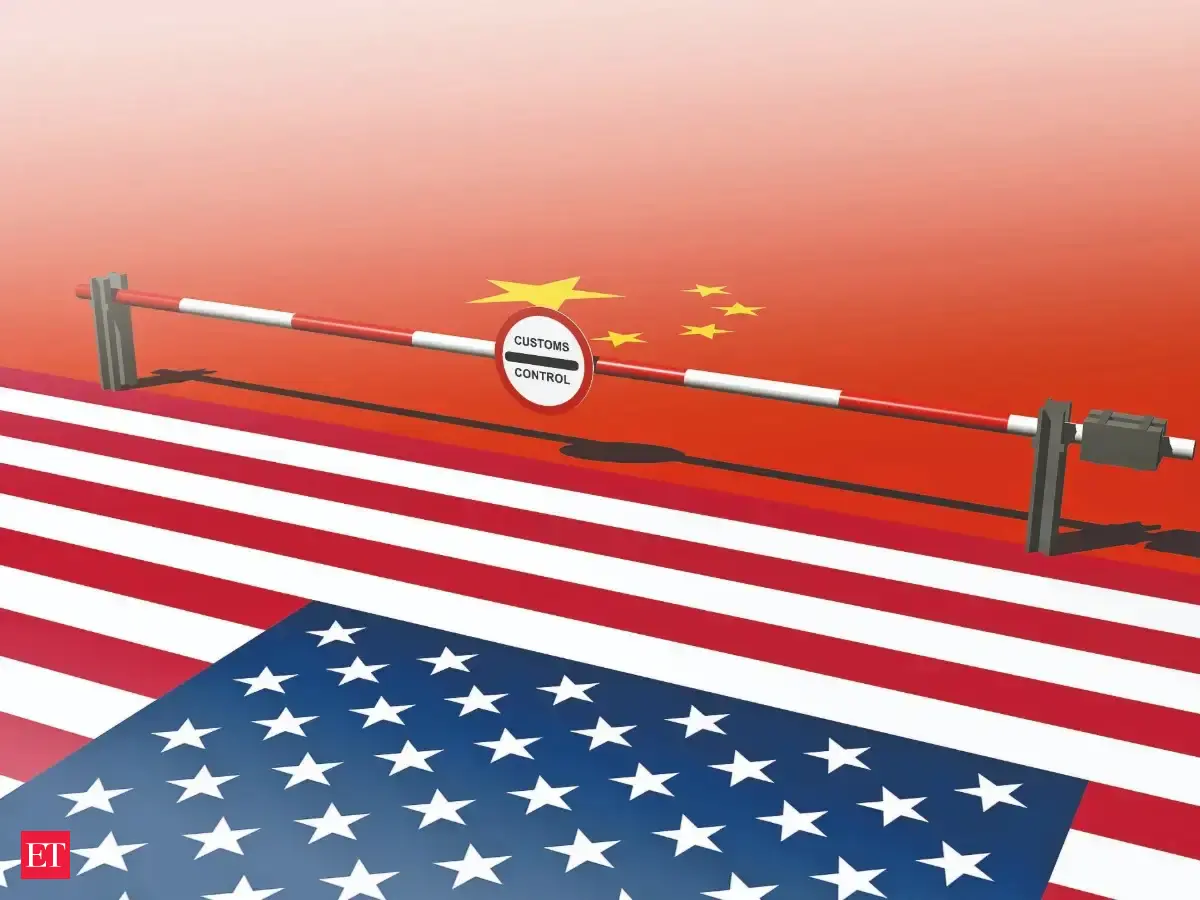
Photo via thehill.com
US expands tech investment curbs; China threatens countermeasures
Treasury proposed restrictions on biotech, AI, and advanced computing investments in China on Thursday; Beijing called the move discriminatory and damaging to their recent summit agreement.
What happened
The U.S. Treasury Department on Thursday proposed expanding its Outbound Investment Security Program to restrict American capital flows into sensitive Chinese technology sectors. The new restrictions would cover biotechnology, hypersonic systems, high-performance computing, and supercomputing—adding to existing prohibitions on semiconductors, quantum information technologies, and artificial intelligence. The proposal implements the Comprehensive Outbound Investment National Security (COINS) Act, which Congress passed in December 2025. Transactions exceeding $50,000 would be subject to screening or prohibition, with exceptions for publicly traded securities and certain fund investments.
China's commerce ministry responded Saturday by urging the U.S. to abandon the proposed rule, characterizing it as "discriminatory" and "overstretching" the concept of national security. Beijing argued the expansion violates consensus reached by Presidents Trump and Xi during their September summit in Washington, where the two sides extended a trade truce through January and agreed to pursue tariff relief on roughly $30 billion in goods each direction. The ministry said the expansion would damage bilateral economic ties and reserved the right to take unspecified countermeasures. Treasury says the program aims to prevent U.S. capital from supporting foreign adversaries' development of dual-use technologies with military, surveillance, or intelligence applications, and notes the restrictions extend beyond China to include Russia, Iran, North Korea, and Cuba. The proposed rule is open for public comment until December 7, 2026, before Treasury issues a final rule.
Chanakya's Move
The Trump administration's move is a strategic hedge: it codifies and expands restrictions that Congress mandated (the COINS Act) while maintaining plausible distance from the diplomatic messaging the administration has cultivated with Beijing since the September summit. By timing the proposal as a notice-of-proposed-rulemaking with a December 7 comment deadline, Treasury buys months before final implementation, signaling national security orthodoxy to Congress and allies while leaving room for backchannels with China during the comment period. Beijing's predictable opposition and vague threat of countermeasures puts China in a reactive crouch—they cannot block a U.S. statutory mandate, and unspecified retaliation risks escalating the very trade tensions the September truce was designed to pause. The risk is asymmetric: if China retaliates in response to biotech restrictions, the administration can blame Beijing for breaking the summit consensus. If China holds fire and engages comments, the final rule may narrow (as regulatory processes often do) but will likely proceed, entrenching tech decoupling into statute rather than executive order.