
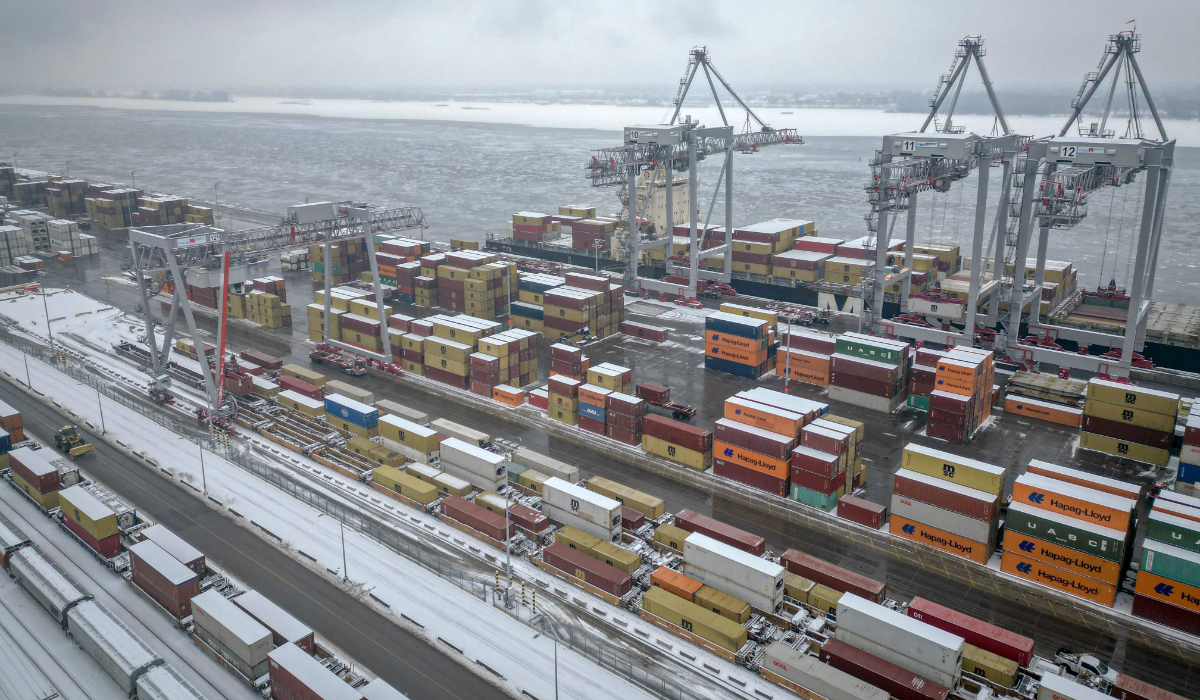
Photo via arabnews.com
Trump exempts Maine farm goods from Canada tariffs before midterms
Senator Susan Collins secures carve-outs for agricultural equipment and packaging with 11 days left before elections, though new tariffs replace the removed ones.
What happened
President Trump on Friday signed a proclamation exempting 22 categories of Canadian products from the 50% tariffs imposed in August, responding to direct pressure from Republican Senator Susan Collins of Maine, who faces a competitive re-election battle. The exemptions cover products critical to Maine agriculture: corrugated boxes and crates, refrigeration equipment, agricultural machinery, seaweed, and plywood sheets. The changes take effect October 30.
Collins announced the move as a personal political achievement, saying she had repeatedly pressed Trump administration trade officials including U.S. Trade Representative Jamieson Greer and Commerce Secretary Howard Lutnick to ease the financial burden on Maine farmers and growers. The timing advantages Collins politically: the announcement comes 11 days before the November 3 midterm election, in which control of the Senate and House is contested. Maine is among the most affected states because it borders Canada and depends on cross-border supply chains; Michigan and New Hampshire face similar pressures.
However, the White House simultaneously added 100 new products to the tariff list, including shampoo, vinyl flooring, carpets, and window-unit air conditioners. Democratic challenger Troy Jackson criticized the move as selective and politically motivated, accusing Collins of enabling Trump's broader tariff agenda.
Chanakya's Move
Trump's move is a tactical exemption designed to rescue Collins politically without dismantling his tariff regime. By removing tariffs on products visibly important to a swing-state Republican senator 11 days before elections, Trump signals responsiveness to party pressure while maintaining his trade posture by simultaneously adding 100 new products to the list. The strategy preserves tariff pain (and its political messaging to Trump's base about toughness on trade) while providing individual senators with exemptions to tout to their constituents. This could become a template: Republican lawmakers in affected states can claim influence over Trump while avoiding a wholesale trade retreat. The counter-move available to Democrats is to highlight that the exemptions are politically timed and that the addition of new tariffs cancels any real relief.