
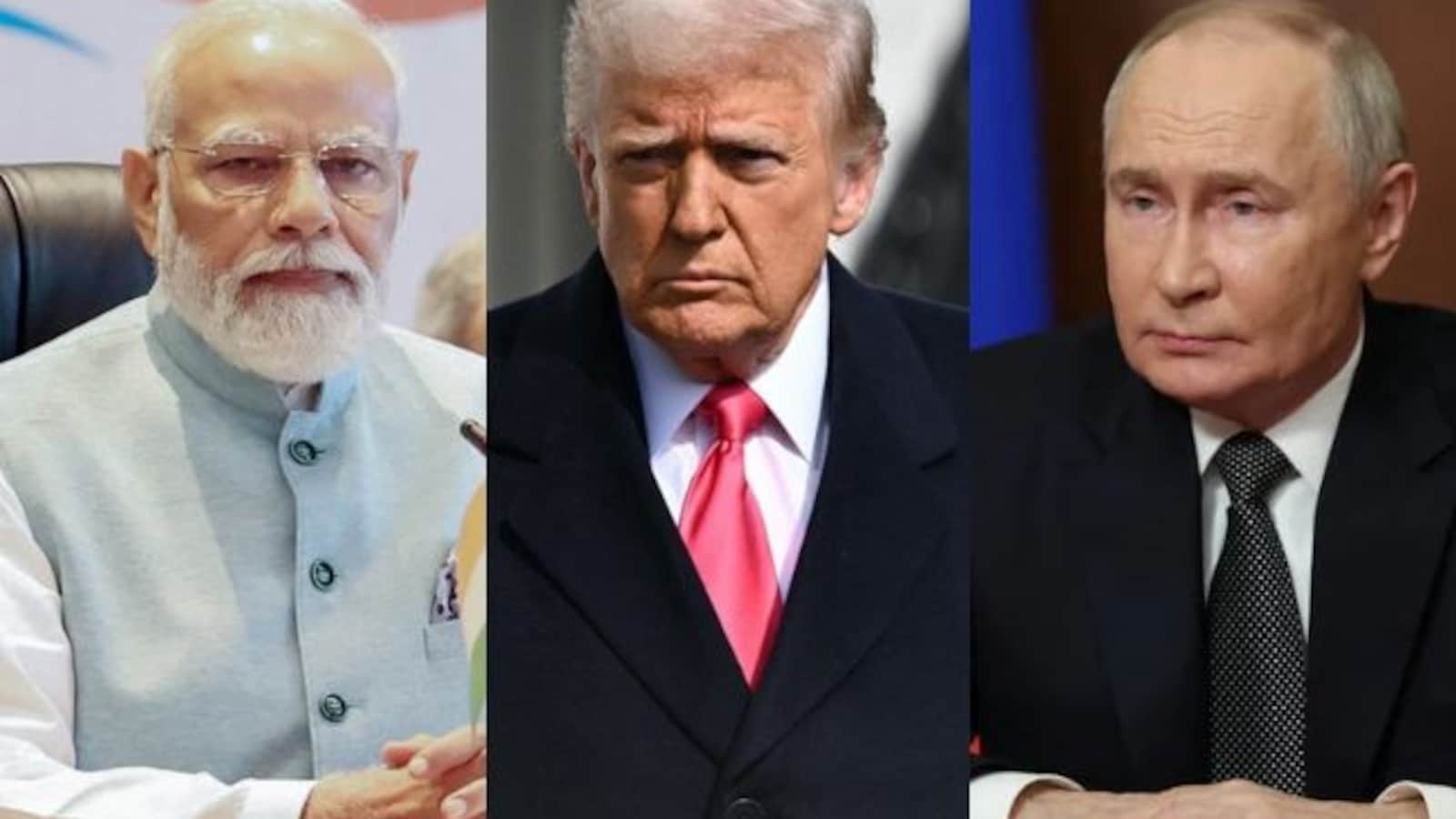
Photo via ndtv.com
Trump Waives Russia Tariffs Day Before Deadline
The president suspended up to 100% duties on top oil importers including India and China, citing national interest under a law he signed last month.
What happened
President Trump issued an executive order waiving sweeping Russia-related sanctions and tariffs just one day before they were scheduled to take effect. The Lindsey O. Graham Sanctioning Russia and Iran Act of 2026, which Trump signed into law on September 18, would have imposed duties of up to 100% on goods from the five largest importers of Russian crude oil and natural gas—China, India, Slovakia, Hungary, and Azerbaijan. Trump invoked Section 115 of the Graham Act, which allows the president to waive sanctions if he certifies to Congress that doing so serves U.S. national interests.
In his executive order released Friday evening, Trump stated he had submitted the required certification and supporting report to Congress. The suspension leaves earlier Russia sanctions imposed under other executive orders in place while pausing implementation of the Graham Act's specific tariff provisions. Trump retained authority to reinstate the measures at a later date.
The move came roughly one week after Trump announced a diesel supply agreement with Putin, whereby Russia committed to exporting hundreds of thousands of tons of diesel to global markets in exchange for temporary sanctions relief on Russian energy transactions. That deal drew immediate condemnation from Ukrainian President Volodymyr Zelensky, who called it a 'weak decision' that would prolong the war. A bipartisan group of twelve senators subsequently urged Trump to rescind the diesel agreement, arguing it contradicted Congress's intent to pressure Russia over its invasion of Ukraine.
Chanakya's Move
Trump's play is a calculated bet on energy prices and grand strategy. By waiving tariffs that would have hit India and China—two countries that account for roughly 70% of Russia's international energy business—he removes a key pressure point on Moscow while using the Graham Act's presidential waiver authority to sidestep Congress. The timing reveals the logic: announce a diesel deal with Putin (October 9), let Congress and allies react, then waive the tariffs one day before deadline (October 17), framing it as national interest. This allows Trump to claim he addressed fuel prices (a midterm vulnerability) while repositioning toward direct negotiation with Russia rather than economic strangulation. The move abandons the bipartisan architecture Lindsey Graham built for Ukraine support and signals Russia can expect negotiating space rather than escalating costs. Congress's recourse is limited—the law explicitly permits this waiver—but the maneuver has already fractured GOP unity, with a dozen senators calling for rescission of the diesel deal. Putin gains breathing room on energy exports and implicit recognition that U.S. sanctions leverage will be episodic rather than sustained. What could counter this: Ukraine or European allies could escalate attacks on Russian refining capacity to offset any diesel relief, or Congress could move to restrict presidential waiver authority in future legislation. Markets could also call Trump's bluff on diesel prices—if Russian supplies fail to materialize at promised volumes, the political cost of this reversal will mount.