
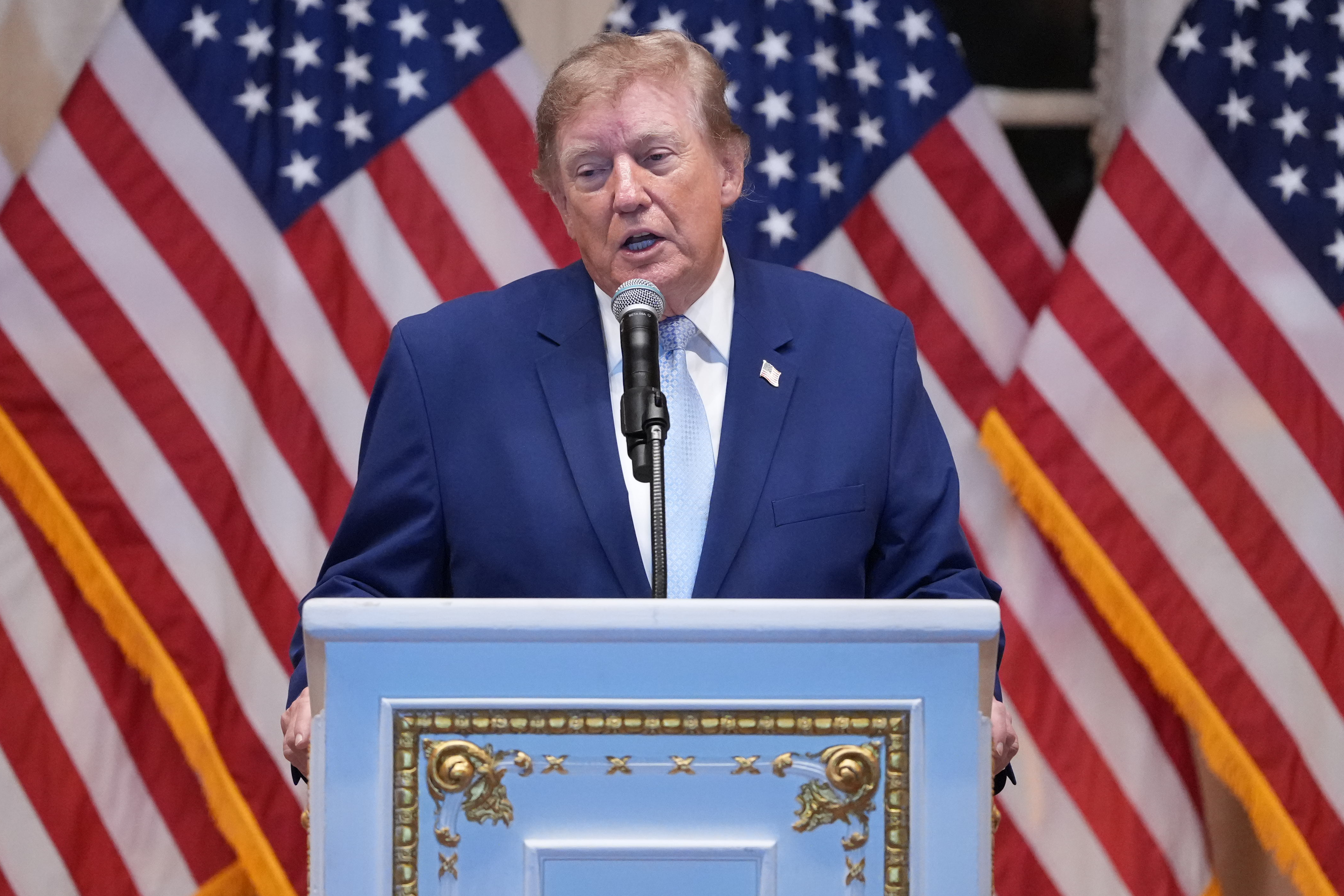
Photo via arabnews.com
Trump waives Graham Act Russia sanctions hours before deadline
President cites national interest in suspending energy tariffs tied to diesel deal with Putin, drawing bipartisan congressional backlash.
What happened
President Donald Trump signed an executive order on October 16 waiving sanctions and tariffs under the Lindsey O. Graham Sanctioning Russia and Iran Act of 2026, just two days before they were set to take effect on October 18. The action suspends duties of up to 100% on goods from the world's largest buyers of Russian oil and gas—China, India, Slovakia, Hungary, and Azerbaijan—as well as sanctions targeting Russian financial institutions and energy infrastructure.
Trump invoked "national interest" in his certification to Congress, citing the need to lower fuel prices amid the U.S. war in Iran. The waiver comes one week after he announced a diesel supply deal with Russian President Vladimir Putin, committing Moscow to release millions of tons of fuel to global markets. The order does not eliminate the tariffs permanently; it suspends them, preserving Trump's authority to reinstate them later.
The move prompted swift bipartisan condemnation in Congress. A group of Republican and Democratic senators, including Mitch McConnell, Lisa Murkowski, and Thom Tillis, called the waiver a betrayal of Ukraine and demanded Trump rescind the Putin deal and enforce the Graham Act. Ukrainian President Volodymyr Zelenskyy warned that the sanctions relief would embolden Russian aggression and predicted it would lead to further relief on other Russian sanctions.
The Graham Act, signed into law in mid-September and named after the late Senator Lindsey Graham, represented one of the most significant Ukraine-focused sanctions packages to reach Trump's desk since his return to the White House. The legislation was designed to pressure Russia to end its invasion of Ukraine by targeting energy revenues and key allies of the Russian government. Critics noted the contradiction between the law's intent and Trump's swift suspension of its core mechanisms.
Chanakya's Move
Trump is betting that near-term political gains from lower fuel prices before the November midterms justify accepting Russian compliance with his diesel deal over congressional pressure to enforce maximum economic pressure on Moscow. His move effectively trades Ukraine's negotiating leverage for domestic fuel-price relief. The waiver preserves his legal option to reimpose tariffs if Russia fails to deliver promised volumes or if negotiations collapse, giving him a reversible escape route. Congressional Republicans who backed the Graham Act now face a choice: accept that Trump's waiver authority trumps their legislative intent, or attempt procedural countermeasures (unlikely to succeed). Putin's calculus: Trump has removed a major threat while publicly criticizing Ukraine's leadership—signaling Moscow that further sanctions relief is negotiable if Trump-Putin talks progress. The risk to Trump: if Russian diesel supplies fail to materialize or prices don't fall, the waiver becomes politically indefensible and congressional opposition could crystallize around alternative leverage points.