
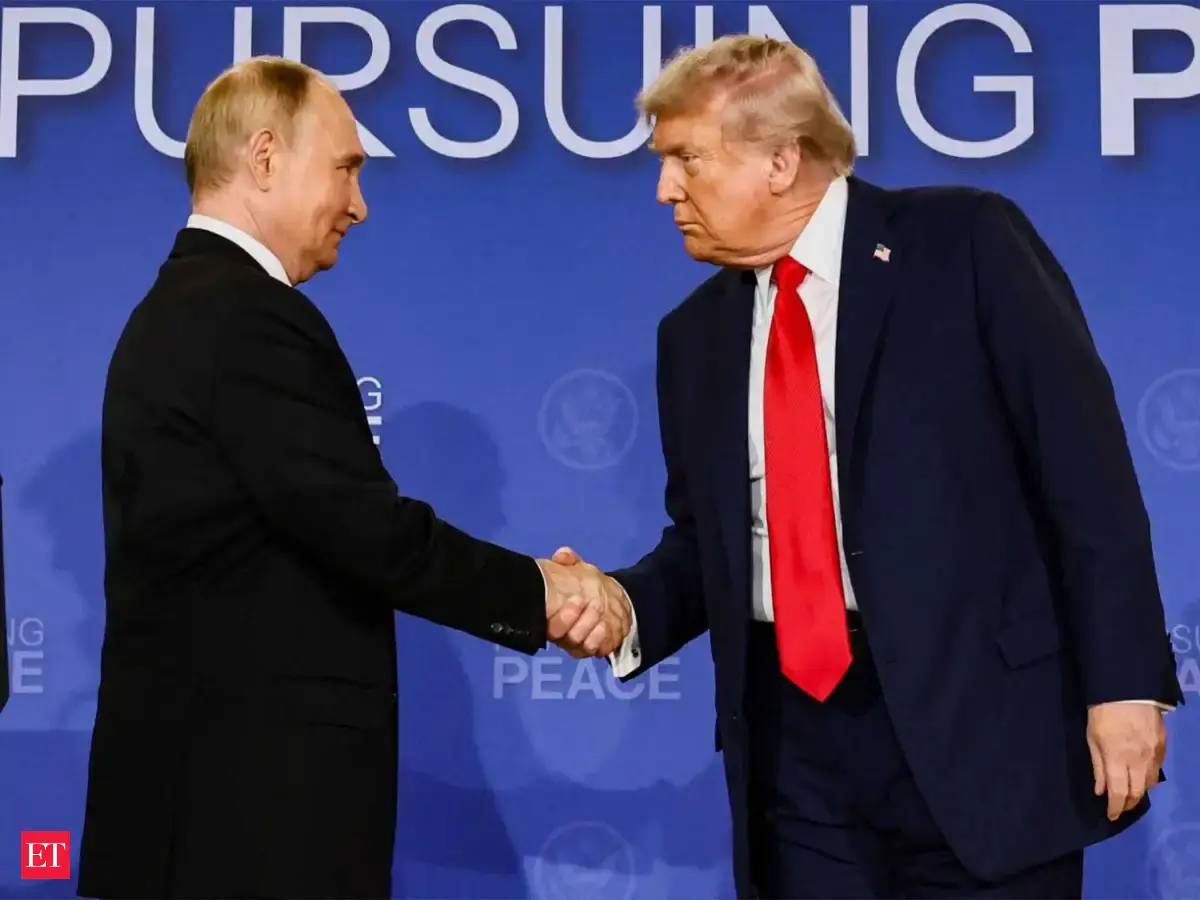
Photo via economictimes.indiatimes.com
Trump Lifts Russia Sanctions on Diesel, Securing Deal for 4+ Million Tons
President announces agreement with Putin to release diesel to global markets, issuing temporary license through April 2027. Move reverses months of sanctions pressure and draws immediate rebuke from Zelensky.
What happened
President Donald Trump said Friday he secured a deal with Russian President Vladimir Putin to supply more than 4 million tons of diesel to global markets in an effort to ease record fuel prices ahead of the November midterm elections. Trump announced Russia would immediately supply 300,000 tons, followed by 500,000 tons in November, 1 million tons shortly thereafter, and an additional 3 million tons depending on the condition of Russian refineries. The Treasury Department simultaneously issued a temporary general license allowing Russian diesel transactions through April 7, 2027, temporarily waiving U.S. sanctions on Russian energy exports.
The announcement marks a reversal of Trump's own sweeping sanctions law signed last month, which aimed at restricting Russia's energy revenues fueling its war in Ukraine. Diesel prices have spiked to near-record levels—at $6.23 per gallon—driven by Ukrainian attacks on Russian refineries and disruptions in the Middle East. Trump framed the deal as critical for American farmers, ranchers, and truckers facing soaring fuel costs.
Chanakya's Move
Trump moved to unlock Russian diesel supply as political insurance against midterm-cycle fuel prices, betting that supply relief outweighs the cost of undercutting his own sanctions regime and Ukrainian war leverage. The play reveals how domestic cost-of-living politics override prior sanctions architecture in Trump's calculus: he signed sweeping Russia sanctions last month but abandoned them weeks later when fuel prices remained elevated. Putin accepted the deal—likely understanding it buys time by signaling U.S. willingness to negotiate energy rather than maximize Ukraine's military advantage. The counter-move available to the West: Congressional Democrats and allies could argue the deal funds Russian war capacity, pressuring Trump to justify it before midterms. Ukraine's card: Zelensky framed the deal as betrayal and smokescreen, positioning himself as the victim of U.S. weakness to preserve Western support and complicate Trump's claim of successful Russia management.