
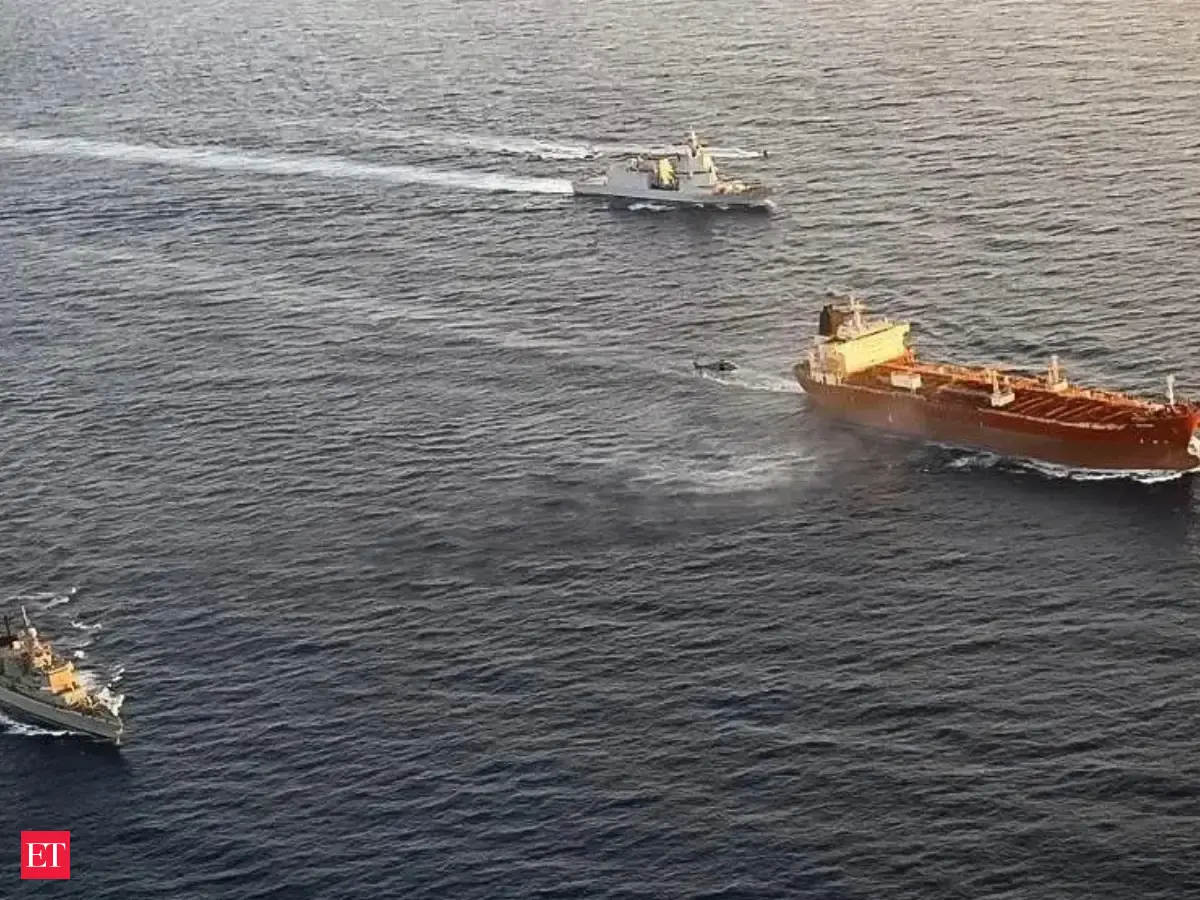
Photo via economictimes.indiatimes.com
Russia ships first diesel tanker to US under Trump deal
A 40,000-tonne vessel is set to depart October 22 as part of a sanctions waiver authorizing Russian fuel exports through April 2027.
What happened
Russia will send its first tanker carrying 40,000 metric tons of diesel to the United States on October 22, following a Trump-Putin agreement announced on October 9. Deputy Prime Minister Alexander Novak confirmed the shipment on October 21, stating additional tankers will follow. The US Treasury Department issued a temporary general license on October 9 suspending sanctions on Russian diesel deliveries until April 2027, a reversal of years of Western restrictions on Russian energy exports. US special envoy Steve Witkoff, meeting Putin in St. Petersburg, thanked the Russian president for lifting export restrictions.
The 40,000-tonne shipment represents approximately 300,000 barrels—enough to cover less than two hours of US diesel consumption, which stands at roughly 4 million barrels per day. Despite Trump's stated goal of lowering record-high fuel prices ahead of November midterm elections, analysts widely doubt the agreement will significantly impact global or domestic prices. Energy experts estimate the initial 300,000-tonne commitment covers only 10 days of US demand or roughly one day of global demand.
The agreement marks a dramatic policy reversal. Trump signed sweeping Russia sanctions legislation last month targeting energy revenues fueling Moscow's war in Ukraine. His decision to waive those sanctions drew immediate condemnation from Ukrainian President Volodymyr Zelenskyy and bipartisan criticism in Congress, with lawmakers arguing the deal provides a financial lifeline to Russia while undercutting Western pressure.
Russia has faced its own refining constraints following sustained Ukrainian drone strikes on oil facilities. The country lifted a self-imposed ban on diesel exports on October 10 to participate in the Trump deal, with Russian officials claiming they could reach 3-3.5 million tonnes per month by year-end depending on refinery recovery.
Chanakya's Move
Trump has bet that a visible move toward Moscow—framed as energy pragmatism—will lower prices before midterms and signal openness to negotiations on Ukraine, hoping to pressure Zelenskyy. The strategy sacrifices Western sanctions unity and Ukraine's asymmetric advantage (drone strikes on Russian refineries) for a limited supply injection unlikely to move the needle on pump prices. Putin gains legitimacy, revenue, and Western acquiescence without conceding anything. The counter-move available to Congress is direct sanction legislation targeting buyers of Russian fuel, but bipartisan critics lack the votes to override Trump.