
Photo via economictimes.indiatimes.com
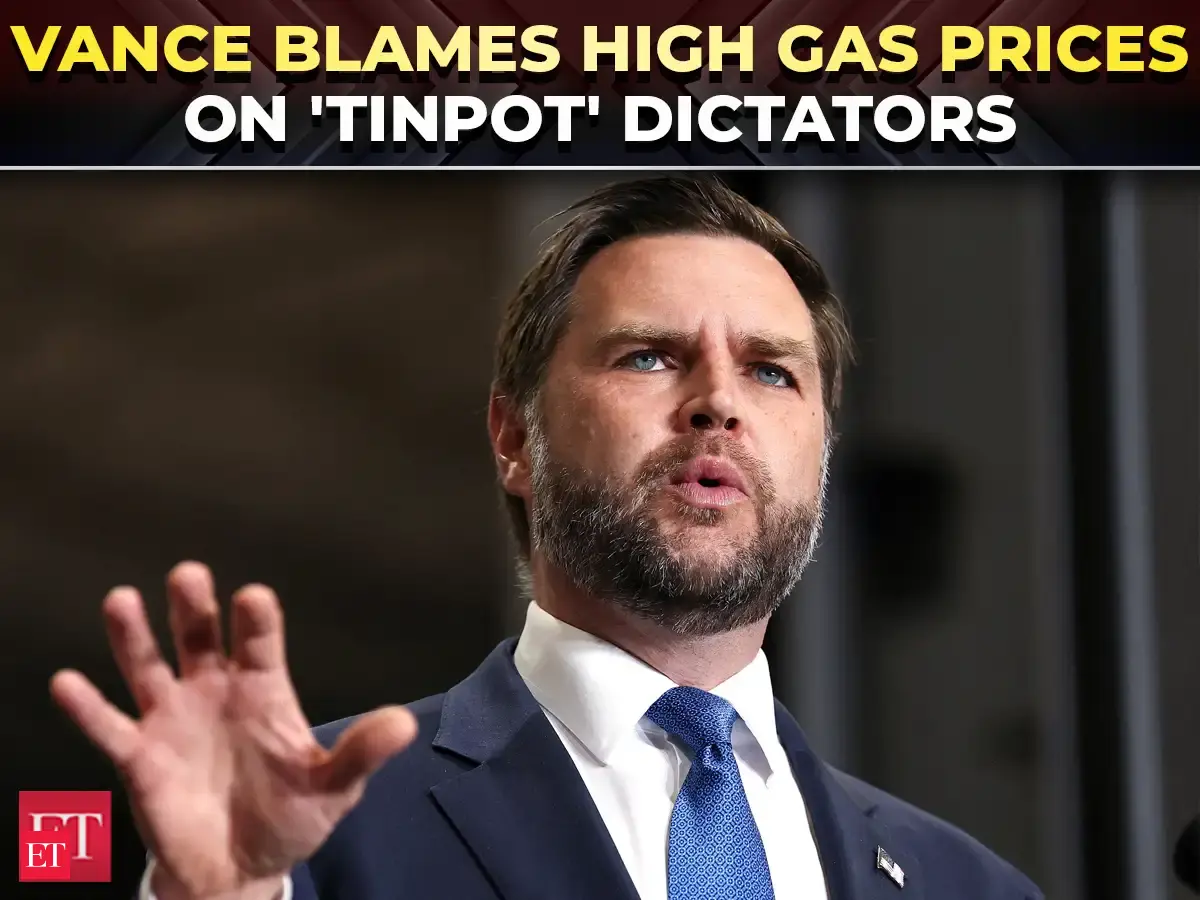
Vance blames 'dictators' for gas surge even as Iran war profits Trump
VP's campaign pitch about energy costs backfires as European prices hit 4-year highs and Trump's oil holdings nearly double since the conflict began.
What happened
Vice President JD Vance sought to defend the administration's energy record by blaming rising gas prices on foreign dictators who 'throw tantrums,' invoking Russia's 2022 invasion of Ukraine at a Montana rally on October 26. But the argument quickly unraveled, with critics noting that the U.S. war with Iran—initiated by President Trump in February 2026—has driven prices even higher and demonstrably benefited Trump's own financial interests. National gasoline prices have climbed from $2.98 a gallon before the Iran conflict to $4.29 by late October, with American households spending an additional $101 billion on fuel.
Congressional Democrats reported Monday that Trump's disclosed oil and gas stock holdings have increased in value by as much as $35.8 million since the war began, with holdings now worth between $22.5 million and $81.6 million. Vance later retooled his message in Kansas, specifically blaming 'tin-pot dictators in the Middle East' after the original framing drew comparisons to Trump himself. Meanwhile, European natural gas prices have surged to their highest level in four years as the Iran conflict disrupts liquefied natural gas shipments from Qatar and other suppliers.
EU storage sites stood at only 74.62 percent capacity as of October 25, well below seasonal averages ahead of winter. The White House maintains that independent financial institutions manage Trump's portfolio without his direction and that his priority remains lowering prices for American families. On a separate track, U.S. First Lady Melania Trump secured a localized ceasefire in the Russian-occupied Ukrainian city of Oleshky that took effect October 27, allowing humanitarian aid deliveries and civilian evacuations from a town of 1,700 to 2,000 people facing dire shortages of food, medicine, and electricity.
Chanakya's Move
The administration faces a classic strategic bind: it cannot simultaneously take credit for high oil profits fueling domestic energy sectors and deny responsibility for high consumer prices. Vance's remarks were an attempt to externalize blame (dictators cause price spikes; we inherit the problem). But in a campaign environment where Trump's Iran war is widely unpopular and has visibly enriched Trump personally, the externalizing argument collapses. The counter-move available to Trump: double down on the conflict's stated objective (neutralizing Iran's nuclear threat) and frame price pain as a necessary cost of national security—a direct appeal to voters willing to sacrifice. Melania's humanitarian ceasefire, meanwhile, offers a diplomatic off-ramp narrative: the administration cares about suffering civilians and works for peace, even in localized gestures. This could soften Trump's image as bellicose, though it does not resolve the underlying political problem that the war itself remains unpopular.