
Photo via hindustantimes.com
Ukraine Sinks Russian Corvette with Naval Drones off Libya
Attack 1,500 miles from front line shows Ukraine's expanding reach against Russian logistics and complicates Moscow's hold on North African ports.
What happened
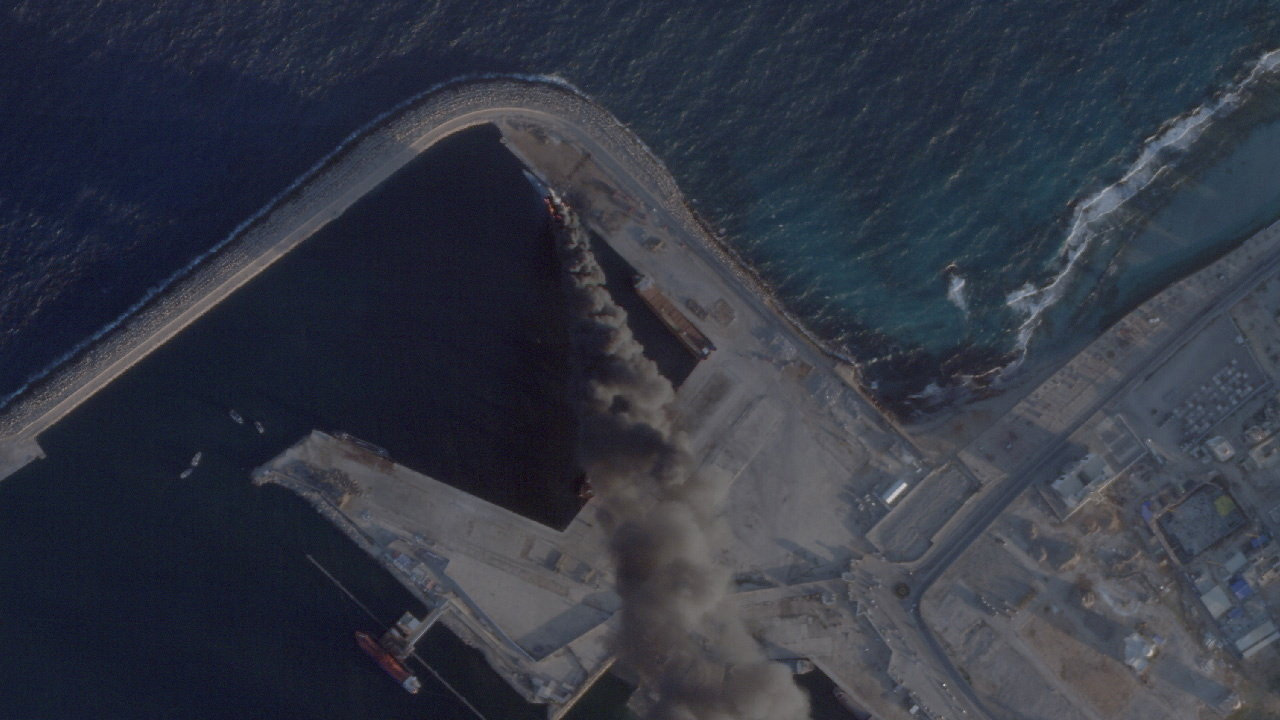
Ukraine claimed responsibility Monday for sinking the Russian corvette Merkury at Benghazi naval base in eastern Libya on Sunday, using seven domestically made naval drones delivered and launched from a mothership. The operation also struck the sanctioned cargo ship MV Angara, which Ukraine said Russia used to transport weapons. President Zelenskyy called it an "exemplary Ukrainian operation."
The Merkury, commissioned in 2023, was attempting to refuel and resupply at the base when attacked. Satellite imagery showed the vessel capsized following the strike. Ukraine's Security Service (SBU) said Russian air, sea, and land defenses attempted to intercept the drones but failed. One person was killed and multiple others injured in the attack.
The strike marks a significant expansion of Ukraine's campaign beyond the Black Sea. It occurred roughly 1,500 miles from the front line and 2,400 kilometers from Ukraine itself, demonstrating how Ukrainian drones have reached the Mediterranean. This follows a suspected Ukrainian attack on the Russian cargo ship Sparta II in the Gulf of Finland on Saturday.
Russia uses eastern Libya—controlled by Khalifa Haftar and backed by Moscow—as a critical staging post for Mediterranean operations and a gateway to Africa and the Sahel. The Merkury regularly escorted Russian military logistics convoys in the region. Ukraine has previously operated from western Libyan bases, reportedly targeting Russian vessels in the Mediterranean since at least March 2026. The attack directly threatens Russian logistics networks that bypass Western sanctions.
Chanakya's Move
Ukraine is executing a long-range sanctions enforcement strategy by targeting Russia's overseas logistics and military assets where they are most exposed. The Merkury strike achieves multiple objectives: it damages Russia's Mediterranean naval capability, threatens the sanctioned cargo network Russia relies on to bypass Western restrictions, and signals to Russia's partners in Libya that hosting Russian forces entails risk. Ukraine is betting that sustained attacks on extended supply lines will eventually force Russia to either collapse its overseas logistics or accept permanent financial and military costs to defend them. The counter-move available to Russia is to consolidate its Libya presence around more defensible positions, reduce forward operations, or retaliate against Ukrainian assets abroad—but each option weakens Russia's broader Mediterranean ambitions relative to NATO.