
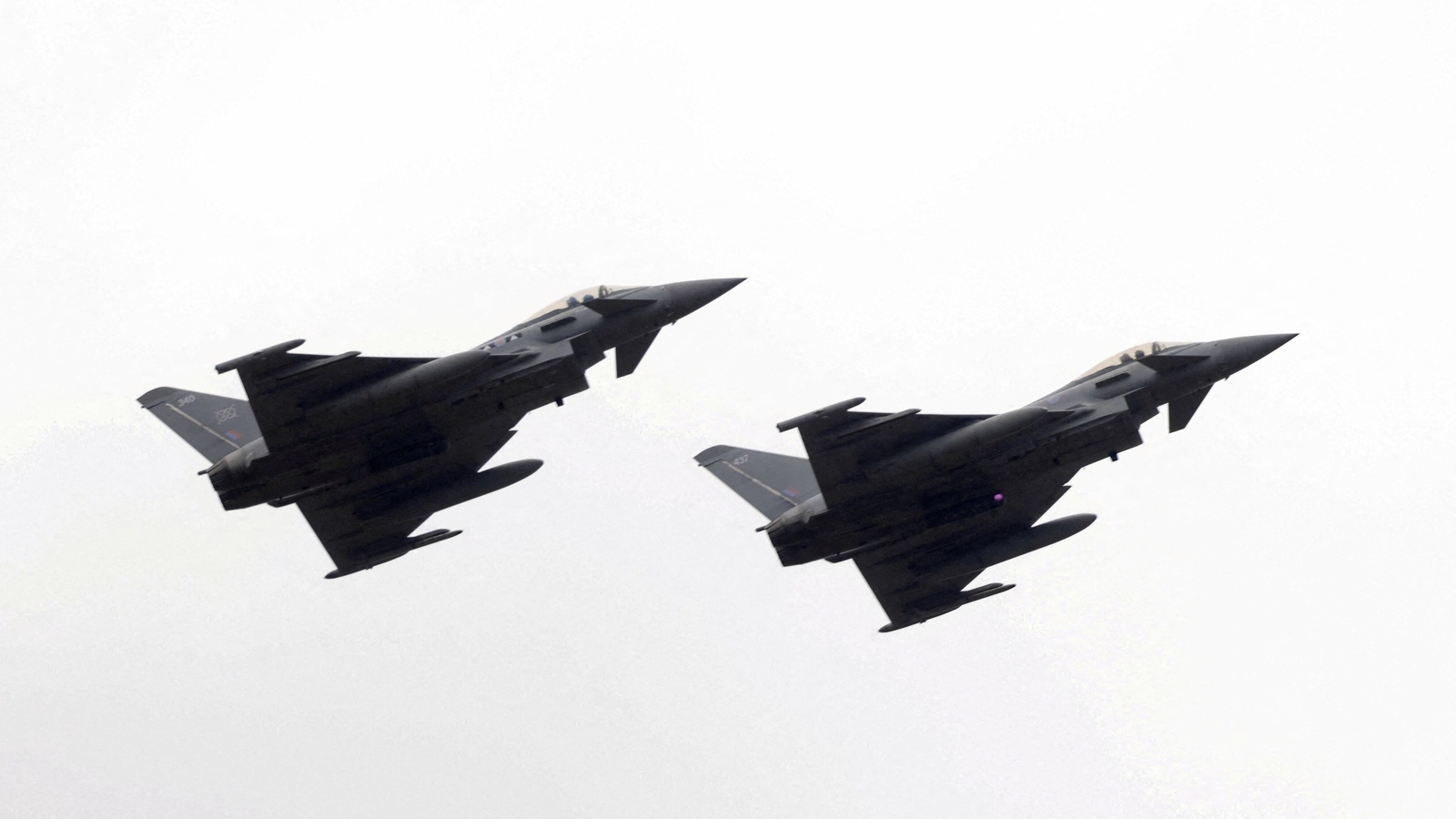
Photo via hindustantimes.com
South Korea scrambles jets as Russian aircraft enter defense zone
Multiple Russian warplanes flew into Seoul's air defense identification zone near Ulleung Island, triggering a brief civilian alert and diplomatic protest.
What happened
Several Russian military aircraft entered South Korea's air defense identification zone (KADIZ) over the East Sea on November 24, prompting Seoul's military to scramble fighter jets and briefly order residents on Ulleung Island to seek shelter. South Korea's Joint Chiefs of Staff clarified that the aircraft did not violate the country's territorial airspace, only entering the buffer zone where Seoul requires foreign aircraft to identify themselves.
The incident created temporary confusion: local authorities initially issued an alert identifying the aircraft as suspected North Korean, causing news outlets to report the potentially serious escalation. Within 40 minutes, provincial authorities corrected the error, clarifying the aircraft were Russian. The shelter-in-place alert lasted from approximately 7:52 a.m. to 7:55 a.m.
South Korea's Defense Ministry said it would summon Russia's military attaché to protest the flights. This marks the second such Russian incursion into the KADIZ in a week, following a November 17 incident over the same waters. Moscow does not recognize Seoul's unilaterally-established defense zone and has previously said South Korea's requirement for advance notice of flights imposes no binding obligation on Russian military operations.
The incident is part of a broader pattern: on November 17, Taiwan detected two Russian aircraft in its air defense identification zone, while Japan protested after two suspected Russian aircraft briefly violated its airspace near Kyushu. All three regional allies lodged complaints ahead of diplomatic engagements, raising concerns about Russian military posturing in Northeast Asia.
Chanakya's Move
Russia's move here is a low-cost probe of regional boundaries with triple benefit: it gathers intelligence on South Korean, Japanese, and Taiwanese air defense responses; it signals Moscow's refusal to treat Seoul's unilaterally-declared KADIZ as binding; and it arrives during a period when China-Russia military coordination is visibly increasing in the region. Moscow rejects the legitimacy of these zones outright, so each incursion is an assertion of that position. South Korea has few counterplays beyond diplomatic protests and summoning the military attaché—a ritual that hasn't deterred repetition. The underlying calculation is that Seoul and Tokyo will continue absorbing these incidents as a cost of living in Russia's contested neighborhood, especially with Moscow focused elsewhere.