
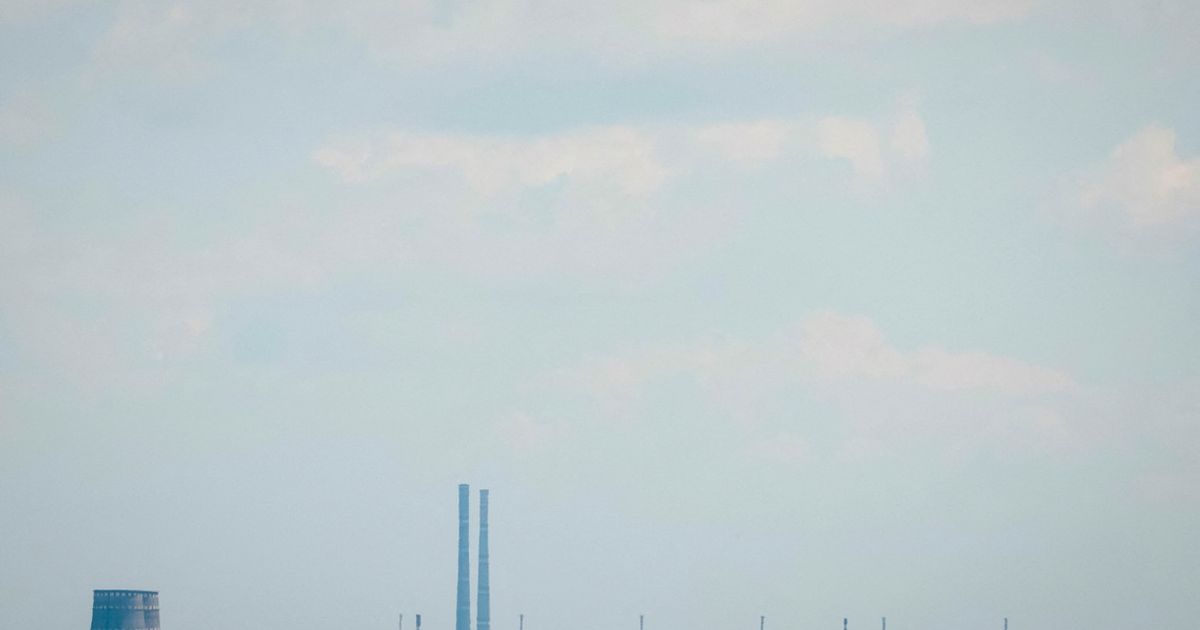
Photo via brecorder.com
IAEA Seeks Ninth Ceasefire to Repair Zaporizhzhia Power Line
Europe's largest nuclear plant lost external power for the 28th time, triggering emergency diesel backup with enough fuel for about 10 days.
What happened
The UN nuclear watchdog announced Thursday it was negotiating with Russia and Ukraine on a local ceasefire at the Russian-held Zaporizhzhia nuclear plant after the facility lost its sole remaining external power line early November 25. The 330 kV Ferrosplavna-1 line disconnected at 05:28 local time, reportedly due to military activity. The plant, which generates no power but requires electricity to cool its six reactors and spent fuel, switched to emergency diesel generators.
IAEA Director General Rafael Grossi said the outage marked the 28th complete loss of external power since the conflict began and emphasized the "extremely precarious" nature of a single-line power supply in an active combat zone. The agency estimates the plant has enough diesel fuel to run two operating generators in their current configuration for more than ten days. Grossi called on both sides to cease military operations against electrical infrastructure and cooperate with the IAEA to repair the damaged line. The plant's reliance on diesel backup amid repeated power cuts creates a narrowing window for repairs before fuel reserves become critical.
Chanakya's Move
The IAEA's move to negotiate a ninth ceasefire is a defensive play by a multilateral body with no enforcement power—Grossi is appealing to both sides' shared interest in avoiding nuclear catastrophe, but the pattern of 28 power losses suggests neither Russia nor Ukraine sees the nuclear safety case as compelling enough to halt operations on a frontline industrial target. Russia holds the site militarily; Ukraine lacks the ability to threaten it without risking the plant itself. Both have incentive to drag out negotiations while maintaining military pressure in other sectors. Grossi's public framing ("no one benefits from a nuclear disaster") is a tactic to embarrass both sides into compliance by making non-cooperation diplomatically costly. However, eight previous local ceasefires show the model is fragile—a ceasefire that permits repairs to a power line does not resolve the underlying conflict or restore Ukraine's control. The real strategic bet is that incremental IAEA-brokered truces can outlast the current combat cycle long enough for repairs to take hold before the next strike.