
Photo via hindustantimes.com
Ukraine Pauses Refinery Strikes on Trump Pressure
Kyiv's military halts one of its most effective campaigns against Russian oil production, undermining its leverage in ongoing peace talks.
What happened
Ukraine's military has paused strikes on Russian oil refineries following weeks of pressure from President Trump, the Wall Street Journal reported Thursday. Military units were told in mid-October to suspend the campaign after completing ongoing missions, with the pause expected to last at least through the November 3 U.S. midterm elections and potentially deeper into November. The last reported strike on Russian oil infrastructure occurred October 20.
The pause marks a significant tactical retreat: Ukraine's refinery campaign has disabled an estimated 45-51% of Russia's refining capacity and generated critical revenue for Ukraine's war effort. Trump has publicly blamed the strikes for elevated global fuel prices, though energy experts largely attribute price increases to the U.S.-Iran conflict. Meanwhile, Russian strikes on Ukrainian cities have continued unabated.
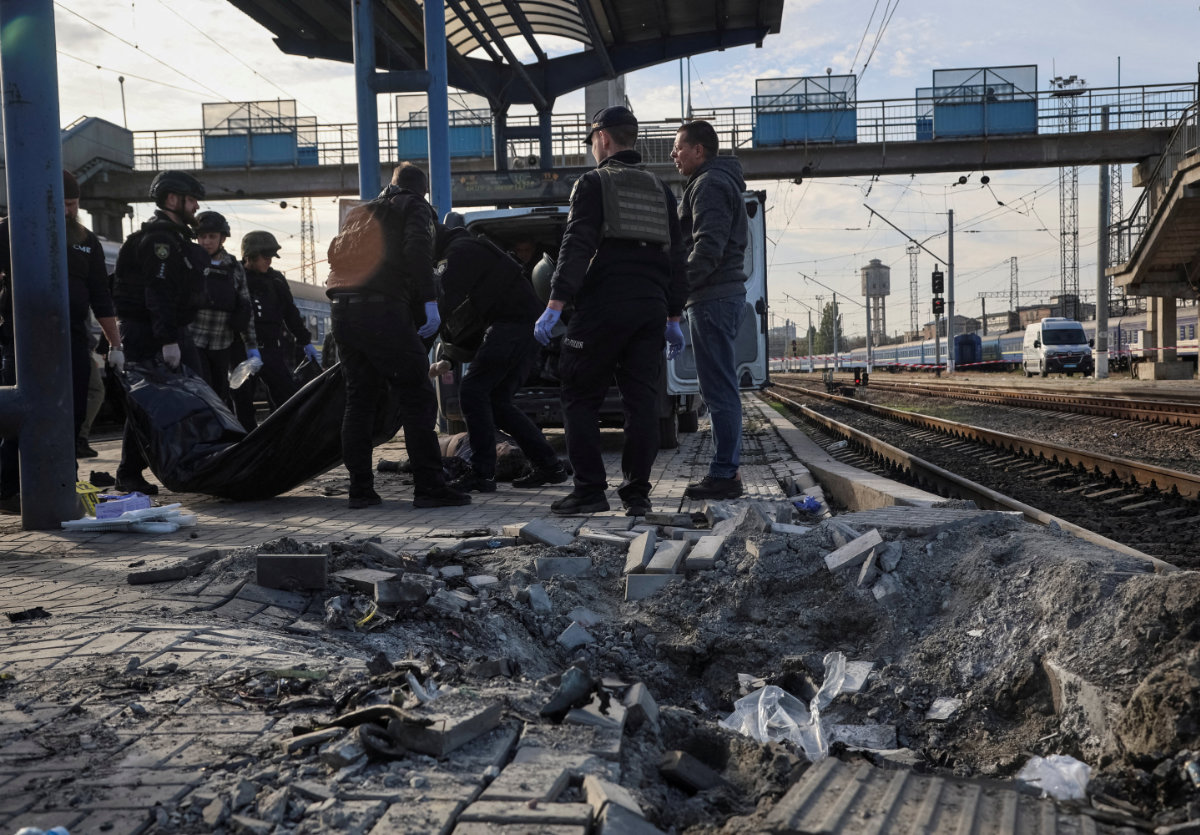
On October 29 alone, drone and missile attacks killed at least 20 people across Dnipro, Kremenchuk, and Chernihiv. Zelenskyy had proposed a mutual energy ceasefire—Ukraine would halt refinery strikes if Russia stopped attacking Ukrainian power plants—but Russia rejected the terms. The pause coincides with Trump administration negotiations involving multibillion-dollar oil deals with Russian energy companies as part of broader peace talks, and raises questions about whether Kyiv's military assets are being traded for political advantage in U.S. domestic politics ahead of elections.
Chanakya's Move
Trump is betting that constraining fuel prices ahead of the U.S. midterm elections serves his domestic political interests more than maintaining Ukrainian military leverage. By pressuring Kyiv to pause while simultaneously negotiating oil deals that would benefit Russian energy companies post-conflict, Trump is signaling to Moscow that the cost of Ukrainian pressure is negotiable—and that U.S. support for Ukraine's military objectives is conditional on short-term U.S. economic and political gains. Zelenskyy's counter-move—offering a mutual energy ceasefire that Russia rejected—was designed to expose this asymmetry and force Trump to either press Russia reciprocally or admit the pressure is one-directional. So far, Trump has not. The strategy risks emboldening Putin: if Ukraine's most effective tool can be frozen by U.S. political pressure, why agree to any ceasefire at all? Russia could interpret this as a signal that patience and incremental military gains will eventually yield Trump-brokered concessions. To counter this read, Ukraine and its European partners could publicize the one-sidedness of the pause and demand Trump impose equivalent costs on Russia (deeper energy sanctions, cutting off all peace talks) if the pause continues without reciprocal Russian restraint on power plants.