
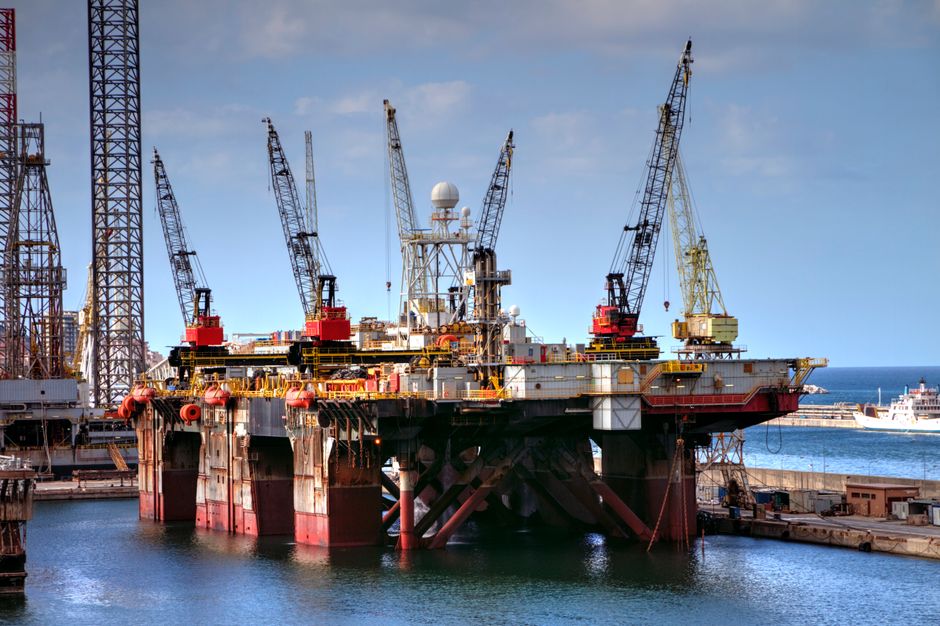
Photo via hurriyetdailynews.com
Turkey, Azerbaijan Plot Electricity Expansion as Global Energy Shifts
Turkish and Azerbaijani energy ministers announced major new electricity interconnection projects at the 5th Energy Forum, signaling a strategic pivot from hydrocarbons toward regional grid integration and green power exports to Europe.
What happened
Turkey and Azerbaijan are accelerating their energy partnership beyond oil and natural gas into electricity infrastructure, according to statements at the 5th Azerbaijan-Türkiye Energy Forum in Baku this week. Turkish Energy Minister Alparslan Bayraktar and Azerbaijani Energy Minister Parviz Shahbazov outlined three primary electricity projects: a transmission line from Azerbaijan's Nakhchivan exclave to Turkey, a four-country green energy corridor linking Turkey, Georgia, Azerbaijan, and Bulgaria, and a Black Sea undersea connection to Europe.
Both ministers framed the shift as a response to rising global instability and the energy sector's pivot toward electrification. Shahbazov noted that future demand from artificial intelligence and digitalization will require substantial electricity volumes, making regional interconnection critical. The cooperation builds on existing successes including TANAP, which has delivered 100 billion cubic meters of natural gas, and reflects a broader strategy positioning Turkey as an energy hub connecting Azerbaijan, Central Asia, and European markets. In January 2026, the two countries signed a 15-year gas supply agreement for 33 billion cubic meters from Azerbaijan's Absheron field beginning in 2029.
Chanakya's Move
This is a coordinated move by Turkey and Azerbaijan to lock in strategic alignment while creating infrastructure dependencies. Both countries are betting that Europe's energy security concerns will make interconnection investments a priority, and that electricity integration—far harder to reverse than gas contracts—creates deeper institutional and economic coupling. Turkey is consolidating its role as Central Asia's gateway to Europe, while Azerbaijan gains a captive route for renewable exports. The three-year timeline for implementation (some projects near completion) suggests confidence that the political basis for cooperation remains stable. A potential counter: if Turkish-European relations deteriorate, Europe could seek alternative supply routes via Greece or the Balkans, or invest in competing renewable capacity domestically.