
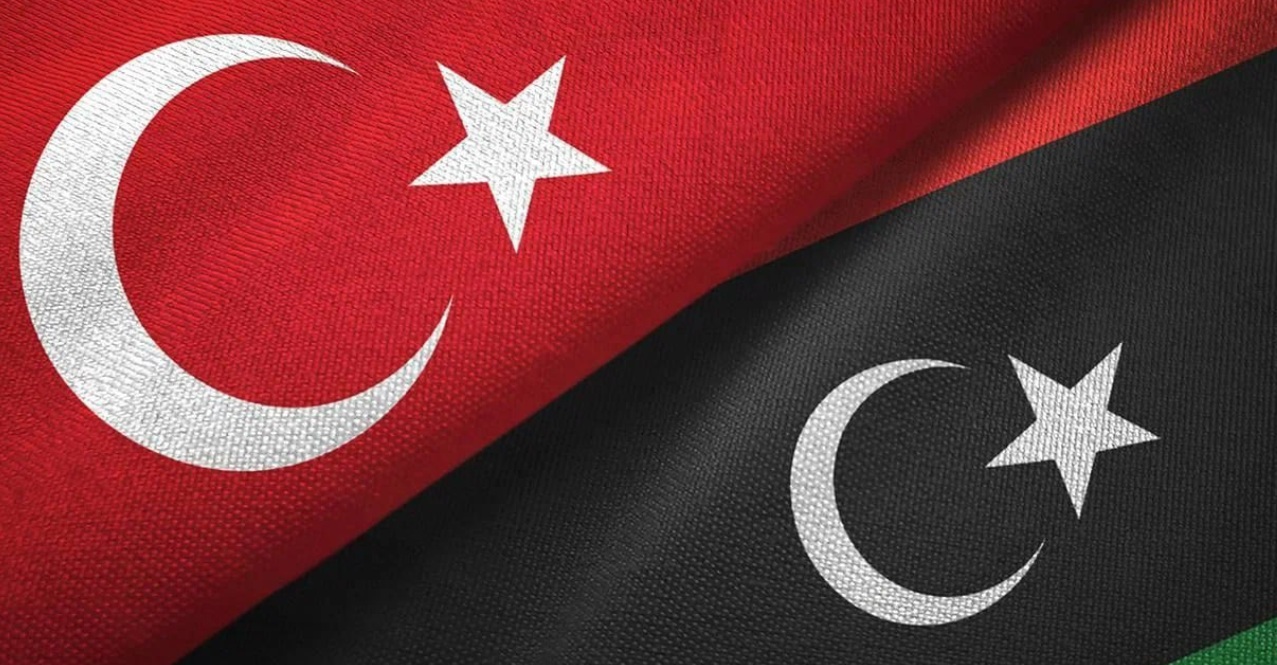
Photo via arabnews.com
Eastern Libya Parliament Backs Turkey Maritime Deal
Eastern Libya's Haftar-aligned parliament reversed a 2020 boycott and unanimously approved the 2019 Turkey maritime deal, reviving competing claims with Greece and Egypt.
What happened
Libya's eastern-based House of Representatives voted unanimously on October 20 to approve a 2019 maritime agreement with Turkey covering jurisdiction areas in the eastern Mediterranean, reversing years of opposition and restoring political ties with Ankara that had been cut in 2020. The agreement, originally signed between Turkey and Libya's internationally recognized western government in Tripoli, establishes maritime boundaries between the two countries and includes rights to explore for oil and gas in designated zones.
Eastern officials, including Saddam Haftar (deputy commander of eastern armed forces and son of military leader Khalifa Haftar), framed the reversal as a move toward overcoming past disputes and protecting Libya's economic interests. Turkey's Foreign Ministry welcomed the decision, saying the agreement respected mutual rights under international law. Greece immediately rejected the approval, calling the deal illegal, null, and void, and arguing that Turkey and Libya lack opposite or adjacent coasts to justify such delimitation—a position also taken by Egypt and Cyprus.
The reversal reflects warming ties between Turkey and eastern Libya in recent years. Analysts attributed the shift partly to leadership changes in parliament and to Saddam Haftar's effort to secure Turkish backing for presidential ambitions. The deal also drew backing from Libya's Tripoli-based government, whose Foreign Ministry called it a positive development.
Chanakya's Move
This is a strategic move by Turkey to consolidate its foothold in eastern Libya and lock in maritime claims at a moment when the Haftar camp is fractured but increasingly aligned with Ankara. Turkey bet that Saddam Haftar, seeking international legitimacy and Turkish military/financial backing for his own political ambitions, would override the previous parliament speaker (Aguila Saleh) who resisted the deal. By securing Haftar's approval, Turkey gains legal cover for expanded exploration and a political ally in Libya's eastern faction. The counter-move available to Greece and Egypt is to enforce their own 2020 maritime agreement, increase naval presence, accelerate their own energy deals (as Greece has with Chevron), and appeal to the EU and US for support. The EU and NATO face pressure to choose between supporting a member (Greece) and a strategic partner (Turkey) while managing Libya, where Turkish influence is now deeper.