
Photo via timesofindia.indiatimes.com
Trump, Netanyahu clash on Iran strike timing post-midterms
The US president resists Netanyahu's push to resume military strikes immediately after Tuesday's elections, preferring negotiations over immediate action.
What happened
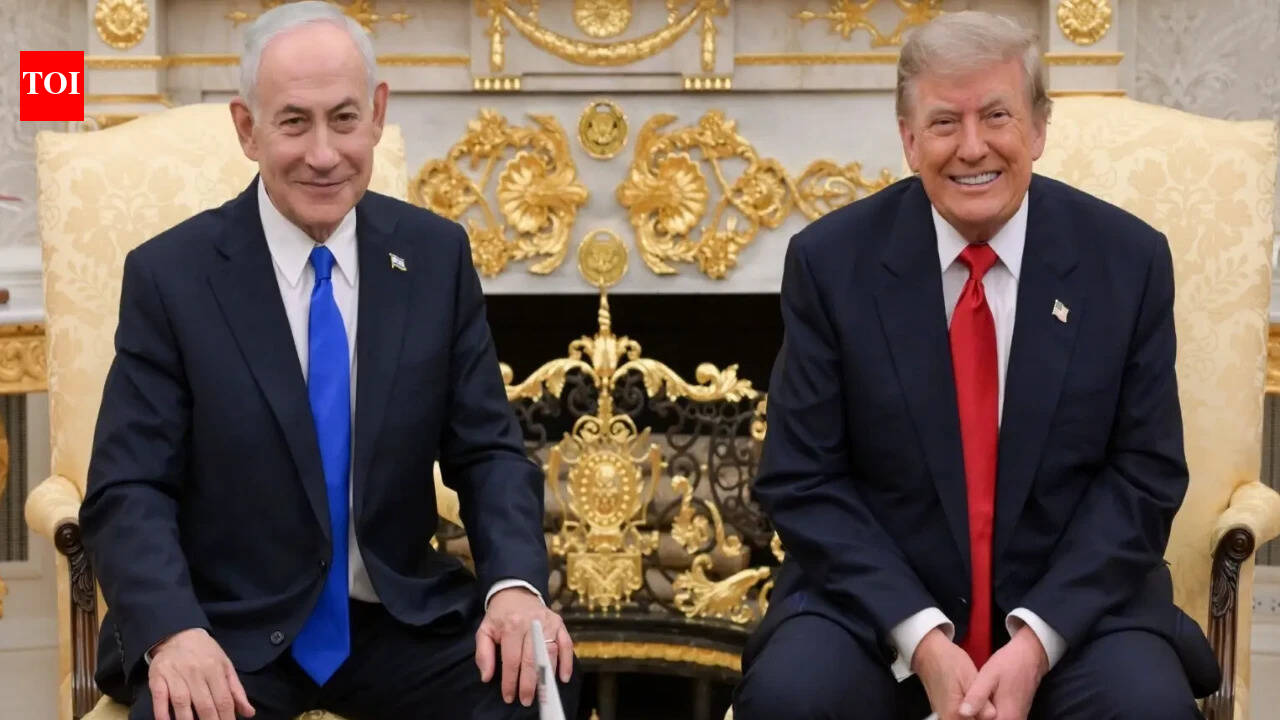
President Trump held a candid Saturday call with Israeli Prime Minister Benjamin Netanyahu to discuss the possibility of resuming military operations against Iran, according to US and Israeli officials cited by Axios. The two leaders differed sharply on timing: Netanyahu pressed Trump to launch strikes immediately after Tuesday's US midterm elections, while Trump indicated he wants to allow diplomatic efforts to continue for now. Trump told reporters he was not "in much of a hurry" and that negotiations with Iran were "going fine," though he maintained the US still needed to address "one or two" remaining nuclear targets in Iran.
The disagreement reflects a broader Trump administration strategy of pursuing dual tracks: diplomatic outreach alongside military preparations. Vice President JD Vance sent a high-level letter to Iran's security chief Mohsen Rezaei late last week seeking to revive stalled negotiations and reframe talks around both countries' national interests, with focus on Iran's nuclear program. Trump confirmed he had discussed Iran with Netanyahu but declined to elaborate on the substance.
Washington has warned regional Gulf allies to prepare for a possible "short but intense" resumption of fighting after November 3, according to multiple reports. Trump's rhetoric has grown increasingly pointed: he said the US could eliminate Iran's remaining nuclear sites "very quickly," and suggested the country still needed to "take care" of additional targets. Secretary of State Marco Rubio underscored that no final decision on renewed strikes had been made, though military options remain on the table.
Iran responded swiftly to the escalating rhetoric. Army spokesman Mohammad Akraminia warned on Sunday that any renewed war could last longer than the previous round of fighting and that Trump "would not be in a position to dictate the timing or the conditions of its conclusion." Revolutionary Guards spokesman Hossein Mohebbi echoed a warning from Iran's new Supreme Leader Mojtaba Khamenei, while Foreign Minister Abbas Araghchi stated Iran "continues to give diplomacy a chance." The remarks came amid the most intense phase of a conflict that began February 28 with US-Israeli strikes on Iran, followed by Tehran's retaliatory missile and drone attacks.
Chanakya's Move
This is Netanyahu's play: exploit Trump's post-election window to lock in military action before domestic political pressure or Iranian concessions can rebuild. Netanyahu has already overseen two rounds of Israeli strikes (2025 and 2026) and sees a third as achievable if he can move Trump immediately after midterms, when Trump may feel liberated from electoral constraints. Trump's dual-track posture—Vance's letter to Rezaei paired with military readiness—is Trump's hedge: he preserves the option to claim victory either through strikes or through a negotiated settlement. The counter-move is Iran's messaging: by warning the next war will last longer and Trump won't control its terms, Tehran is trying to make escalation costly enough to dissuade Trump and strengthen Vance's diplomatic track. The real pressure point is the midterm result itself: if Republicans suffer losses, Trump may feel obligated to demonstrate strength militarily; if they hold, he gains room to negotiate.