
Photo via arabnews.com
Iran, Qatar hold talks as US weighs post-midterm strikes
Qatari mediators shuttle between Tehran and Doha seeking de-escalation as Trump's administration keeps military options open after November 3 elections.
What happened
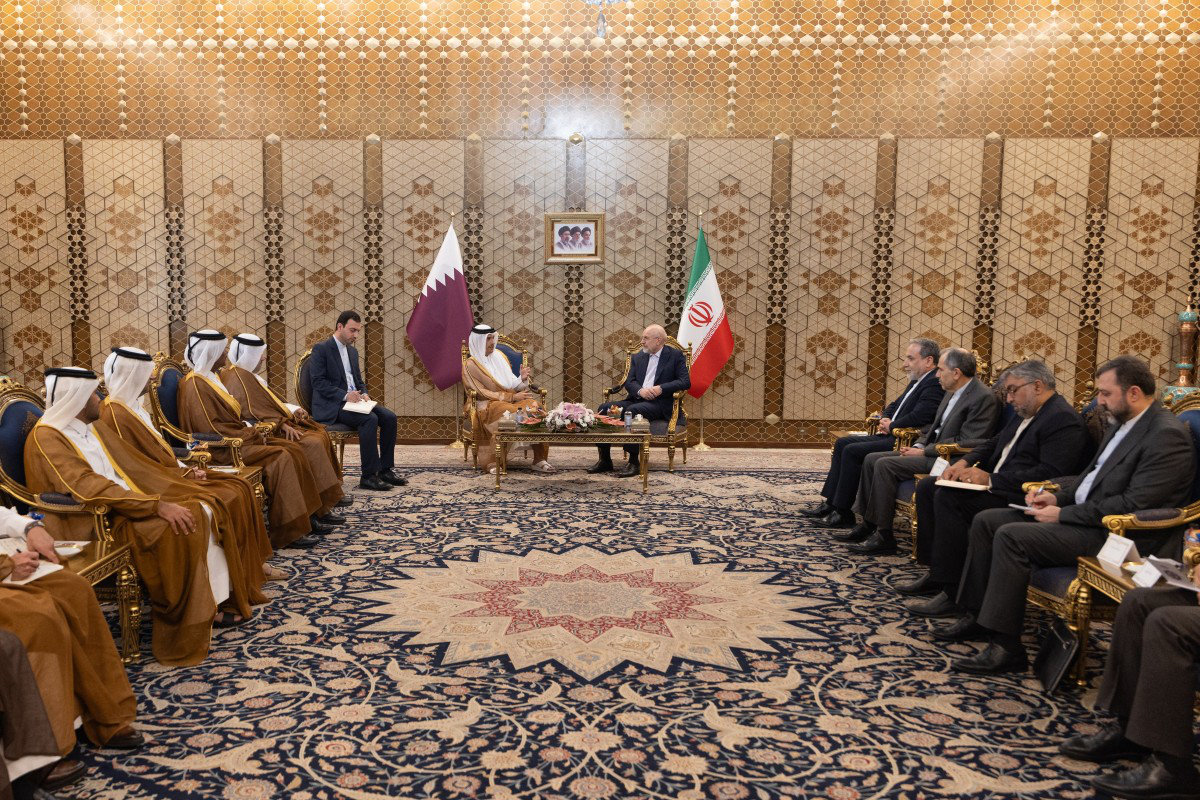
Iranian negotiators held talks in Doha on Saturday with Qatari mediators, following more than 12 hours of discussions in Tehran on Friday aimed at averting renewed US strikes on Iran after this week's midterm elections. According to sources briefed on the negotiations, the talks focused on preliminary measures concerning Iran's nuclear program, navigation through the Strait of Hormuz, and financial incentives for Tehran, with China and Russia reportedly proposed as guarantors. Qatar has presented a framework for reciprocal confidence-building steps that could lead to direct US-Iran negotiations.
A US delegation was expected to join talks in Doha, though no date has been confirmed and Iran's FM said his country sees no need to meet American officials at present. Meanwhile, US Secretary of State Marco Rubio said Saturday that President Trump has made no decision on renewed military strikes against Iran, though military options remain open. Reports indicate the Trump administration briefed Gulf allies to prepare for possible strikes as soon as November 4.
Iranian FM Abbas Araghchi said a recent letter from Vice President JD Vance was a "positive step," but set strict conditions for any talks: lifting sanctions imposed after the Islamabad memorandum and reducing US military forces in the region. Iran's Supreme Leader ordered armed forces to maximum readiness, warning of an "impactful, geographically unrestricted response" to any new attacks.
Chanakya's Move
Qatar and Pakistan are playing a mediator's game to preserve both sides' room for maneuver before Trump's decision. Iran is signaling diplomatic openness through back-channel letters while insisting publicly on preconditions it knows the US cannot immediately meet—a classic negotiating posture that preserves military readiness without closing diplomatic doors. Trump appears to be keeping both options live: Rubio's cautious language about "no decision yet" leaves space for either direct talks or strikes depending on how the next 48 hours unfold. The real test is whether a US delegation actually arrives in Doha and whether any preliminary agreement can be struck fast enough to shift Trump's calculus before the midterms end. If no tangible progress emerges by November 4, the military momentum—carrier deployments, briefed allies, strike plans ready—will likely carry the day.