
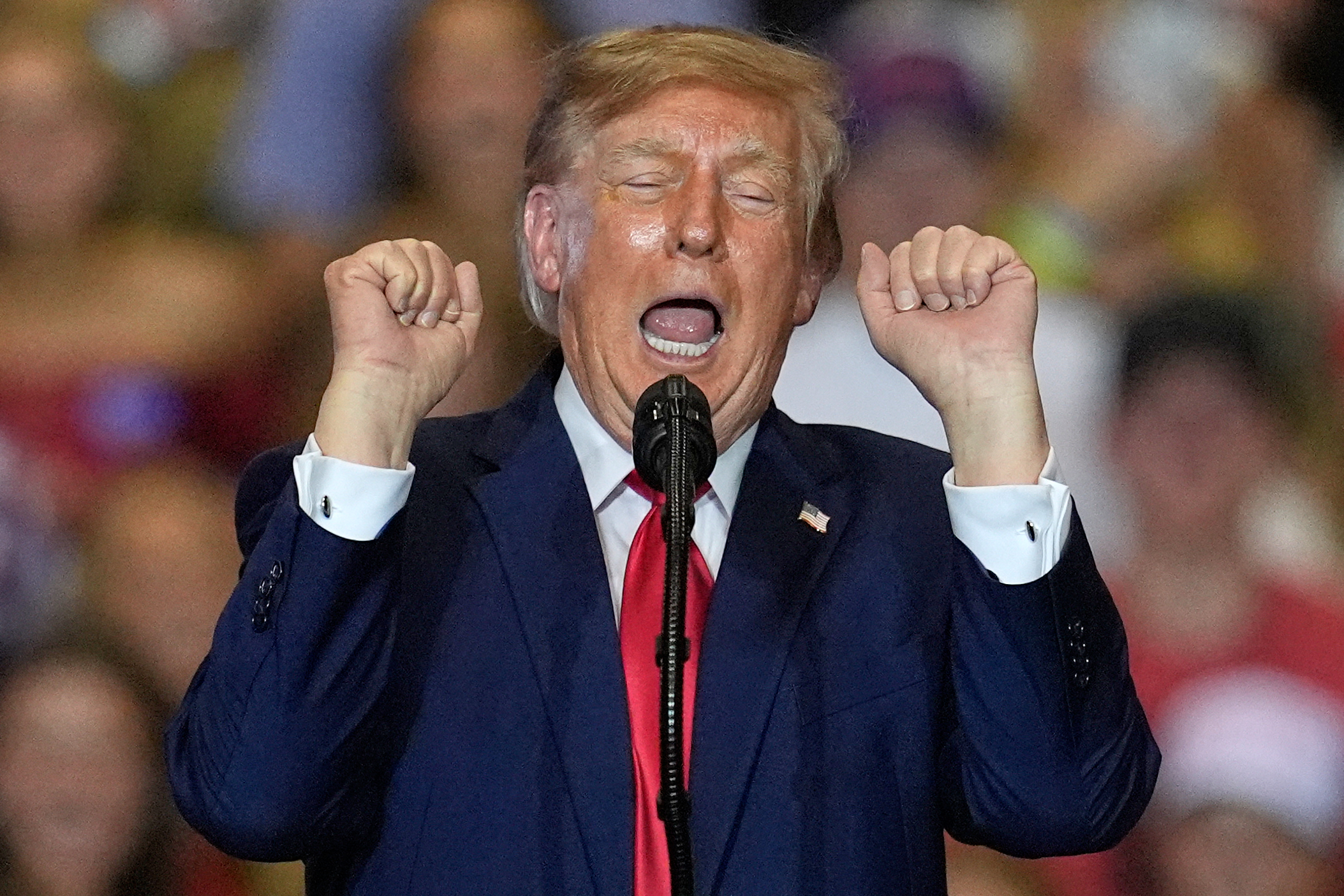
Photo via arabnews.com
Trump accuses Iran of manipulating oil prices before midterms
As military planners prepare post-election strike options, Trump deflects blame for global oil volatility onto Tehran's Strait of Hormuz attacks.
What happened
President Trump accused Iran on October 22-23 of deliberately driving up global oil prices through fabricated attacks on shipping in the Strait of Hormuz, claiming the incidents are fake to influence U.S. midterm elections on November 3. He asserted that more oil is flowing through the strait than before the war began and accused Tehran of "making up fake hits, mines, and everything else." According to Washington Post reporting, Iranian officials counter that they are escalating attacks now because they expect Trump to be more willing to tolerate higher prices after the elections pass.
The accusation comes as The New York Times reported that the U.S. and Israel have drawn up specific plans for renewed military strikes on Iran to begin after the midterms. Military exercises have intensified, with planes flying over Iraq to rehearse strike maneuvers. Defense Secretary Pete Hegseth met with Israeli Prime Minister Benjamin Netanyahu this week to discuss the operation. Possible targets include Iran's energy infrastructure, nuclear facilities, missile and drone arsenals, though some officials are considering sparing refineries to avoid pushing oil prices higher before voters head to the polls.
Trump himself has repeatedly blocked proposals for major combat operations against Iran throughout 2026. When asked by reporters on October 22, he said "something is going to happen very soon, one way or another," adding that "most people think it will happen after the elections." The White House reaffirmed that no strikes will occur before November 3. Iranian Foreign Minister Abbas Araghchi responded that Tehran is prepared for both diplomacy and war, saying "any scenario is conceivable including the possibility of an attack by the U.S. and Israel."
Iranian officials have threatened that any renewed strikes would draw retaliation broader than before, potentially targeting data centers and undersea internet cables beyond traditional military and commercial targets. The Strait of Hormuz attacks have driven oil prices to fluctuate between roughly $90-110 per barrel this month as traders weigh disruption risks against actual supply flows. Brent crude had climbed to $110 per barrel by mid-October before moderating somewhat following Trump's pledge not to strike before the midterms.
Chanakya's Move
Trump is executing a classic two-handed political bet. Publicly, he deflects blame for high oil prices onto Iran—a rhetorical move that shields his administration from mid-election economic headwinds and frames the conflict as Tehran's aggression rather than U.S. choice. Privately, and with Netanyahu's backing, military planners are preparing a post-election operation. Trump has repeatedly canceled such orders, but the fact that he is not blocking planning suggests he is hedging: if his political position weakens after November 3, or if Iran escalates further, he has ready options to approve a strike and claim military success. The move also signals to allies (Israel, Gulf states) that the war is not ending, only paused for electoral convenience. The counterplay is Iran's own bet: escalate now before Trump's political constraints lift, hoping to either force negotiations or, failing that, damage enough pre-election economic sentiment to weaken Republican congressional candidates. Both sides are positioning for November.