
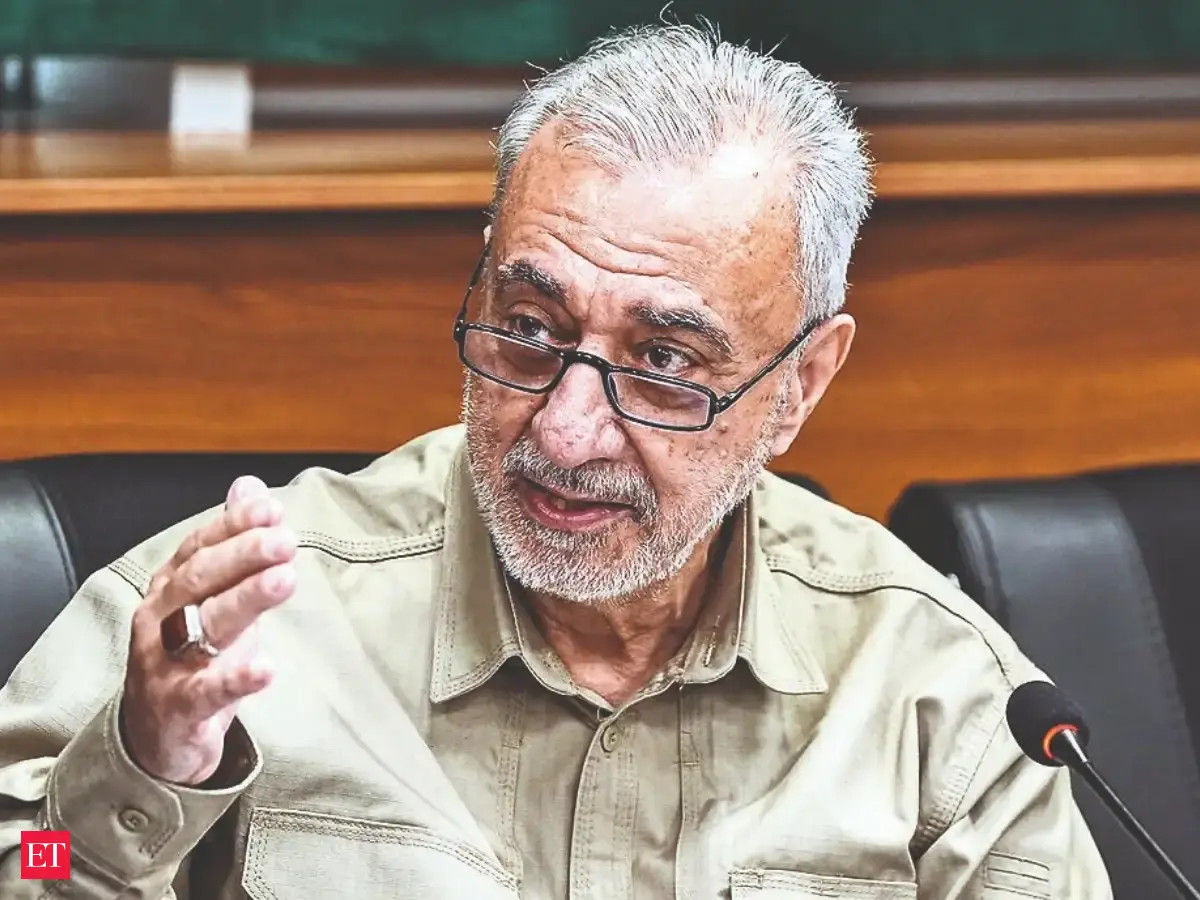
Photo via economictimes.indiatimes.com
Iran Appoints Missile Expert Akhlaghi as Defense Minister
New defense chief's threats of 'enormous damage' to US come as Iran's Revolutionary Guards warn of retaliation against Israeli energy targets.
What happened
Iran's parliament approved Mehrdad Akhlaghi Ketabchi as the country's new defense minister on Sunday with 237 votes in favor, ending months of interim leadership. The 68-year-old veteran replaces Aziz Nasirzadeh, who was killed in US-Israeli strikes on February 28, 2026 that also claimed Supreme Leader Ali Khamenei and senior military commanders.
In his first public statements, Akhlaghi threatened that any renewed US military campaign against Iran would bring "enormous damage" to both the United States and the broader region. "People can rest assured that they will most likely not dare to attack us," he told reporters after securing parliament's vote. "If they do, they themselves and the region will suffer enormous damage." He also warned of a "surprising and extensive" response to any fresh US-Israeli attack.
Akhlaghi brings four decades of experience in Iran's defense sector, having headed the Defense Industries Organization since 2013 and previously led the Aerospace Industries Organization. His appointment comes as tensions with the Trump administration remain heightened, particularly following Trump's recent endorsement of Israeli Prime Minister Benjamin Netanyahu ahead of Israel's October 27 election. On Sunday, Iran's Foreign Minister Abbas Araghchi challenged Trump's threat to "finish the job," warning that Iran has "unfinished jobs too."
The appointment also followed threats from Iran's Revolutionary Guards (IRGC), whose spokesman Hossein Mohebi warned that any attack on Iran's energy infrastructure would prompt retaliation that would turn Israel into "scorched earth." A UN sanctions list has included Akhlaghi since 2007 over his alleged involvement in ballistic missile activities.
Chanakya's Move
Akhlaghi's appointment is Iran's strategic move to consolidate defense leadership after the February decapitation strike. By elevating a technocrat with deep missile-industrial expertise rather than a general, Iran signals its bet on advanced weaponry and deterrence through credible retaliation capacity, not conventional strength. His immediate public threats serve dual purposes: they reset Iran's redline with the Trump administration and rally domestic support by showing resolve. However, Akhlaghi's appointment also reveals Iran's vulnerability—he is UN-sanctioned, isolated from global defense networks, and lacks military rank, suggesting Iran's true command is fragmented between political and military factions. Trump's recent Netanyahu endorsement and public talk of "finishing the job" appears designed to test whether Iran's new leadership will respond with escalation or restraint. The counter-move from Foreign Minister Araghchi and the IRGC—specific threats tied to energy infrastructure—narrows the escalation ladder and tries to draw explicit red lines (energy sites = retaliation), a sign Iran is trying to stabilize deterrence rather than widen conflict.