
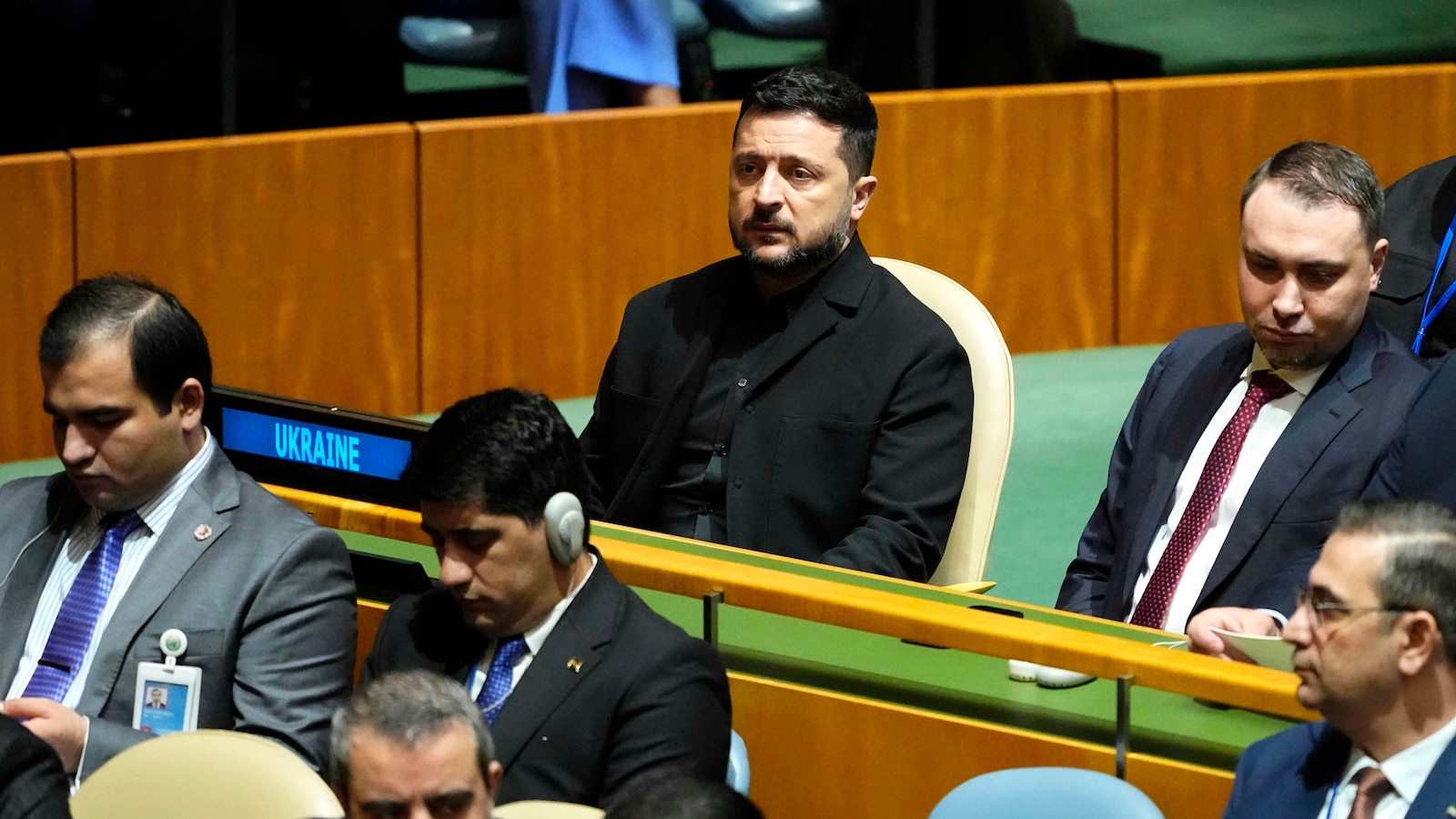
Photo via abcnews.com
South Korea says Zelenskyy revealed secret POW transfer to drum up weapons support
Seoul claims Ukraine publicly disclosed a covert North Korean prisoner handoff to win domestic backing for military aid—a move that has strained the allies' relationship.
What happened
Ukrainian President Volodymyr Zelenskyy disclosed at the UN General Assembly on September 23 that Ukraine had transferred two North Korean prisoners of war to South Korea. Seoul immediately objected, claiming the revelation violated a confidentiality agreement designed to protect the soldiers and their families from potential reprisals in North Korea. South Korea's spy agency assessed that Zelenskyy likely made the disclosure to generate public support within South Korea for greater military assistance to Ukraine—a country that has long refrained from providing lethal weapons to nations in active conflict.
Ukraine has denied agreeing to any secrecy pact, with a communications adviser to Zelenskyy rejecting Seoul's account on social media. The two soldiers were captured by Ukrainian forces in Russia's Kursk region in January 2025 while fighting alongside Russian forces, and arrived in South Korea in mid-September. Seoul says Ukraine expressed concern about facing domestic criticism for surrendering an opportunity to exchange the prisoners for Ukrainian military personnel held captive by Russia.
Chanakya's Move
Zelenskyy appears to have calculated that the diplomatic cost of breaking South Korea's confidence was worth the strategic upside: using the POW revelation as a public argument for why Seoul should arm Ukraine. The move targets South Korean domestic opinion by showing that North Korea is actively contributing troops to Russia—information that could shift the calculus on Seoul's weapons policy. However, if South Korea views this as a breach of trust or as evidence that Ukraine prioritizes its own messaging needs over bilateral agreements, the gamble could backfire. Seoul's response will likely depend on whether it perceives Zelenskyy's move as strategic leverage or as bad faith. The counter to Zelenskyy's play is for Seoul to condition future cooperation on demonstrable respect for agreements and to underscore that weapons transfers require stable, trustworthy relationships.