Intelligence Chief: Putin is Not America's Friend in Ukraine
Jay Clayton defended Trump's personal relationship with Putin while drawing a stark line on US interests.
What happened
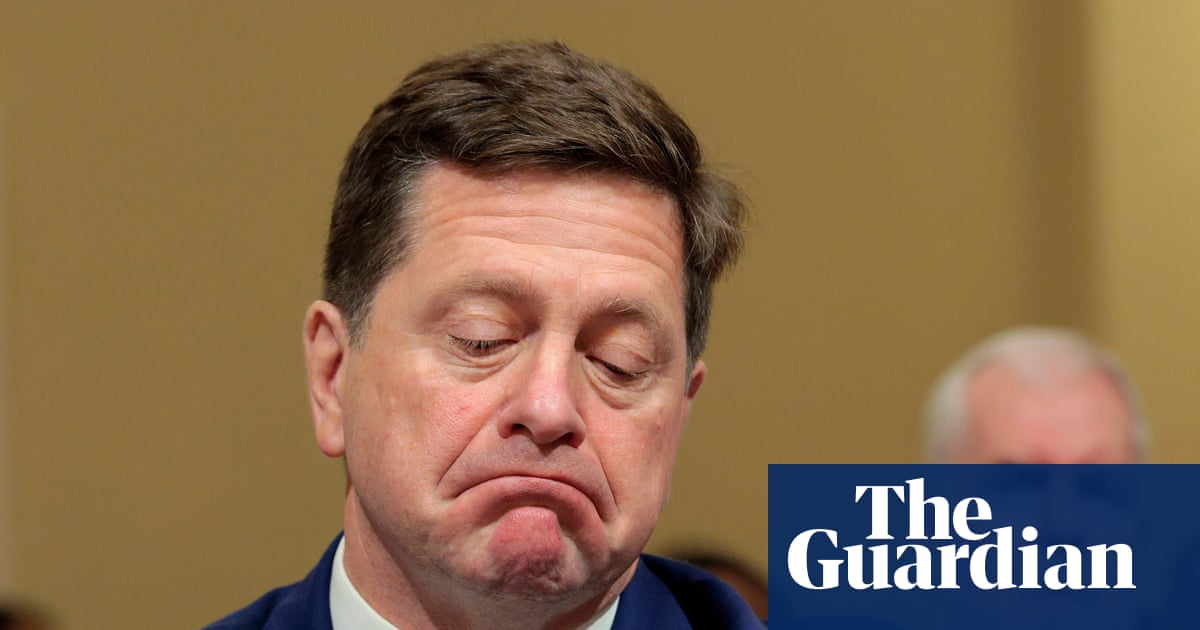
Director of National Intelligence Jay Clayton appeared on multiple Sunday news programs on November 22 to address President Trump's recent statements characterizing Russian President Vladimir Putin as a friend. This followed Trump and Putin's meeting at the APEC summit in Shenzhen, China on November 19, where Trump greeted Putin by calling him "my friend." Clayton said Trump's use of the term "friend" was "entirely appropriate" in the context of talks among leaders of the world's three largest nuclear powers.
However, when pressed directly on whether Putin is a friend of the United States, Clayton made a sharp distinction: "He is not America's friend in Ukraine. Not at all." Clayton's remarks echo Trump's own hedging on the matter. When asked if Putin was America's friend, Trump said he could not speak to that question, stressing instead his personal relationship with the Russian leader.
The intelligence chief praised Trump for bringing together the leaders of the three nuclear superpowers to discuss reducing global nuclear arsenals. Trump's warm rhetoric toward Putin has drawn criticism from European allies and Ukrainian President Volodymyr Zelenskiy, who have expressed concern that the American president's approach could undermine support for Ukraine in its ongoing conflict with Russia.
Chanakya's Move
Whose move this was, what they're betting on, what could counter it.
Trump is making a strategic bet that personal rapport with Putin on nuclear risk reduction outweighs public commitments to Ukrainian sovereignty. By calling Putin a friend and meeting him at an equal table with Xi, Trump signals that the US is repositioning itself as a broker between powers rather than a guarantor of the post-Cold War order. Clayton's role here is to offer a fig leaf—defending Trump's approach while nominally restating US opposition to Russian aggression in Ukraine. This allows Trump to pursue what he may see as realpolitik without openly abandoning the alliance system. The counter-move available to allies is to tighten their own relationships with each other (EU-Ukraine defense pacts, NATO coordination independent of US approval) and to make clear that any Ukraine settlement must include Ukrainian consent, not just great-power agreement.
How could this affect you
Traced by who's actually in the path of this. Not everyone is.
Likely
If you are a NATO ally or Ukrainian official
Trump's characterization of Putin as a personal friend, coupled with his retreat from the question of whether Putin is America's friend, could signal a shift toward negotiations that prioritize great-power relations over alliance commitments to Ukraine.
Possible
If you are a US investor in defense or sanctions-sensitive sectors
If Trump's warmth toward Putin translates into pressure on Ukraine to settle the war on Russian terms or a rollback of Russia-related sanctions, defense spending could contract and energy markets could shift, affecting valuations in those sectors.
Likely
If you are a European policymaker
Clayton's public assertion that Putin is not America's friend on Ukraine may be a rhetorical attempt to manage European alarm, but the underlying tension between Trump's personal diplomacy and US strategic interests in Ukraine remains unresolved.
Sources
Every claim here traces back to reporting you can read yourself.