
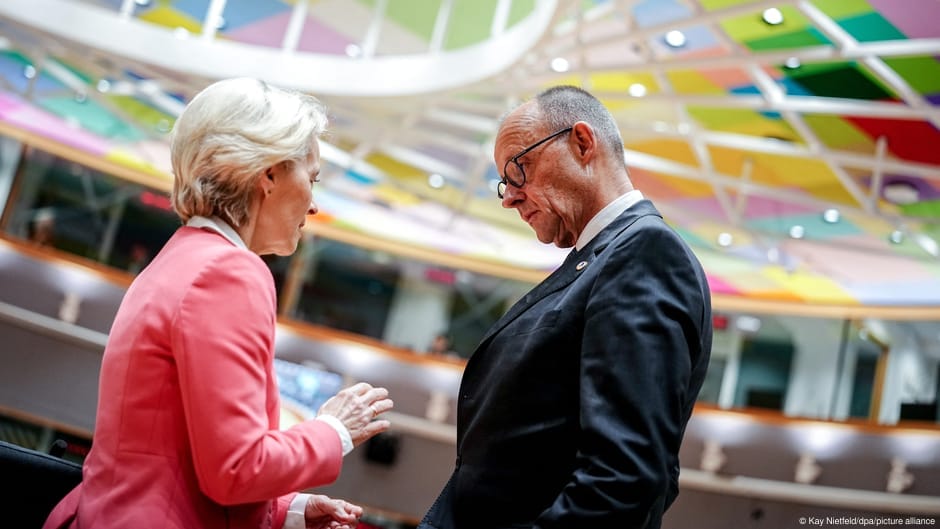
Photo via scmp.com
EU Budget Talks Collapse, Deadline Pushed to December
Leaders abandoned a Brussels summit after 12+ hours without agreement on the 2028-2034 budget, unable to bridge divides over spending size and Ukraine aid.
What happened
EU leaders cut short a two-day summit in Brussels on November 26-27, ending talks on the bloc's seven-year budget for 2028-2034 with no deal. European Council President António Costa had proposed a €1.78 trillion budget—a €204 billion cut from the European Commission's initial €1.985 trillion proposal—but seven fiscally conservative member states demanded even deeper reductions. The "Sensible Seven" (Germany, Netherlands, Austria, Denmark, Finland, Belgium, Sweden) rejected Costa's framework as too large, while net-beneficiary states defended existing cohesion and agricultural funding.
The summit descended into what diplomats described as "quite bad" and "messy and bitter" negotiations over three core issues: the budget's total size, distribution of funds, and new revenue sources. Ukraine funding compounded the deadlock. German Chancellor Friedrich Merz made a €45 billion emergency loan to Ukraine conditional on unanimous buy-in from all 27 states for war-related spending, a position opposed by Hungary, Slovakia, the Czech Republic, and Bulgaria.
The budget framework also includes a €100 billion seven-year reserve for Ukraine aid. Talks resume at a December 17-18 summit. French President Emmanuel Macron set a hard December 31 deadline, citing political constraints from France's April 2027 presidential election. At least six other EU states hold elections in 2027, raising pressure for a year-end deal.
Chanakya's Move
Costa gambled that a compressed 12-hour summit would force leaders to abandon red lines—a tactic that backfired when seven net contributors openly revolted and demanded his replacement. Merz weaponized Ukraine funding as a budget linkage to force Central European states into burden-sharing they oppose, betting that security pressure and December urgency would override their veto. France (Macron) bet that setting a year-end deadline would concentrate minds; instead it hardened positions among leaders unwilling to be rushed. The collapse signals three rival blocs: frugals want cuts and competitive spending; beneficiaries want preservation; and France+Germany split on whether Ukraine aid belongs inside or outside the budget. December's real leverage will be fear of post-election chaos—if any bloc believes 2027 elections make a deal impossible, the entire negotiation resets. Merz's conditional Ukraine position could unravel if Hungary uses military spending as a broader EU governance veto.