
Photo via globalnation.inquirer.net
Italy deploys troops as protests continue under security crackdown
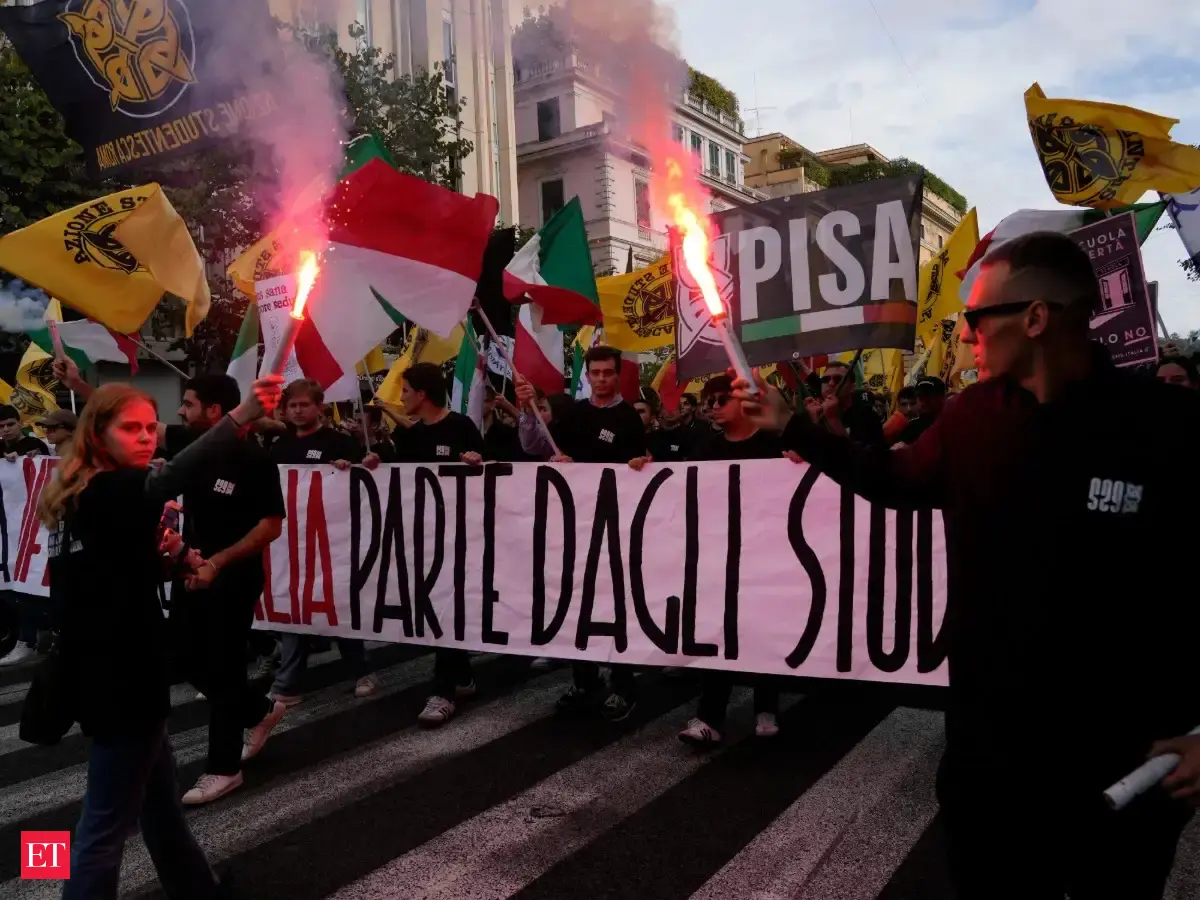
Thousands demonstrated in Italian cities Saturday despite Meloni government's new security measures and military deployment after violent clashes the prior week.
What happened
Thousands rallied across Italy on Saturday in protests over rising living costs, as authorities deployed large numbers of police and soldiers in response to violent clashes that occurred during similar demonstrations the previous weekend. Security forces achieved a largely peaceful outcome despite tensions. The protests were inspired by similar movements in France and Spain, with demonstrators demanding better living conditions amid high rents, low wages, and poor public services.
Prime Minister Giorgia Meloni's government approved tough security measures earlier in the week following October 17-18 rioting in Milan and other cities. Police deployed drones and helicopters for surveillance, while soldiers were positioned in city centers. The government also introduced a new decree creating criminal penalties for violent participation in demonstrations and expanded prosecutorial powers against minors aged 14 and above.
In Milan, several thousand marched through the city center, while similar-sized protests gathered in Rome, where some demonstrators briefly accessed the Colosseum. Police reported nine arrests and 371 brief detentions, including 110 minors, across eight cities as some clashes erupted. Earlier violent protests saw looting in Milan's fashion district and attacks on police. Interior Minister Matteo Piantedosi said police "managed to isolate and contain the violent fringes, with balance and professionalism."
Chanakya's Move
Meloni is betting that visible military presence and tougher legal tools will deter repeat violence and signal state authority over the streets—a classic right-wing security narrative that responds to rioting by expanding police and prosecutorial power rather than addressing underlying grievances about living costs. The move could backfire if it radicalizes further protest or if security crackdowns themselves become a new protest flashpoint. The government's framing—distinguishing "vandalism" from legitimate "protest" to justify harsher penalties—allows it to pursue law-and-order measures while appearing to defend free assembly. However, the decree's expansion of detention powers against minors and its presumption of criminal responsibility challenges Italian constitutional protections, suggesting Meloni is testing how far she can push security architecture during a moment of social unrest.