
Photo via arabnews.com
Iran transfers $200 million to Hezbollah for Lebanese displaced by war
The transfer, the first significant aid disbursement from the militant group to supporters uprooted by Israeli attacks, arrives despite tightening U.S. sanctions on Tehran and mounting costs of moving funds to Lebanese allies.
What happened
Hezbollah received $200 million from Iran last month to assist Lebanese displaced by this year's war with Israel, according to two people with direct knowledge of the transfer. The money marks the first significant aid package the group has distributed to supporters who bore the brunt of Israel's bombardment and invasion, which began in earnest after Hezbollah entered the regional conflict in early March. Intermediaries charged a 20% fee to move the cash, four times the normal rate, reflecting the operational risks of transferring funds to a designated terrorist group under intensive U.S. sanctions pressure.
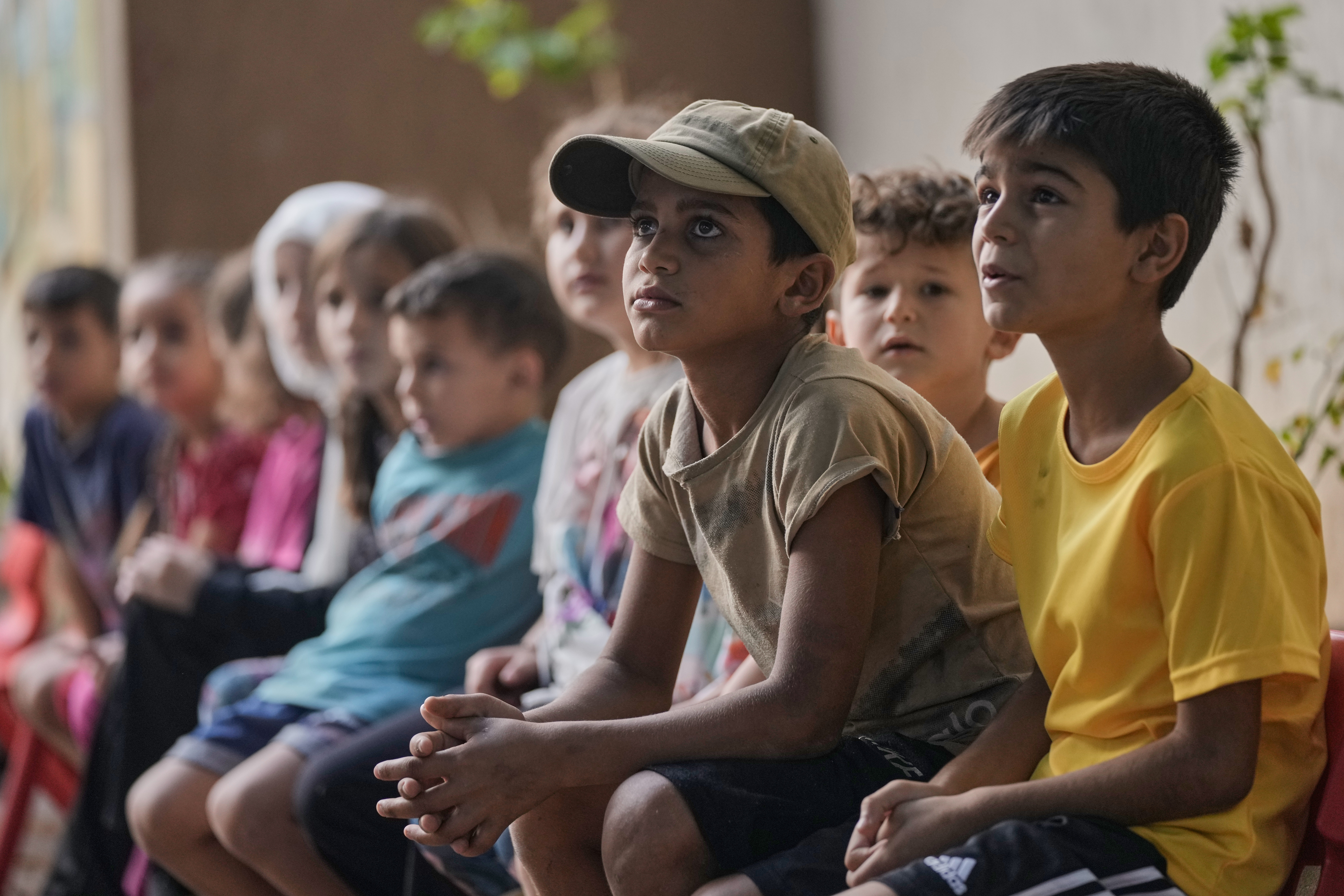
Hezbollah plans to distribute an initial $3,000 per family, prioritizing roughly 50,000 families whose villages have been destroyed or remain inaccessible due to Israeli occupation. The scale of displacement is enormous: over one million Lebanese have been uprooted since March 2026. The transfer succeeded despite a tightening U.S. economic chokehold on Iran and an interim oil deal Washington brokered with Tehran in June that subsequently collapsed in July. When asked for comment, a Hezbollah official confirmed funds had been secured and said a distribution plan would be announced in the coming days, but did not elaborate on their source.
The aid effort mirrors Hezbollah's post-conflict strategy following the 2006 war with Israel, when the group quickly distributed cash payments and rebuild assistance to consolidate support among its Shi'ite base. Lebanese Prime Minister Nawaf Salam estimated total reconstruction costs from the two wars since 2024 could exceed $27 billion, far outstripping the Iranian transfer. The transfer underscores Tehran's continued commitment to sustaining its Lebanese proxy despite sanctions escalation and domestic pressure over foreign spending at a time of economic hardship in Iran.
Chanakya's Move
Iran's move reinforces its strategy of sustaining Hezbollah as a long-term regional asset even under maximum U.S. pressure. By funding reconstruction and direct household aid, Tehran signals both commitment to its ally and an attempt to rebuild Hezbollah's legitimacy as a social actor—not just a military force—among Lebanese Shi'ites exhausted by war. The timing (October 2026, after the collapsed June deal and intensified sanctions) suggests Tehran is pivoting to a war-footing posture: it is willing to accept high intermediary costs and domestic political friction to keep Hezbollah operational and responsive to constituents. The counter would be either a successful U.S. effort to interdict such transfers at scale or a Hezbollah collapse that makes further aid moot. Neither appears imminent, meaning Iran likely sees this transfer as an investment in post-conflict political control in Lebanon.