
Photo via timesofindia.indiatimes.com
Tanker attacks spike amid claims Iran has lost Hormuz control; US reports 81 aircraft losses
As shipping through the strategic waterway surges, conflicting narratives emerge on who controls the Strait of Hormuz, while US military attrition from the Iran war reaches significant levels.
What happened
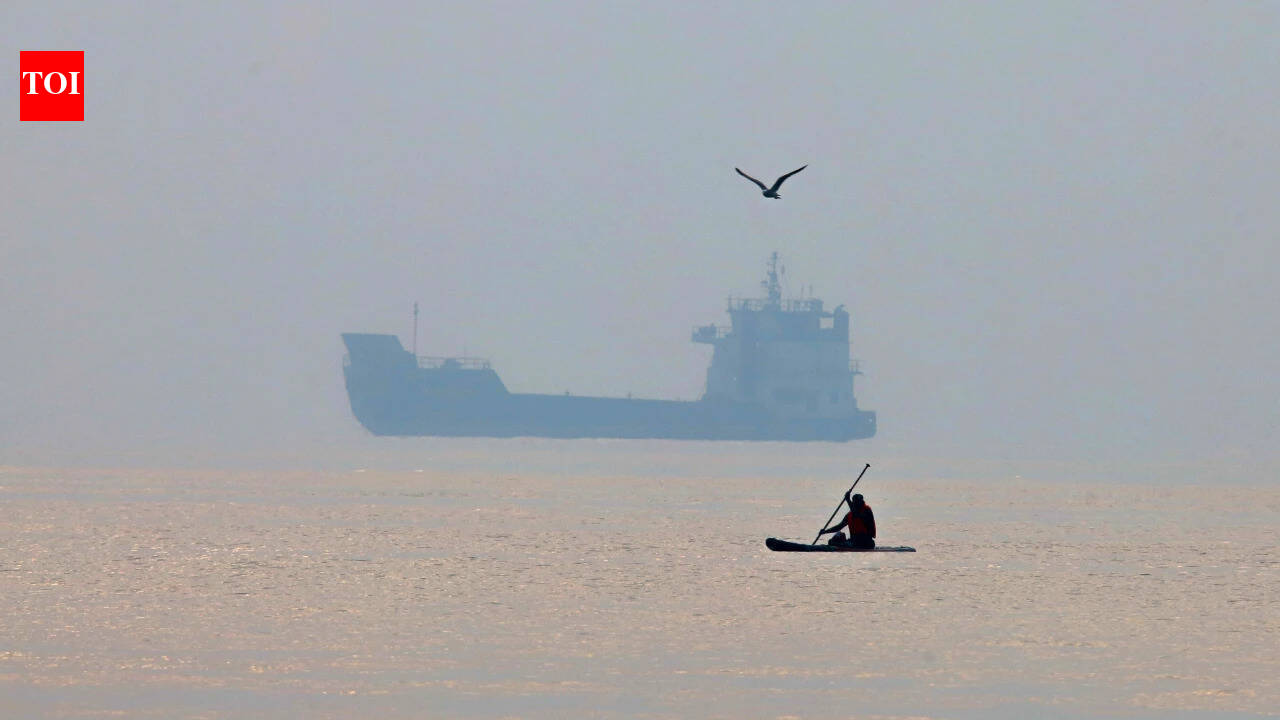
The week of September 28-October 5 saw at least 12 attacks on oil and gas tankers around the Strait of Hormuz, the highest single-week toll since the Iran war began in late February, according to maritime security sources tracking incidents in the region. This surge comes even as US Secretary of State Marco Rubio claimed on October 7 that Iran has 'lost complete control' of the waterway, citing near-prewar oil export levels of 18.3 million barrels per day as evidence. Yet the acceleration in attacks—with nine incidents already reported in early October alone—undercuts that narrative.
Meanwhile, a Congressional Research Service report issued October 5 tallied at least 81 US military aircraft lost or damaged since Operation Epic Fury began, including 45 MQ-9 Reaper drones, 12 F-15E fighters, and a rare E-3 Sentry airborne warning-and-control aircraft. The report cautioned the figure may change as combat continues, and some damaged aircraft have returned to service; the Congressional Budget Office estimated replacement costs between $1.9 billion and $3.3 billion. In the parallel Yemen theater, Saudi-backed government forces claimed Monday to have retaken the strategic Red Sea port of Mocha from Iran-backed Houthis in a rapid counteroffensive, while the Houthis responded with missile and drone strikes on Saudi airports in Jazan and Najran, injuring three people. Saudi Arabia, Turkey, and Pakistan agreed to activate 'deterrence measures' and rapidly deploy forces in response.
Chanakya's Move
The US is executing a dual-theater attrition strategy: degrading Iranian naval and air assets to restore Hormuz traffic, while supporting Saudi-backed forces to secure alternative chokepoints in Yemen. Rubio's assertion of Iranian loss of control is a narrative move designed to declare tactical success and justify continued sanctions pressure before the northern winter weather season reduces tanker traffic naturally. Iran's counter-move is escalation—the highest weekly attack rate signals either desperation or a calculated effort to inflict damage before US forces fully degrade their strike capacity. The wildcard is Yemen: if Saudi-Pakistan-Turkish reinforcements stabilize the Mocha line, the Houthis lose leverage; if they re-surge, both Hormuz and the Red Sea remain contested, fragmenting global energy flows. The real bet is whether the US can sustain aircraft losses at this rate (roughly 12 per month) without political or procurement collapse.