
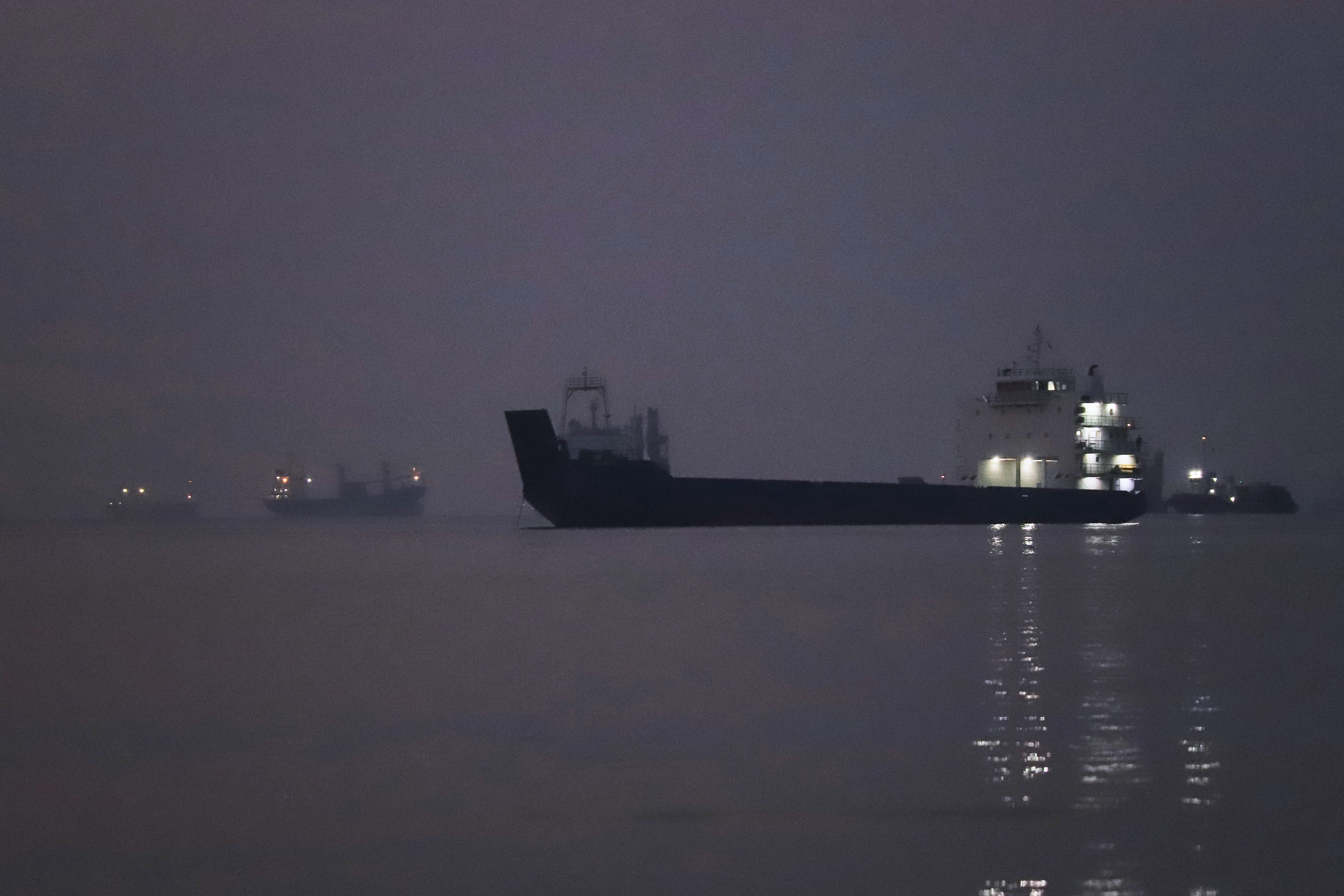
Photo via arabnews.com
Iran Claims Supertanker Sank in Hormuz After Mine Strike
Revolutionary Guards report a vessel with 2 million barrels lost to mines on unauthorized route, contradicting US claims of cleared waterway.
What happened
Iran's Revolutionary Guards claimed November 15 that a supertanker carrying over 2 million barrels of crude oil sank in the southern Strait of Hormuz after striking a naval mine and catching fire. The Guards said two tankers overall hit mines after using an unauthorized route the IRGC had restricted to Iranian-approved vessels. However, neither incident has been independently verified by maritime authorities or shipping monitors. The IRGC did not identify the vessels or their origins.
The claim directly contradicts recent US military statements. In August, President Trump and U.S. Central Command announced they had cleared all mines from the Strait of Hormuz's international shipping lanes, with CENTCOM identifying over 100 suspected mines removed by underwater drones and private contractors. The U.S. has maintained an escort operation protecting merchant vessels through the waterway since May.
Iran has heavily restricted traffic through the strait since February 2026, requiring vessels to use Iranian-authorized routes and targeting those that refuse. The latest claim—if accurate—would mark the deadliest single incident in Iran's campaign of maritime attacks tied to the broader 2026 Iran war.
Separately, Iran's embassy in South Africa posted threats on November 13 against two USS Spruance officers—the destroyer's commanding officer and executive officer—with the message "We will find you" as the warship returned from a record 357-day deployment that included combat operations against Iranian forces. The public identification of named military personnel raised security alarms in Washington.
Chanakya's Move
Iran is doubling down on its claim to control the Strait of Hormuz—both physically, through naval threats and mine-laying, and narratively, by contradicting U.S. assurances that the waterway is clear and safe. The tanker sinking claim, paired with the public threat against named U.S. naval officers, serves multiple ends: it signals that Iran's mine campaign remains active despite U.S. clearing operations; it reinforces the logic that ships must pay Iran for safe passage (the basis of Iran's Persian Gulf Strait Authority toll scheme); and it tests whether the Trump administration will escalate beyond escort operations if Iranian claims of destruction go unanswered. The threat against the USS Spruance officers is calculated psychological warfare—naming them publicly raises the cost of any U.S. escalation by making individual personnel targets rather than faceless military units, and it may deter those officers from public visibility or future command roles. Iran is betting it can sustain ambiguity: keep claiming mines exist, avoid full-scale war with the U.S., and maintain de facto control of the strait through fear and commerce disruption.