
Photo via channelnewsasia.com
Zelenskyy Offers Elections, But Demands 60-Day Ceasefire
Ukrainian president sets condition for holding elections after Trump calls for new leadership during dispute over Russian fuel sanctions.
What happened
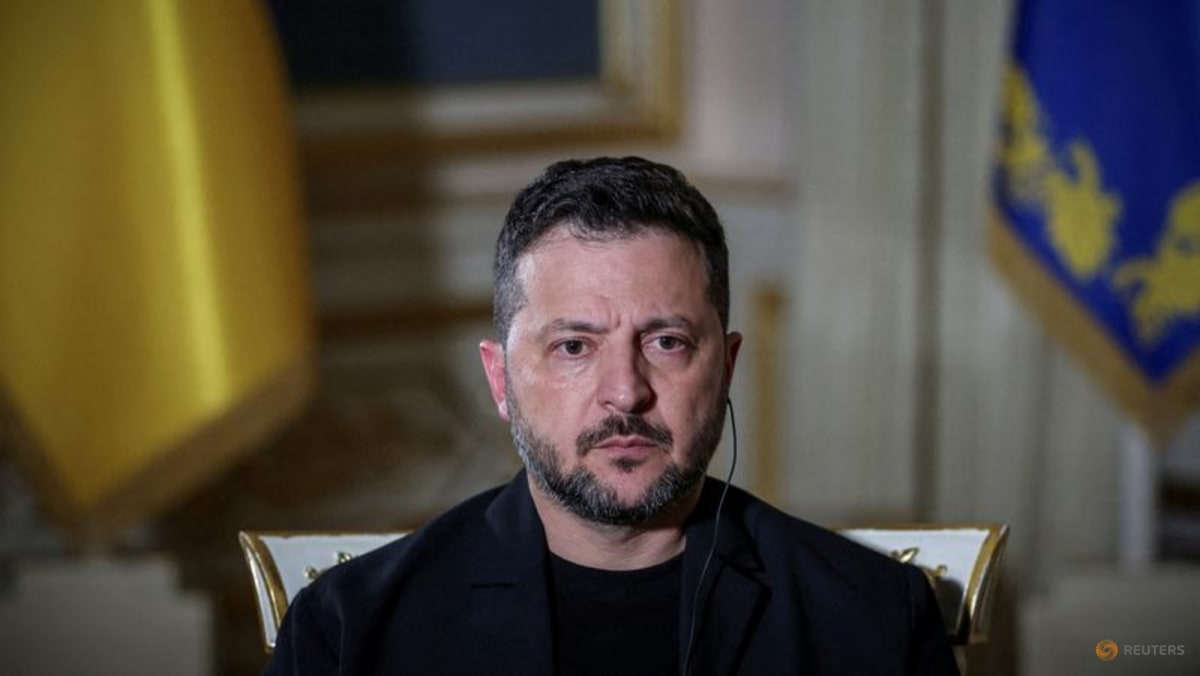
Ukrainian President Volodymyr Zelenskyy responded to US President Donald Trump's calls for new Ukrainian leadership by offering to hold elections if Russia agrees to a comprehensive 60-day ceasefire. In an ABC News interview on October 11, Zelenskyy said, "Please tell Putin, give us two months, 60 days of total ceasefire, 60 days, and we will organize elections." The statement came after Trump criticized Zelenskyy for attacking Russian refineries, telling reporters that Ukraine "should get a new president" who could "make a deal" with Russia.
Zelenskyy pushed back on Trump's criticism, saying that choosing Ukraine's leader is a matter for Ukrainians, not outsiders. He noted that Putin also wants to replace him, and that it is "more difficult to stop Putin than to pressure others." Zelenskyy's regular presidential term expired in May 2024, but martial law has extended it indefinitely under Ukraine's constitution, which forbids elections during wartime. Holding elections would require security conditions that a full ceasefire could provide.
The statement also addressed the broader dispute over fuel prices. Trump had announced an "energy ceasefire" with Russia just hours before Zelenskyy's interview, claiming both sides agreed to halt attacks on energy infrastructure. Zelenskyy told Axios he knew nothing about this deal but said Ukraine would agree to an energy ceasefire if Russia stopped attacking Ukrainian power plants. He separately blamed rising global diesel prices on the ongoing war with Iran and the blockade of the Strait of Hormuz, not on the Russia-Ukraine conflict.
The exchange reflects escalating tensions between Washington and Kyiv. Trump's move to ease sanctions on Russian diesel exports infuriated Ukraine, which depends on Western support in its war. European allies, including Germany and the UK, rushed to reaffirm their support for Zelenskyy after Trump's criticism.
Chanakya's Move
Zelenskyy has reframed Trump's pressure by accepting the elections premise but raising the price: a full 60-day ceasefire. This is a strategic counter-move that tests whether Trump's call for elections is genuine negotiating leverage or rhetorical cover for a deal with Putin. By linking elections to Russian agreement on a ceasefire—not just Ukrainian willingness—Zelenskyy transfers the burden back to Trump and Putin. If Russia refuses the ceasefire, Zelenskyy can claim readiness for democratic renewal but blame Russian obstruction. If Russia accepts, Zelenskyy gains breathing room and a security window for voting, but faces real risk of electoral defeat if the ceasefire holds and war fatigue favors a peace-focused candidate. Trump is betting he can broker deals through pressure; Zelenskyy is betting that Trump will discover Putin is the harder party to move.