
Photo via timesofindia.indiatimes.com
US, China in preliminary talks on reciprocal nuclear site visits
Informal discussions aim at confidence-building measures as the Trump administration pushes for greater transparency amid China's rapidly expanding arsenal and the expiration of US-Russia arms control.
What happened
The Trump administration has begun informal, preliminary discussions with China about reciprocal visits to nuclear weapons facilities, according to sources familiar with the matter. China initially proposed the idea during meetings with US officials earlier this year. Specific sites discussed include US Department of Energy national laboratories and equivalent Chinese facilities, with the US also open to discussing visits to nuclear testing sites.
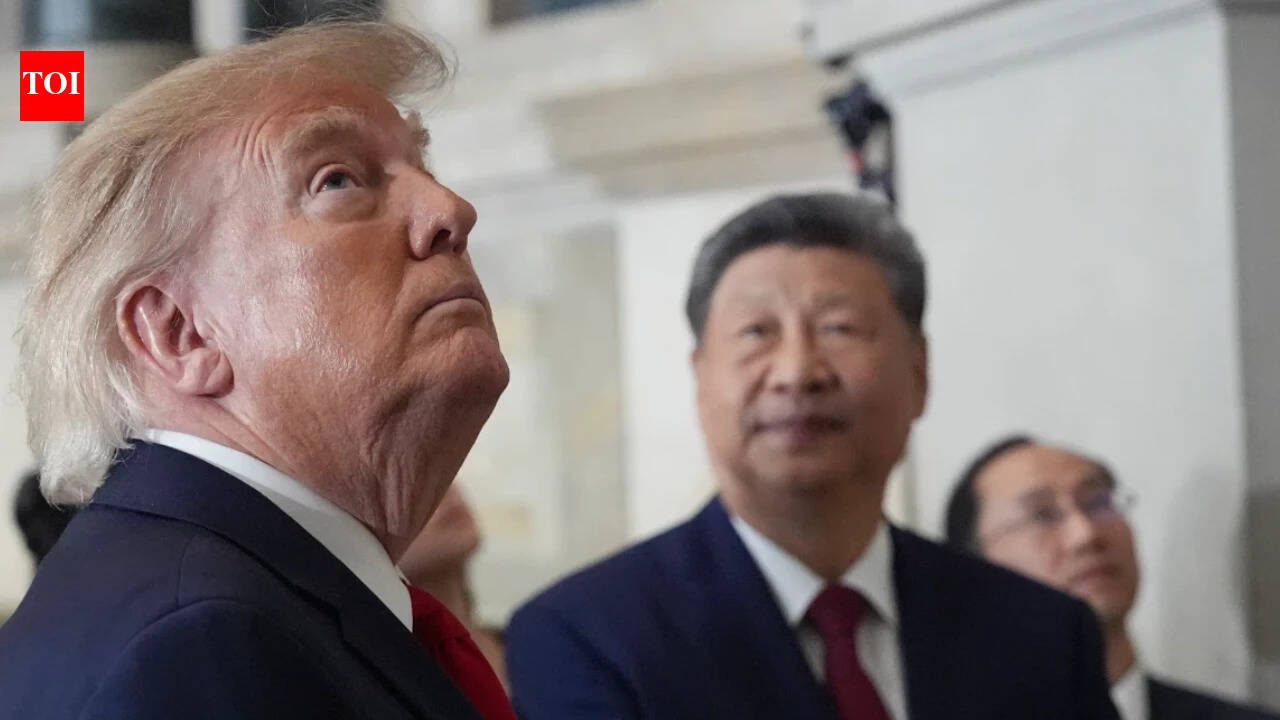
The talks, which have been conducted at working level rather than through formal negotiations, have occurred primarily on the sidelines of meetings among the five permanent UN Security Council members. The Trump administration plans to continue pushing for the initiative during in-person meetings between Trump and Xi in the coming months. However, no formal agreement has been reached, and neither government has publicly committed to the idea.
The discussions have not addressed inspection rights, data exchanges, weapons limits, or verification procedures. Some US experts have cautioned that the Chinese proposal could be diplomatic posturing aimed at appearing serious on nuclear issues ahead of high-level summits. Others, including former arms control officials, see reciprocal site visits as potentially valuable confidence-building measures, though skeptical that they would immediately lead to concrete progress on arms control.
China continues to resist formal arms control negotiations, arguing its nuclear arsenal remains smaller than those of the United States and Russia. Meanwhile, China's nuclear arsenal has grown to approximately 620 warheads and is projected to exceed 1,000 by 2030.
Chanakya's Move
China initiated this proposal as a low-cost confidence-building gesture ahead of multiple 2026 summits, signaling openness to dialogue while preserving its core position: continued nuclear expansion without formal constraints. The Trump administration is accepting because it addresses a genuine strategic problem—the absence of US-Russia arms control since New START expired in February 2026—and because Trump has repeatedly framed arms control as a path to cost savings. China's move bets that modest transparency theater can buy diplomatic space to complete its arsenal modernization to parity, reaching an estimated 1,000 warheads by 2030 before any binding agreement emerges. The US counter-move would be to use site visits as a stepping stone to formal risk reduction measures and eventually trilateral talks including Russia. The risk: reciprocal visits without teeth (no verification, no limits) normalize asymmetry—China's arsenal grows openly while the US gains observational rights but no binding constraints.