
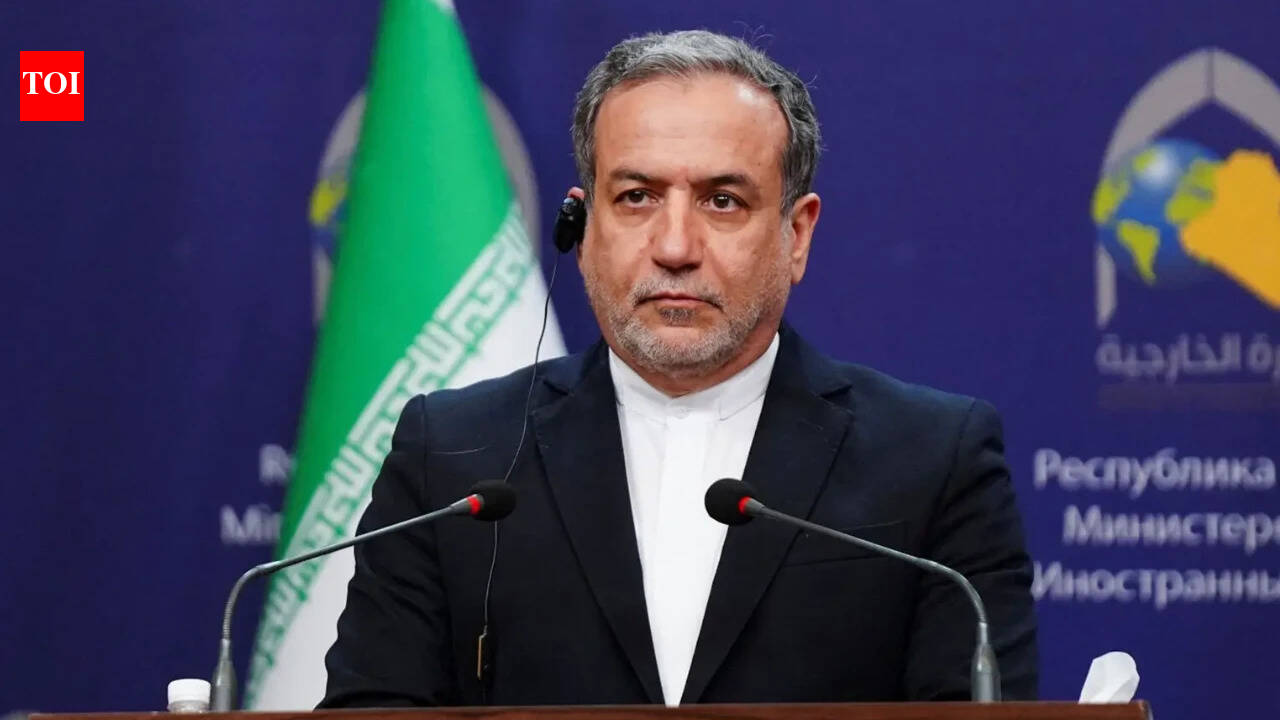
Photo via khaama.com
US and Iran Explore Phased Deal to Reopen Strait of Hormuz as 7-Day Proposal Emerges
Iran's foreign minister unveiled a seven-day plan at the UN to end hostilities and reopen the waterway, but Trump signals the real deal likely comes after November's midterms.
US and Iranian negotiators are exploring a phased path out of their seven-month conflict, with Iran proposing a compressed seven-day roadmap to end hostilities and reopen the Strait of Hormuz. The plan was presented by Iranian Foreign Minister Abbas Araghchi at the UN General Assembly in New York on September 24, with Qatar mediating. Under Iran's terms, the US would immediately lift its naval blockade, unfreeze at least $12 billion in Iranian assets, waive sanctions on Iranian oil, and end all military operations on all fronts—including in Lebanon—within the seven-day window. On the final day, the Strait of Hormuz would reopen for navigation, followed by comprehensive nuclear negotiations. This represents the latest revival of the June memorandum of understanding, which established a ceasefire and 60-day negotiating window before collapsing in August amid renewed fighting. The strait itself has become the central bargaining chip: Iran blocked the waterway—which handles roughly 20% of global oil trade—early in the conflict, while the US imposed a devastating naval blockade and escalating sanctions campaign that the Trump administration says has crippled Iran's economy. Trump's public posture complicates near-term prospects. While a White House official said the president is "open to talking with Iran under the right circumstances," Trump publicly predicted any deal would come "right after" the November midterm elections, not before. He framed the choice starkly: either a deal allowing Iran to rebuild, or military action to "annihilate the Islamic Republic." Trump stressed that the US did not need to negotiate because it held a strong position through sanctions, blockade, and Iranian economic collapse. Markets reacted cautiously to the talks: Brent crude slipped toward $106 per barrel after rising more than 7% in the two days prior. Oil prices have reflected recurring cycle of diplomatic hopes and setbacks—every previous deal framework since February has unraveled or stalled. The Trump administration, meanwhile, is clearly playing a waiting game, betting Iran's economic desperation will force concessions before or after the election.