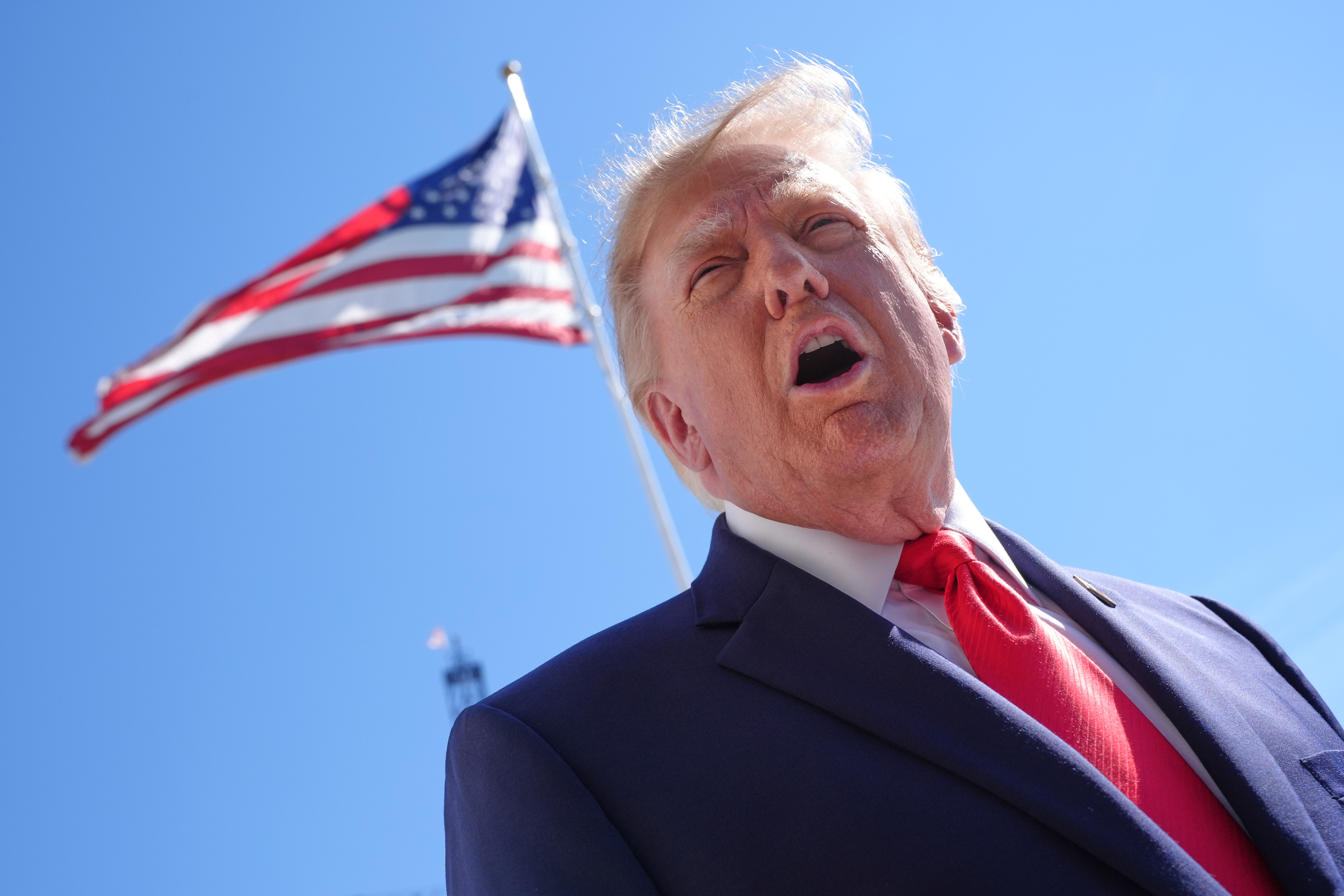
US deploys third carrier, 10,000 troops to Middle East as Trump threatens renewed Iran strikes
The USS Theodore Roosevelt strike group and additional marines will arrive by late November, marking the largest US naval presence since the 2003 Iraq invasion and signaling military readiness ahead of the midterm elections.
The United States is dispatching approximately 10,000 sailors and marines aboard the USS Theodore Roosevelt carrier strike group and the 13th Marine Expeditionary Unit to the Middle East, with arrival expected by late November. The deployment follows Secretary of State Marco Rubio's expulsion of the Iranian delegation from the U.S. as nuclear negotiations have stalled. Combined with the already-positioned USS George H.W. Bush and USS George Washington, this would give the U.S. three carrier strike groups in the region—the largest concentration since April 2026 and the first time since the 2003 invasion of Iraq. The buildup signals military readiness as Trump has publicly threatened to "annihilate" Iran or "bomb" it if a nuclear deal is not reached. Trump told the UN General Assembly last week that Tehran might agree to negotiations after the U.S. midterm elections on November 3, but also suggested the possibility of escalated military action. The USS George Washington could depart before the Roosevelt arrives, potentially keeping the force at two carriers, though Pentagon statements have remained unclear on this point. The deployment also includes additional ground forces and represents an expansion of military pressure on Tehran amid failed diplomatic efforts.
How could this affect you
Traced by who's actually in the path of this — not everyone is.
Direct
Energy markets and oil importers
The deployment news triggered immediate oil price increases of over $4 per barrel as markets priced in heightened risk of escalation in the Strait of Hormuz, a critical chokepoint for global energy supplies. Further tensions or conflict could disrupt shipments and boost prices further.
Likely
Gulf state governments and regional allies
The massive U.S. naval presence provides security guarantees but also signals Trump administration intent to use military force rather than diplomatic off-ramps. This constrains their negotiating space with Iran and increases the risk of escalation drawing them into conflict.
Direct
U.S. military personnel in the region
Deployment of 10,000 additional sailors and marines to an already-stressed theater increases personnel exposure to potential Iranian retaliation, drone attacks, or missile strikes. Recent reports indicated deteriorated conditions and suicide attempts among crews already deployed.
Likely
Global investors and exporters
Sustained military buildup without clear off-ramps increases geopolitical risk premiums across assets. If conflict erupts, Strait of Hormuz disruption could cause severe commodity supply shocks and inflation, affecting global supply chains and consumer prices.
Sources
Every claim here traces back to reporting you can read yourself.