
Photo via arabnews.com
Ukraine strikes Russian petrochemical plants as Starshield restored
Coordinated drone attacks on Tolyatti, Omsk, and Belgorod follow restoration of full satellite capabilities for targeting precision.
What happened
Ukraine's armed forces conducted a broad campaign of long-range drone strikes across Russia on October 24-25, targeting petrochemical and defense industrial facilities, hours after restoring full operational capacity to Starshield satellite communications. The strikes hit the Togliattikauchuk plant in Tolyatti, one of Russia's largest synthetic rubber producers located 1,000 km from Ukraine, and the Omsky Kauchuk facility in Siberia, roughly 2,500 km away. Both plants produce materials critical to Russia's military supply chain, including polymers used in solid rocket propellant and butyl rubber for military vehicle tires.
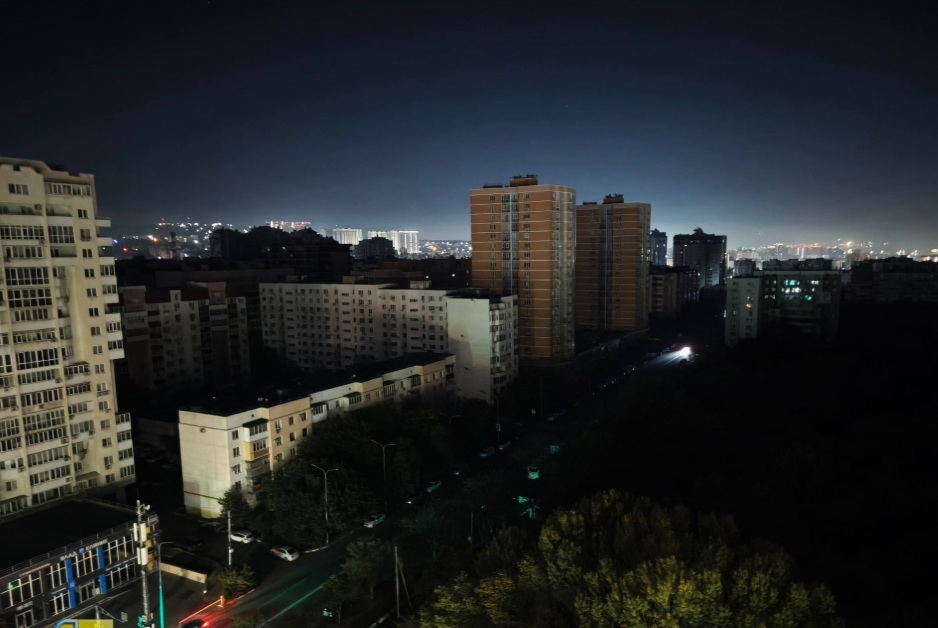
Ukraine also reported striking the Proton electronics plant in Oryol region, which makes components for cruise and ballistic missiles, and hitting an aircraft at Yeysk airfield. In a separate overnight attack on October 25, Ukrainian drones struck the MegaGRINN shopping center in the Russian border city of Belgorod, killing at least one person and injuring more than ten. Russian authorities reported significant damage to residential and commercial buildings in central Belgorod.
Russia's Defense Ministry claimed air defenses destroyed 1,297 drones over 24 hours, though Ukrainian strikes achieved confirmed impacts. The timing coincides with Ukraine's confirmation on October 24 that Starshield—SpaceX's military-grade satellite service—had been restored to full speeds after a week of restrictions imposed October 14 that had throttled drone operations. Ukrainian forces depend on Starshield for real-time targeting and coordination of long-range strikes.
Chanakya's Move
Ukraine is signaling operational recovery and capability expansion. The timing—striking within hours of Starshield restoration—suggests deliberate demonstration that restored satellite access translates into immediate tactical effect on distant Russian targets. Ukraine is attacking the supply chain feeding Russia's missile programs while Russia has been unable to halt long-range strikes despite claimed air defense kills. The Belgorod strike on civilian targets may indicate either escalation in response to Russian civilian attacks or a bid to raise costs for border-region support to Russian forces. Russia's counter-move: loudly claiming massive drone interceptions while rebuilding air defenses and likely considering how to pressure SpaceX or the U.S. to re-restrict Starshield or reduce Ukrainian access again.