
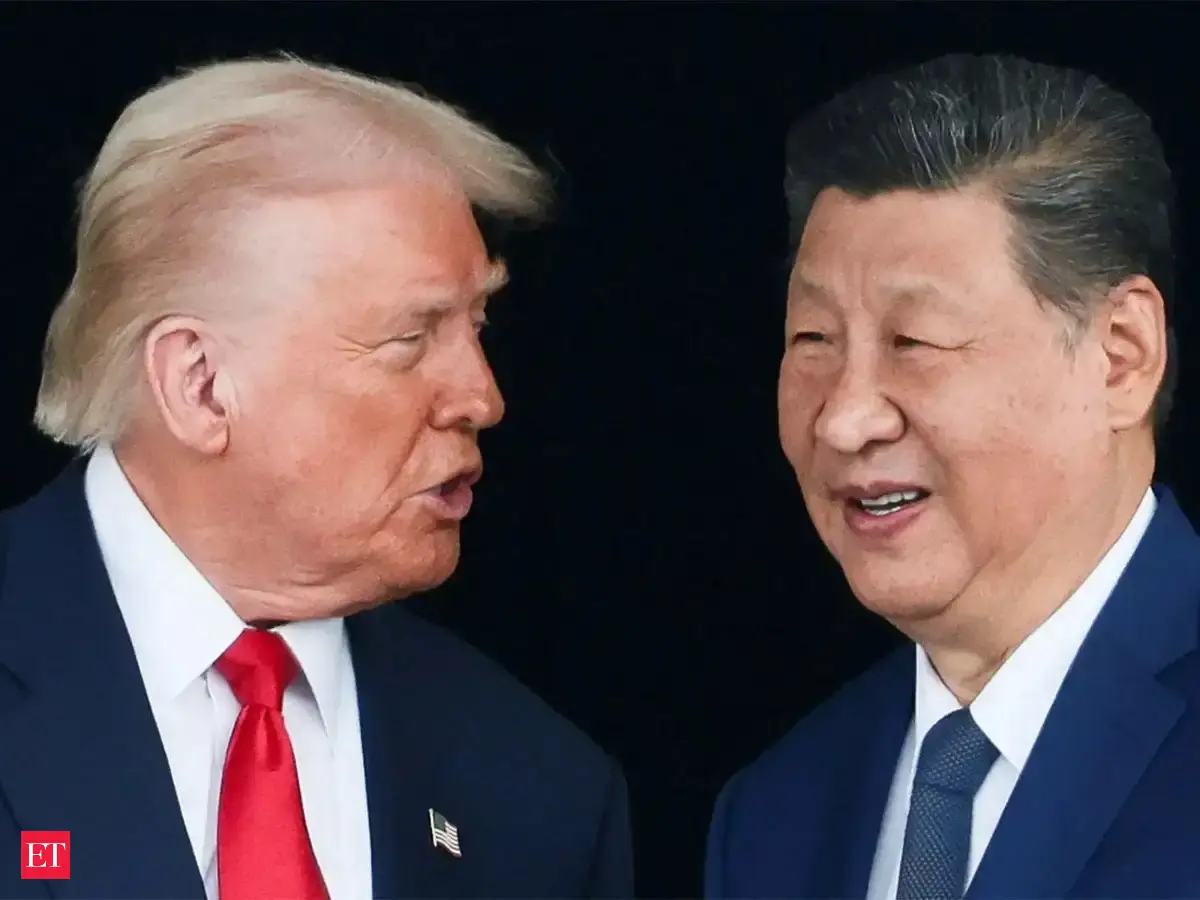
Photo via economictimes.indiatimes.com
Trump, Xi, Putin set historic trilateral summit in Shenzhen
The unprecedented three-way meeting on the sidelines of APEC comes amid US chip restrictions and rising tensions over trade, Ukraine, and Iran.
What happened
US President Donald Trump, Chinese President Xi Jinping, and Russian President Vladimir Putin are set to hold their first trilateral meeting on November 19 on the sidelines of the Asia-Pacific Economic Cooperation summit in Shenzhen. The White House and Chinese Foreign Ministry have confirmed the gathering, which will mark the first time the heads of the three nuclear-armed powers have met together as a group.
The meeting comes amid significant tensions within the US-China relationship. Just as Trump began his trip to China, the Trump administration announced new restrictions on shipments of advanced artificial intelligence chips from companies like Nvidia to Southeast Asian countries including Malaysia, Singapore, and Thailand, which Chinese companies have used to access computing power. The restrictions target overseas data centers providing significant volumes of compute power to Chinese-headquartered firms, requiring them to obtain US export licenses within 90 days. China has pledged to retaliate, potentially threatening the fragile trade truce between the two countries.
Shortly before the summit, Xi delivered a speech at the APEC CEO Summit calling for support for "free and open trade" without investment barriers and urging nations to uphold the rules-based multilateral trading system. His remarks came directly after the US announced the chip restrictions, positioning China as a defender of open markets and investment.
Analysts expect the trilateral meeting to be more symbolic than substantive. Trump has indicated he wants to discuss nuclear arms reductions, while Russia has signaled the Ukraine conflict could be on the agenda. The White House confirmed the meeting will also address trade and artificial intelligence. However, expectations for major breakthroughs are low, with observers noting the gathering carries "extremely significant" political meaning for the three nations but no clear shared agenda.
Separately at the summit, Japanese Prime Minister Sanae Takaichi faces a chilly reception from Chinese hosts. Analysts say Xi is unlikely to hold a formal bilateral meeting with Takaichi due to tensions over her remarks last year suggesting Japan could intervene militarily if China attacked Taiwan. Beijing has demanded "correction" of her comments and signaled it will not engage on other issues until Japan addresses its concerns.
Chanakya's Move
Xi is playing the classic statesman role—positioning China as the defender of open trade and multilateralism while Trump imposes restrictions, making China appear principled even as Beijing maintains significant state control over its own markets. Xi's bet is that this messaging resonates with other Asia-Pacific economies and emerging markets, shifting diplomatic momentum in China's favor before the trilateral. For Putin, the meeting itself is the prize: a photo opportunity with Trump and Xi elevates Russia's global standing despite sanctions and Ukraine. Trump appears to be testing whether he can build personal relationships with Xi and Putin that override institutional constraints—a gamble that depends on charisma and deal-making rather than formal agreements. The counterplay is that any trilateral agreement reached in Shenzhen will face scrutiny from US Congress, European allies, and regional partners who may see it as a unilateral shift in the global order. Xi can afford ambiguity; Putin needs tangible relief; Trump needs a win. That mismatch could unravel any consensus after the summit.