
Photo via abcnews.com
Trump signs Greenland security deal, pledges two new US military bases
The trilateral agreement grants the US expanded Arctic military authority while preserving Greenland's sovereignty and blocking Chinese and Russian presence on the strategic island.
What happened
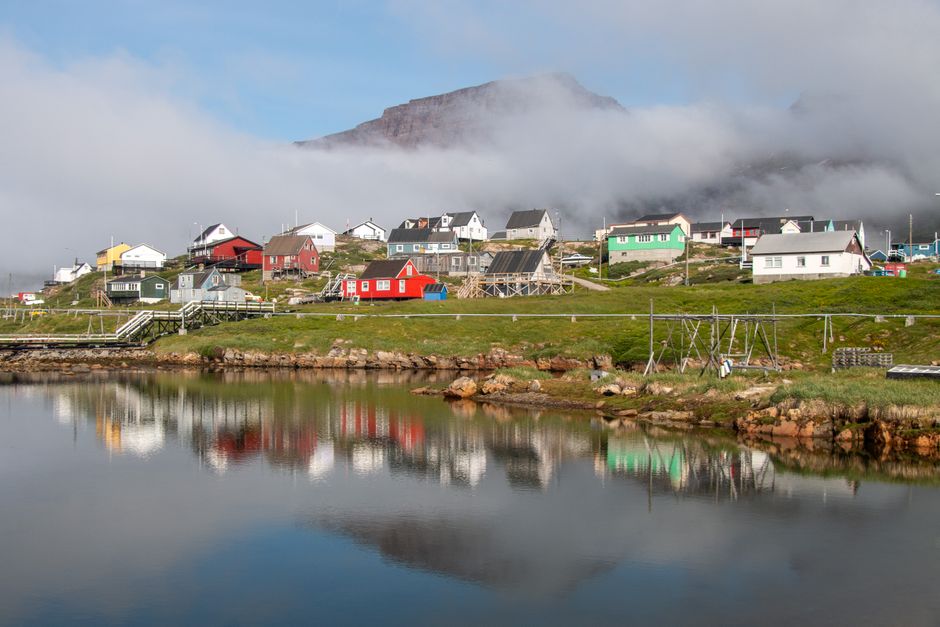
President Donald Trump signed a security agreement with the leaders of Greenland and Denmark on Tuesday on the sidelines of the United Nations General Assembly. The deal allows the U.S. to expand its military presence in Greenland while maintaining the island's sovereignty and Denmark's control. Trump announced during his UN address that the U.S. would build two new military bases at Narsarsuaq in southern Greenland and Mestersvig on the eastern coast, expanding from the single Pituffik Space Base currently operating there.
The agreement grants the U.S. broad military authority, including the power to modernize and expand activities at the existing Pituffik base. It blocks non-NATO countries from establishing military installations or making sensitive investments in Greenland without approval from all three parties. The deal has no expiration date and will persist even if Greenland eventually becomes independent. The accord intensifies screening for foreign investment from non-NATO and non-EU members, explicitly aimed at blocking influence from China and Russia.
The signing represents a diplomatic pivot after months of escalating tensions. Trump had repeatedly threatened to acquire Greenland by force, drawing fierce objections from Greenland's residents and alarm across NATO. Denmark's parliament approved a separate bill last Wednesday to allow U.S. military bases on Danish soil, widening a 2023 agreement made under the Biden administration. Danish Foreign Minister Lars Løkke Rasmussen stated that Denmark could terminate the agreement if the U.S. attempts to annex any part of Greenland.
Greenland's Prime Minister Jens-Frederik Nielsen emphasized that the accord recognizes Greenlandic sovereignty and territorial integrity. The agreement reflects what leaders described as recognition of a changing Arctic security landscape amid Russian military expansion in the region. Trump claimed this fulfilled a long-standing U.S. strategic objective, while Danish officials framed it as defending NATO security while protecting their red lines against any territorial seizure.
Chanakya's Move
Trump's move trades temporary restraint for lasting Arctic control. By accepting Greenland's sovereignty on paper while securing military bases and a veto over all foreign investment indefinitely, he essentially locked in U.S. strategic dominance without the political cost of annexation. His rhetoric of acquisition served as a negotiating cudgel—the threat itself forced Denmark and Greenland to offer concessions they might otherwise have withheld. Denmark gets security guarantees that Trump remained in the alliance; Greenland gets explicit sovereignty protection. The vulnerability: Trump did not formally renounce acquisition in public, leaving future leverage on the table. The counter-move available to Denmark and Greenland is to invoke the termination clause if Trump or his successors attempt any sovereignty violation, but enforcement would depend on NATO solidarity—itself stressed by the months of threat.