
Photo via hindustantimes.com
Greenland parliament ratifies expanded US military access
The Arctic island votes to allow new US bases and exclude China and Russia, resolving months of Trump pressure short of annexation.
What happened
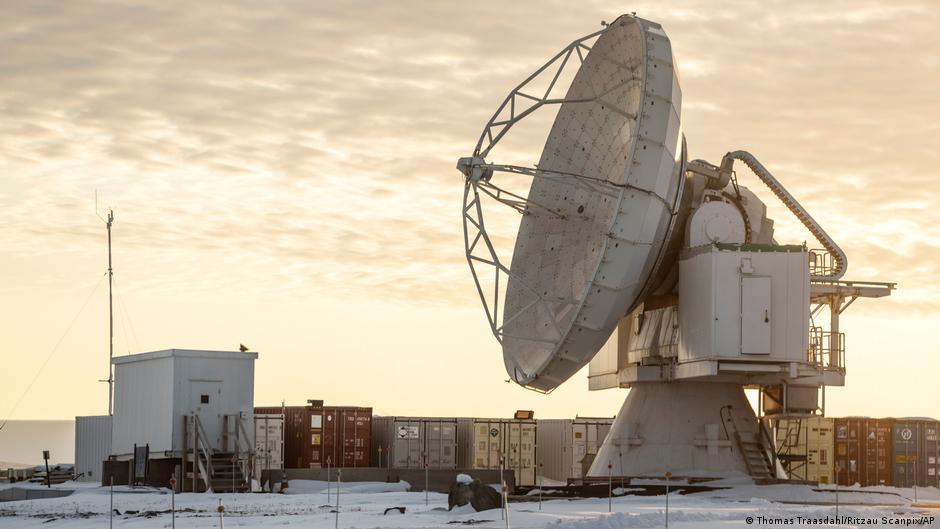
Greenland's parliament approved a trilateral security agreement with the United States and Denmark on November 3, voting 16-0 with seven abstentions. The accord, signed by President Trump, Danish Prime Minister Mette Frederiksen, and Greenlandic Prime Minister Jens-Frederik Nielsen in September, paves the way for two new American military bases at Narsarsuaq and Mestersvig, expansion of the existing Pituffik Space Base, and deployment of Trump's proposed Golden Dome missile defense system.
The agreement followed months of intense diplomatic pressure. Trump had begun demanding US control of Greenland in January 2026, threatening tariffs on European allies and refusing to rule out military force, alarming NATO partners and triggering large protests in Greenland itself. The security deal offered an alternative path: expanded military footprint without transferring sovereignty.
The pact maintains Danish sovereignty over Greenland and affirms Greenlanders' right to self-determination, even if the island becomes independent. It bars any non-NATO country—specifically China and Russia—from establishing military bases, deploying troops, or controlling sensitive economic sectors including resource extraction and critical infrastructure. US officials framed this as permanently addressing Arctic security concerns in the face of Chinese and Russian competition for influence in the region.
Opposition lawmakers, particularly the Naleraq party, questioned whether the agreement delivered sufficient economic benefit to Greenland. No payment or new economic commitments were announced. Denmark's parliament is scheduled to hold its first reading on November 11 and vote on November 19. The agreement requires no approval from the US Senate and will enter into force once both Denmark and Greenland ratify it.
Chanakya's Move
Trump converted an explicit territorial demand into a permanent architectural win. His January threats—military, tariff, rhetorical—were negotiating leverage that Denmark and Greenland had to accommodate. By September, he had redirected that pressure into a security agreement that lasts indefinitely, excludes US competitors from the Arctic, and commits Greenland to NATO even if independent. He paid nothing and conceded nothing in return, betting that a locked-in military footprint serves US strategic interests better than nominal sovereignty. The move trades the absurdity of annexation for the durability of security control. NATO allies accepted it because it resolved the crisis he created and offered a credible counter to Chinese Arctic expansion. Denmark kept sovereignty; Trump kept the Arctic.