
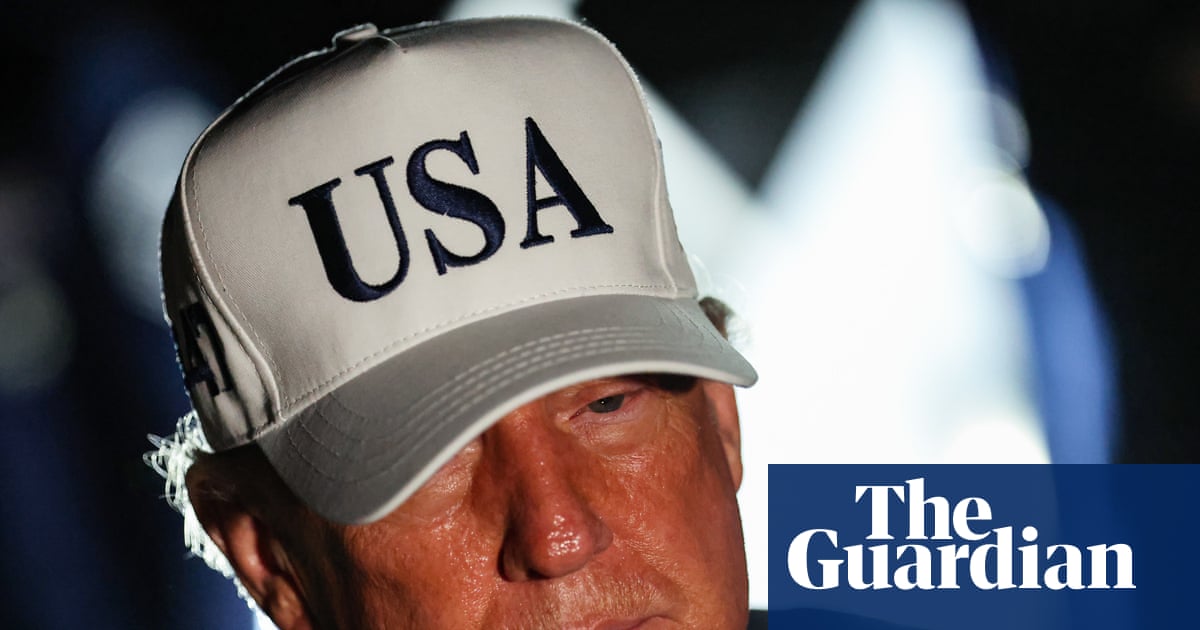
Photo via theguardian.com
Trump Orders 'Minor' Iran Strikes as Nuclear Talks Gain Speed
Parallel military action and diplomacy signal Trump's ambiguous approach to eight-month conflict following midterm election losses.
What happened
President Trump authorized limited strikes on Iranian air defense systems on Friday, November 6, targeting installations on Qeshm Island in the Strait of Hormuz. Trump characterized the action as "minor," noting that U.S. forces destroyed what he called "a little bit of an anti-aircraft device" in roughly 15 minutes. The strikes came days after earlier attacks and mark the first military action since Republicans suffered a significant defeat in Tuesday's midterm elections.
The strikes coincided with accelerated diplomatic efforts. Iran submitted a nuclear proposal to the Trump administration via Qatari mediators on Thursday, outlining conditions for restarting negotiations. Iran demands sanctions relief, war reparations, and reduced U.S. military presence before substantive talks can begin. The U.S. is reviewing the proposal, but fundamental disagreements remain: Washington insists nuclear restrictions be part of any initial deal, while Tehran wants tangible American concessions first.
Trump has sent mixed signals about his strategic intent. On Friday, he told reporters that negotiations are "going fine" and that the U.S. is "doing very well" with Iran. Yet he has also threatened to "finish the job" if Iran rejects a binding nuclear deal, and warned that one or two Iranian nuclear sites remain unstriked. Vice President JD Vance has signaled optimism about a "negotiated settlement," while Pentagon officials have told media that thousands of U.S. forces stand ready to resume major combat operations on Trump's orders.
Most of Iran's air defense systems were destroyed or severely degraded during a June 2025 Israeli bombardment and early stages of the current conflict, which began in late February 2026. U.S. officials expect Iran to attempt to rebuild these defenses over time. The conflict has disrupted global oil markets and created tensions with Israel and regional allies, some of whom have pressed Trump for continued military pressure.
Chanakya's Move
Trump is executing a classic two-front negotiation: maintaining kinetic pressure through "minor" strikes while signaling to Iran that a deal remains possible. The timing—immediately after midterm losses that he blames on the war—suggests he is testing whether limited, low-cost military action can maintain credibility with hawks (Netanyahu, U.S. allies) while opening a diplomatic off-ramp that could claim victory domestically. The move is high-risk: Iran's demand for preconditions before substantive talks could collapse the negotiation. If Iran walks away or retaliates, Trump may face pressure from Netanyahu and his own hardliners to escalate toward the unstriked nuclear sites he has repeatedly referenced. Conversely, if he accepts a nuclear-only deal rather than the broader regime change objective some allies seek, he risks fracturing the coalition. The strategy hinges on Iran believing Trump will resume major strikes—and the credibility of that threat depends on sustained willingness to execute limited action without escalating.