
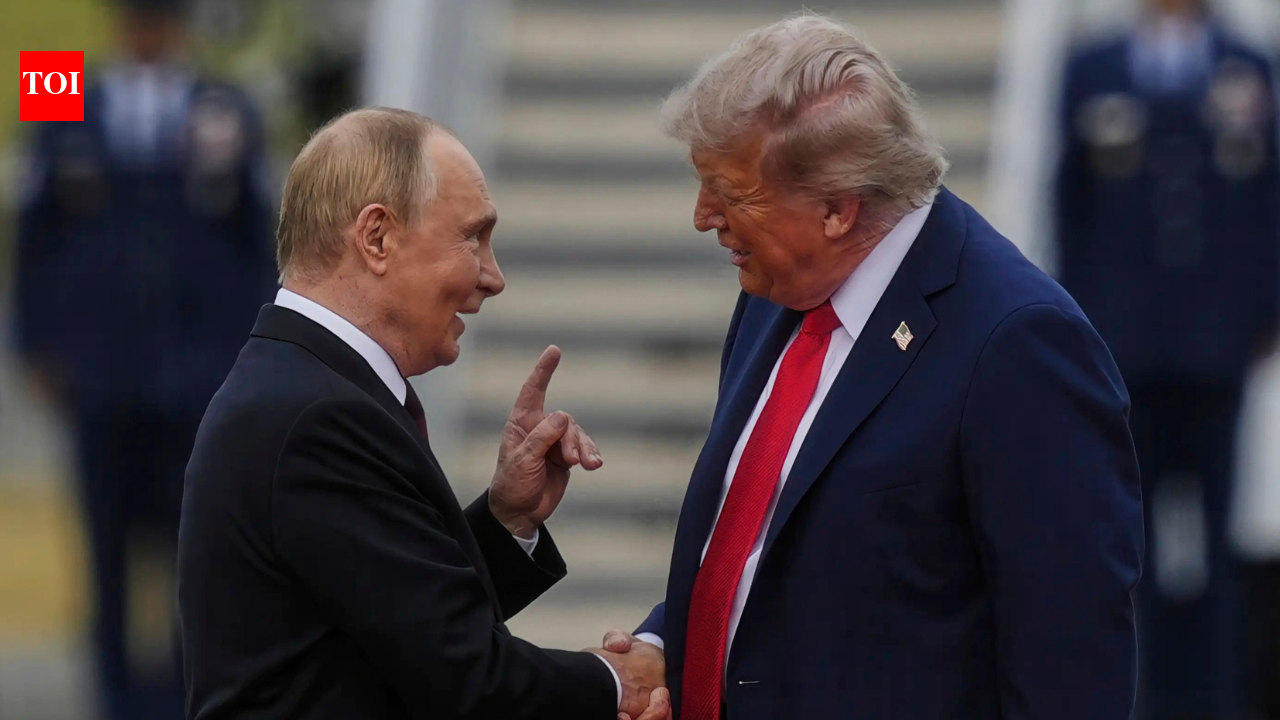
Photo via timesofindia.indiatimes.com
Trump Envoys Push Russian Gas Transit Through Ukraine Pipeline
US officials are proposing to revive Russian natural gas exports to Europe via Ukraine as an economic incentive for Moscow in peace talks.
What happened
The Trump administration is actively promoting a plan to resume Russian natural gas sales to Europe through pipelines crossing Ukraine, according to reporting by the Wall Street Journal. US envoys Jared Kushner and Steve Witkoff raised the proposal during diplomatic visits to Moscow and Kyiv in September as part of broader Ukraine peace negotiations. Under the scheme, Russian gas would be sold through a US intermediary to circumvent existing European restrictions on Russian energy imports.
The plan would generate transit revenues for Ukraine, which lost approximately $1 billion annually when it halted Russian gas transit at the start of 2026. It would also provide Moscow with a tangible economic incentive to negotiate an end to military operations. The administration framed the gas revival as part of a comprehensive peace settlement that could be discussed in three-way talks scheduled for mid-November in Abu Dhabi.
However, European officials have decisively rejected the proposal. Germany, formerly Europe's largest importer of Russian gas, has signaled strong opposition, as have other EU member states including Poland. The European Union formalized regulations in late 2025 designed to phase out all Russian gas imports by the end of 2027, representing a formal shift away from Moscow's energy leverage.
Chanakya's Move
This is Trump playing a multi-vector game: offering Moscow an economic off-ramp from war while simultaneously asserting US control over European energy flows via the intermediary structure. The bet is that a financial incentive for Russia to cease military operations could break the Ukraine stalemate. But the proposal reveals a strategic misalignment: Trump wants to position the US as the broker and beneficiary of European energy security (US intermediaries, US LNG leverage), while Europe's formal policy—approved before his return to office—is to sever Moscow's energy reach entirely by 2027. Germany's hard rejection, combined with Poland's public statements this month against any return to 'business as usual' with Russia on energy, suggests the administration's pitch has collided with European decision-making that pre-dates these talks. The counter-move is not military but institutional: the EU's phaseout timeline constrains what any member state can agree to, and the formal regulatory framework narrows Trump's negotiating space.