
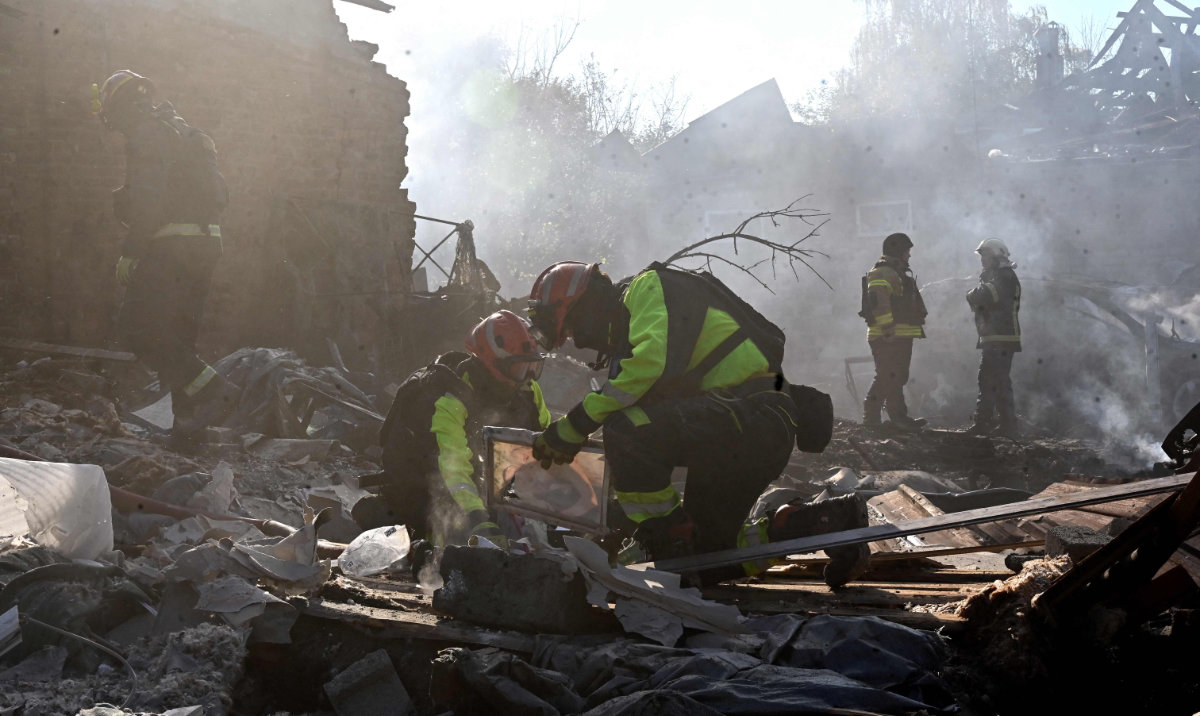
Photo via arabnews.com
Trump announces Russia-Ukraine ceasefire neither side confirmed
Without prior coordination with Kiev or Moscow, Trump declared an immediate energy ceasefire—then Russia struck power plants hours later.
What happened
President Trump announced Sunday via Truth Social that Russia and Ukraine had agreed to an immediate energy ceasefire, halting attacks on each other's fuel infrastructure. The post offered no details and came without advance warning to either party. Ukrainian President Zelenskyy learned of the agreement from social media and told Axios it was "news for me," though he said Ukraine would accept such a ceasefire if Russia agreed. The Kremlin made no public confirmation. Within hours, Russian forces struck power plants in Kharkiv and Kyiv, contradicting Trump's claim. Zelenskyy said the strikes included drone attacks and glide bombs on energy infrastructure.
The announcement followed Trump's Oct. 9 deal with Putin to ease U.S. sanctions on Russian diesel—a move that drew fierce criticism from Ukraine, European allies, and some Republicans. Trump had blamed Ukrainian refinery attacks for global fuel shortages and pressure on U.S. diesel prices ahead of midterm elections. He also suggested Saturday that Zelenskyy should be replaced as Ukraine's leader after the Ukrainian president criticized the diesel agreement.
Republican Senator Thom Tillis questioned the legality of the diesel deal, saying there was "a legitimate case for saying the president's not following the law." The arrangement temporarily waives sanctions imposed under a comprehensive Russia sanctions law Trump signed last month. Treasury Secretary Scott Bessent defended the move, citing existing legal authority.
Trump made a similar energy ceasefire announcement in mid-September that also did not hold. The pattern suggests escalating U.S. pressure on Kyiv to halt attacks on Russian energy targets, coupled with sanctions relief for Moscow, while framing the moves as peace diplomacy.
Chanakya's Move
Trump is playing a two-board game: managing U.S. energy prices for the midterms while positioning himself as a peacemaker without committing to either outcome. By announcing a ceasefire neither side confirmed, he claims credit for diplomacy if any pause holds, while blaming Russia or Ukraine if it fails. The diesel deal buys Putin goodwill and sanctions relief; the ceasefire announcement buys Trump political cover by appearing to seek peace. The risk: Russia tests whether Trump will hold or abandon Ukraine under pressure. If Russia continues strikes unpunished and Trump stays silent, U.S. credibility in Eastern Europe collapses. If Trump backs down on the deal or pressures Russia, he loses the diesel supply and faces higher U.S. fuel prices before elections.