
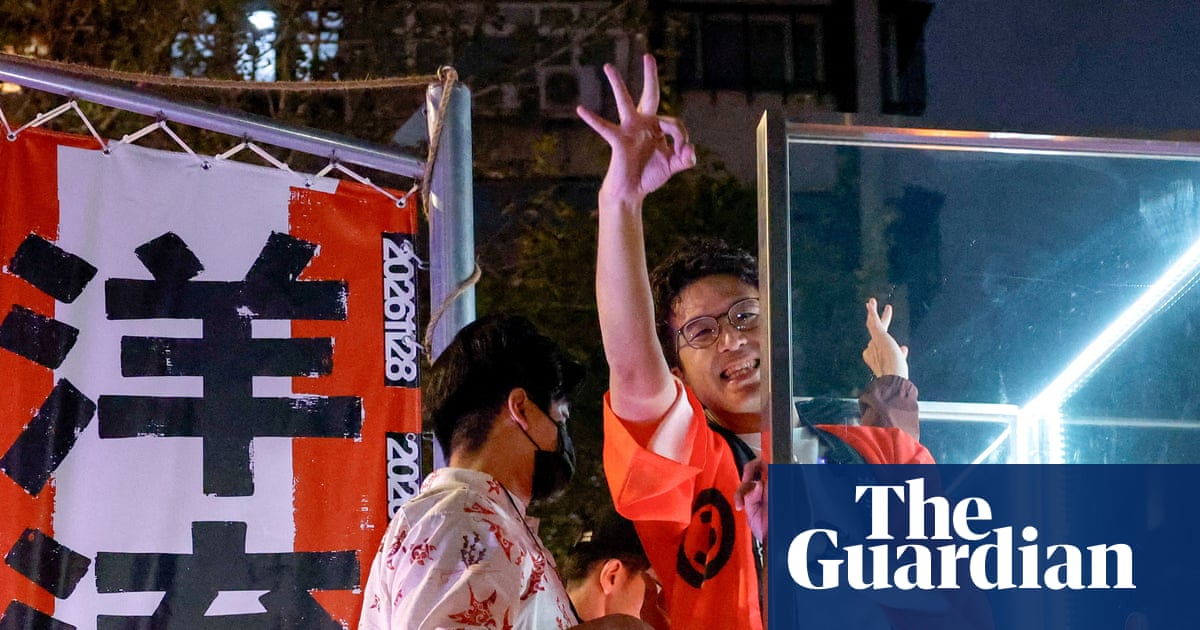
Photo via scmp.com
Taiwan votes amid China interference fears as DPP seeks test before 2028
Saturday's local elections across 22 cities and counties signal public sentiment on the ruling party and cross-strait policy, with Beijing using disinformation to influence outcomes.
What happened
Taiwan holds "nine-in-one" local elections on November 28, with voters choosing mayors, county magistrates, and thousands of lower-level officials across all municipalities. The vote comes nearly two years after the 2024 presidential election that brought Lai Ching-te to power and signals public appetite for the ruling Democratic Progressive Party ahead of the 2028 presidential and legislative races.
Chinese interference looms large. Taiwan's Mainland Affairs Council has flagged over 200 illicit financial transactions linked to electoral manipulation and thousands of suspected misinformation incidents. Authorities documented hundreds of AI-generated videos and deepfakes designed to damage candidates Beijing dislikes, alongside efforts to create fake social media accounts and to financially back pro-unification candidates. Taiwan identified sophisticated cognitive warfare tactics using AI-generated personas to intersperse political messaging in entertainment content—a technique refined from past campaigns.
Beijing views the elections as a barometer for political sentiment in Taiwan and appetite for cross-strait engagement. A strong opposition Kuomintang performance could strengthen arguments for renewed dialogue with Beijing, while continued DPP strength would signal Taiwanese preference for the incumbent's cautious approach. The KMT, which led previous elections with 14 of 22 seats, is defending ten open mayoralties; the DPP holds only five seats but enters with higher favorability ratings.
Key races include Taipei City, a toss-up between incumbent KMT Mayor Chiang Wan-an and DPP lawmaker Puma Shen (targeted by China as a separatist), and New Taipei City, Taiwan's most populous jurisdiction. The DPP could improve on its 2022 performance, when it suffered its worst electoral defeat in party history. Local issues—housing, transportation, and economic distribution—dominate campaigning, though cross-strait policy shapes how voters perceive party platforms.
Chanakya's Move
Beijing's move: China is running a high-stakes interference campaign using AI-generated disinformation, financial incentives, and deepfakes to test whether coercion and sophisticated cognitive warfare can shift Taiwan's political trajectory toward opposition parties more open to dialogue. The timing is strategic—these elections precede the 2028 presidential race, making them a proving ground for interference tactics and an early signal of whether Taiwanese resistance holds. What Beijing is betting on: That Taiwanese voters, exposed to years of threat and economic incentive, will migrate toward the pro-engagement KMT, giving Beijing evidence that pressure works and opening a pathway to candidate-level engagements before 2028. What could counter it: A decisive DPP or strong pro-independence showing would signal that Taiwan's public rejects coercion and that Chinese interference, however sophisticated, fails to move electoral outcomes. High turnout and police enforcement against illegal financing would also reduce Beijing's leverage.