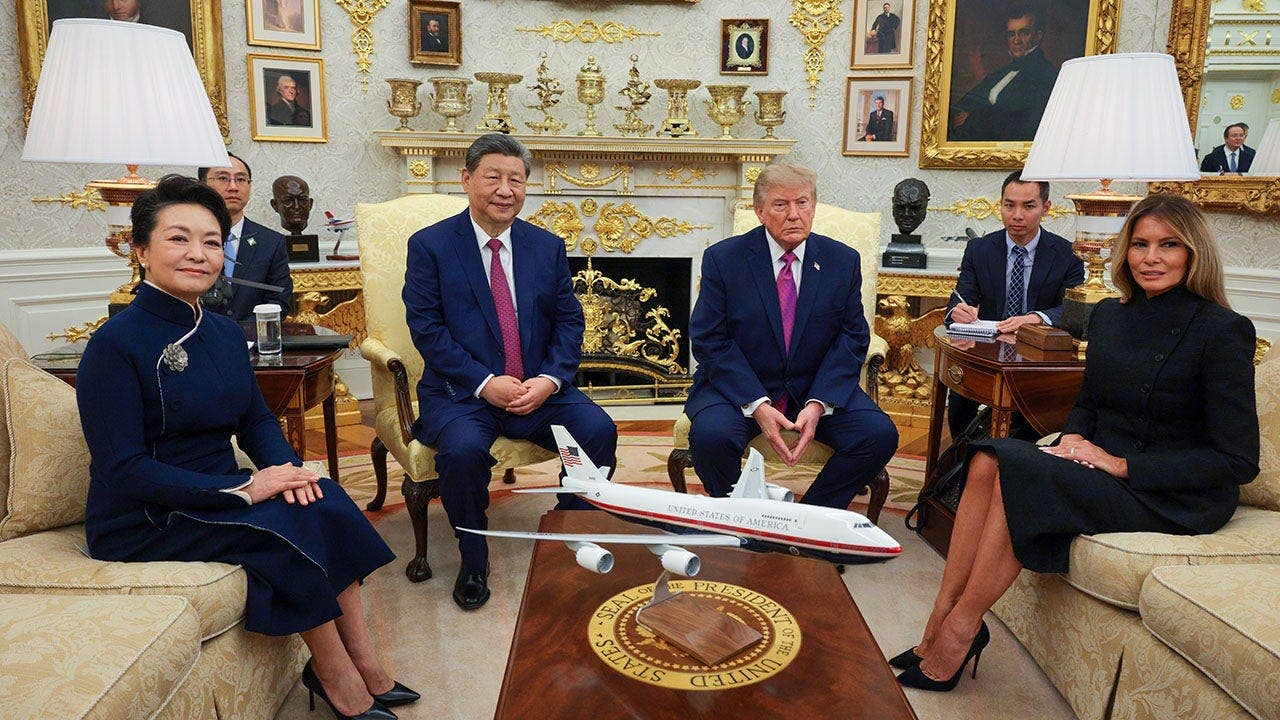
Taiwan analysts: Trump-Xi summit yielded no policy shift, but upcoming tests will tell the real story
Beijing pressed for stronger language opposing Taiwan independence, but Washington kept its traditional position private. The real measure will come in arms sales approvals and high-level visits.
Taiwanese analysts convened Saturday at the Institute for National Policy Research to assess the September 24-25 summit between Presidents Trump and Xi Jinping at the White House. Their consensus: no official policy change toward Taiwan emerged, but the absence of public concessions masks questions about private understandings. China's Ministry of Foreign Affairs reported that Xi explicitly raised Taiwan and called on Washington to change how it frames Taiwan independence, pressing the language "opposes Taiwan independence" rather than "does not support" it. The White House fact sheet, however, did not mention Taiwan at all, and as of September 26, Trump had not publicly detailed his Taiwan discussions with Xi nor announced decisions on a pending arms package. Most analysts expect no formal shift in U.S. policy, with Kuo Yu-jen of National Sun Yat-sen University telling Fox News Digital that both leaders got what they needed—Trump economic results, Xi diplomatic prestige. Yet observers remain alert to whether Beijing secured private concessions that only become visible through future actions.
How could this affect you
Traced by who's actually in the path of this — not everyone is.
Likely
Taiwan defense planners and security officials
If Trump has privately agreed to condition arms sales on Beijing's behavior or delay approvals as a bargaining chip, Taiwan's military modernization timeline and U.S. security commitments could slow, reducing the island's deterrent posture against PLA military exercises.
Possible
Taiwan technology and business sectors
If the Trump-Xi detente softens U.S. pressure on Chinese trade practices, including high-tech export controls, Beijing could face fewer obstacles to acquiring advanced semiconductors and chipmaking tools, potentially eroding Taiwan's competitive advantage in a key sector.
Possible
Taiwan's ruling Democratic Progressive Party and international supporters
If the White House shifts its public rhetoric to use stronger anti-Taiwan-independence language or accepts Beijing's framing of Taiwan as a "core interest," it could weaken international political support for Taiwan's democracy, even without formal policy changes.
Sources
Every claim here traces back to reporting you can read yourself.