
Photo via timesofindia.indiatimes.com
Swiss Men March Against Violence, Misogyny
Hundreds rallied in Bern as research reveals half of young men aged 18-24 hold restrictive views of masculinity.
What happened
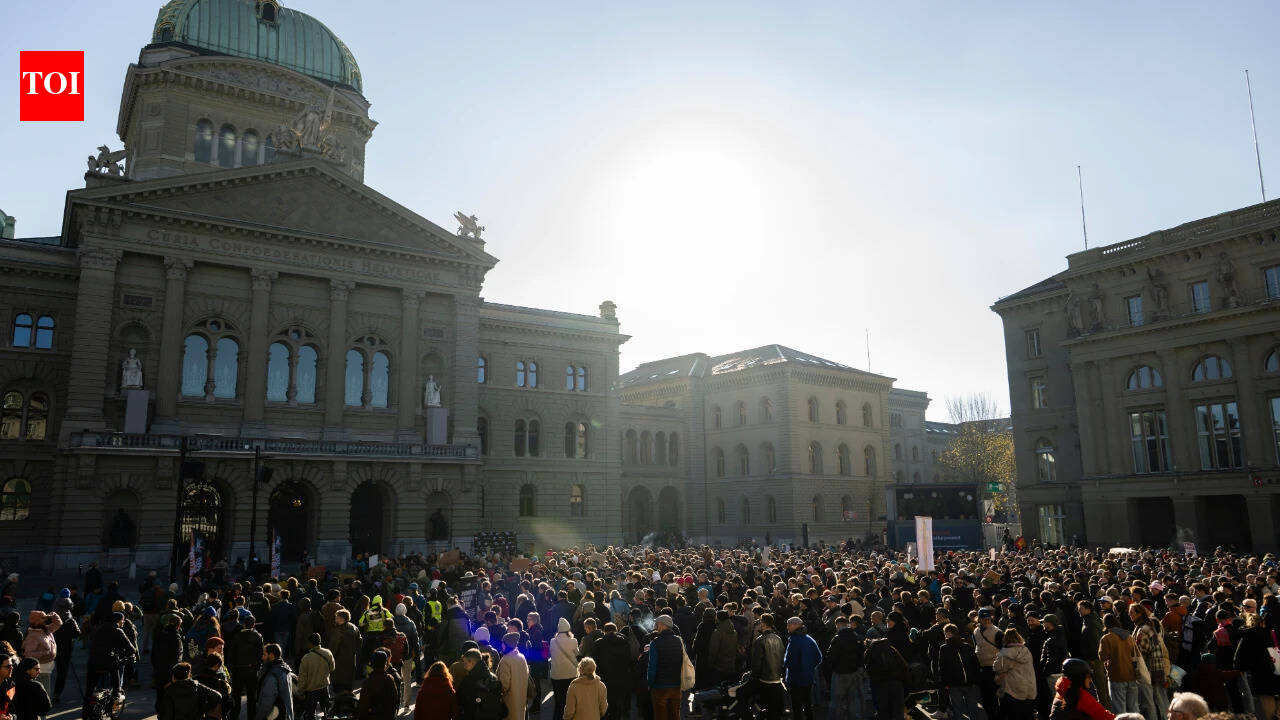
Hundreds of men led a demonstration outside parliament in Bern on Saturday, November 14, to denounce misogyny and violence against women, calling on other men to take a more active role in opposing both. The rally, organized by the group 'Men Against Violence Against Women' and co-organized by social worker Christoph Gosteli and the organization Maenner, targeted online misogyny among teenage boys and young men as a primary concern.
The timing reflects broader anxiety about misogynistic trends online. Some influencers affiliated with the right-wing 'manosphere' have amplified misogynistic messaging and threats since Trump's 2024 presidential win, participants and organizers noted. Justice Minister Beat Jans cited statistics in a prior speech, noting men commit four-fifths of all violent crimes and nearly 99 percent of rape cases.
A survey released in June by the University of Zurich and MenCare, an umbrella group of Swiss men's and fathers' organizations, found that half of male respondents aged 18 to 24 expressed concerns that 'real men are increasingly marginalized in society' and held a 'restrictive and dominance-based view of masculinity.' The research called for systematic, society-wide debate about masculinity ideals that promote violence, beginning in schools.
Chanakya's Move
This is a counter-movement play: male-led organizers are attempting to fracture consensus within the 'manosphere' by positioning the defense of women's safety as a masculine duty, not a threat to male identity. The strategy acknowledges that restrictive masculinity narratives have real purchase among young Swiss men (the 50% figure from the University of Zurich study) and seeks to reframe engagement with gender equality as strength rather than capitulation. The timing—after Trump's return to office emboldened 'manosphere' influencers—suggests organizers see a narrow window to shift discourse before these narratives entrench further among vulnerable cohorts. What could undercut this: if online 'manosphere' communities characterize the march itself as emasculation or betrayal, they could accelerate radicalization among the young men it targets.