
Photo via hindustantimes.com
Starshield Speed Cap Undercuts Ukraine's Winter Energy Defense
Restrictions on SpaceX's military satellite system reemerged as Russia pounded eight regions with drone strikes, making it harder for Ukraine to intercept attackers before winter.
What happened
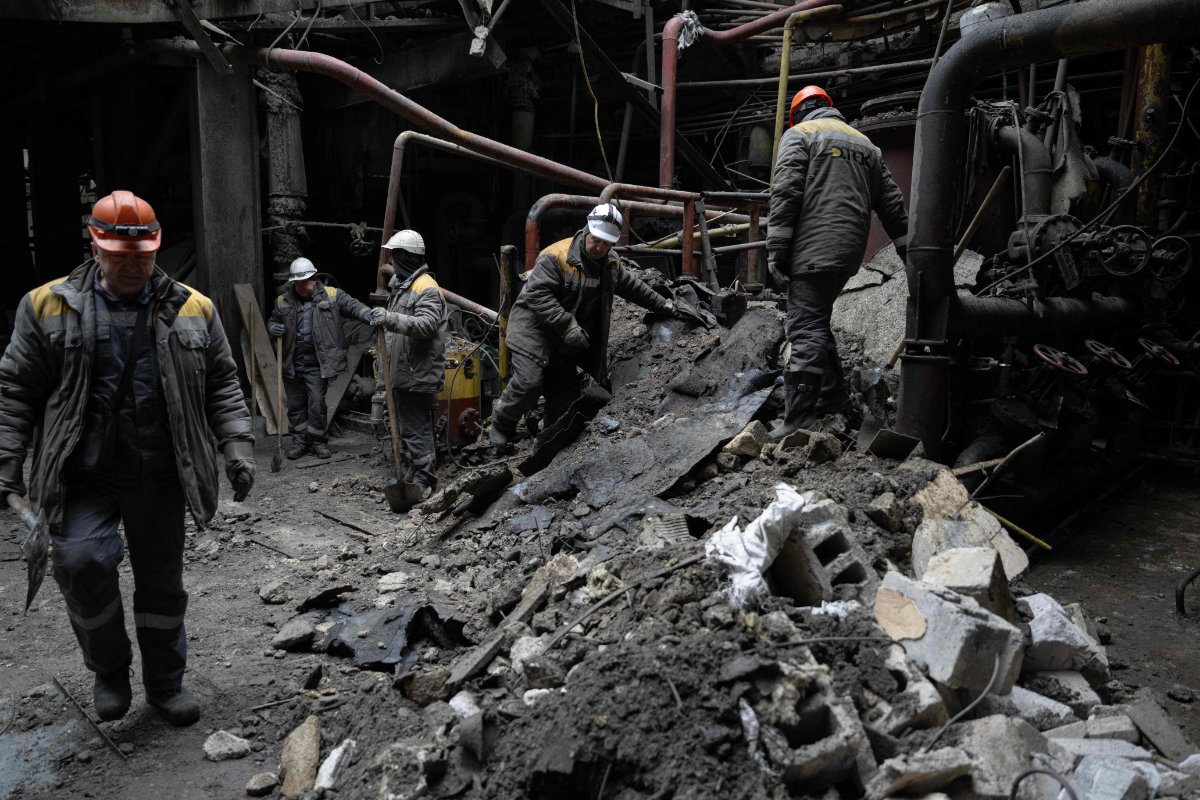
President Volodymyr Zelensky said on Sunday that Russia struck energy and railway infrastructure across eight Ukrainian regions overnight, in attacks he linked directly to restrictions on Ukraine's use of Starshield, SpaceX's military-grade satellite communications system. The restrictions—which cap the operational speed of Starshield terminals to 161 kilometers per hour (100 miles per hour)—prevent Ukrainian interceptor drones from reaching the velocity needed to catch Russian Shahed drones before they hit power generation facilities. A strike on Chornomorsk in Odesa region injured six people and damaged energy infrastructure. Zelensky warned that as winter approaches, when Moscow has historically escalated attacks on Ukraine's power grid, the speed limits could cripple the country's ability to defend its energy system from systematic Russian air campaigns.
The Starshield restrictions returned around November 12, less than three weeks after Ukraine announced they had been lifted following contacts with Washington. Zelensky disputed claims the problem was technical, saying his military had confirmed the restrictions were systematic and intentional. The origin of the order remains contested: SpaceX CEO Elon Musk argued the system is owned and controlled by the U.S. government, with the military and President Trump having final say on restrictions. But earlier reporting suggested Musk himself ordered the October restrictions, and Ukrainian officials have questioned why they persist now as U.S. envoys conduct peace negotiations with Russia.
The timing adds pressure to both the technical question and the strategic one. Ukraine has already said it destroyed more than 55% of Russian refining capacity through drone strikes, part of its counteroffensive against Moscow's energy attacks. But without full Starshield capability, Ukrainian drone defenses face a choice: wait for slower air defense systems to engage Russian targets, or rely on interceptor drones that cannot reach sufficient speed to catch jet-powered Shahed drones. Zelensky has instructed Ukraine's Foreign Ministry, Defense Ministry, and his office to engage directly with both the Trump administration and SpaceX to lift the limits.
Chanakya's Move
This is a three-player move played out through technical constraints. Trump's administration is conducting negotiations with Russia while maintaining plausible deniability about Starshield limits—Musk pins responsibility to the U.S. military and Trump, Trump denies ordering anything, Musk claims Ukraine violated terms. Meanwhile, Russia gains tactical advantage (failed intercepts = more successful strikes), and Ukraine loses its best real-time defense against Shahed drones without having to formally request a ceasefire or concede diplomatically. Zelensky's escalating pressure on Trump and SpaceX—involving Congress, his own ministries, and direct public statements—is betting that political cost will force a reversal before the deep winter campaign hits. The counter-move would be a public commitment from Trump and Musk to unrestricted Starshield access, tying Ukraine's defensive capability explicitly to U.S. policy rather than leaving it in the gray zone where restrictions can appear technical rather than political.