
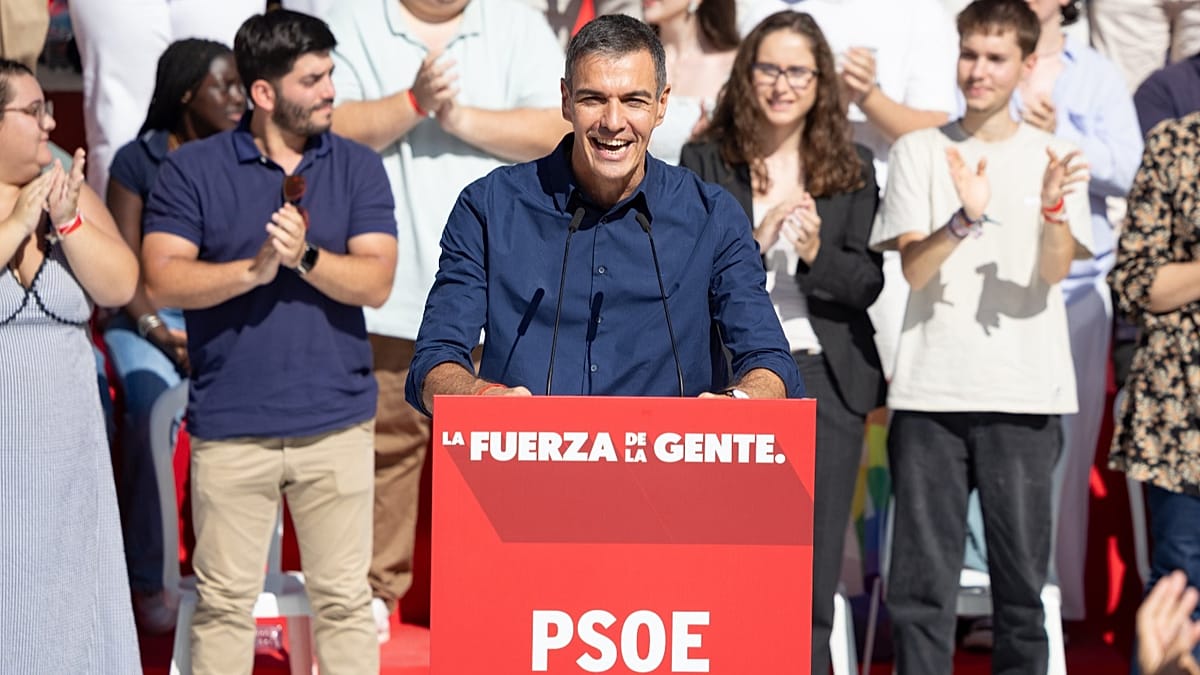
Photo via euronews.com
Sánchez launches campaign on housing crisis, betting snap election will shift parliament
Spain's PM opens his November 29 campaign with 21 housing measures and appeals to Maricarmen Abascal's plight, gambling that electoral realignment can break the parliament deadlock that forced the call.
What happened
Pedro Sánchez kicked off his November 29 election campaign on October 10 in Seville, positioning housing as the central theme and paying tribute to 87-year-old Maricarmen Abascal, whose September eviction sparked nationwide protests that destabilized his minority government. Sánchez announced 21 housing measures, including 10 billion euros in zero-interest loans for first-home purchases, and re-approved two housing decree-laws through executive action after parliament rejected them on October 2. The Catalan party Junts, the Socialist Workers' (PSOE) key parliamentary partner, joined the right-wing PP and far-right Vox in blocking the decrees, citing concerns about market intervention.
In response, Sánchez called the snap election, framing it as an appeal to voters to give him a larger progressive majority capable of passing housing reforms. His opposition, People's Party leader Alberto Núñez Feijóo, launched his own campaign simultaneously, attacking Sánchez for eight years of housing failure. Polls suggest the most likely outcome remains a PP-led coalition, potentially requiring Vox support, which could complicate housing policy further.
Chanakya's Move
Sánchez is gambling that housing anger will realign the parliament in his favor. His move was born of necessity: his coalition fragmented when Junts defected on the housing decrees, leaving him unable to govern. By calling an election, he's betting that Spanish voters, angered by Abascal's eviction and the visible failure of parliament to act, will deliver him a larger PSOE-plus-allies bloc with working majorities. His campaign strategy casts housing as a moral issue (Abascal) rather than a technical one, and frames opposition as callousness. The counter-move is Feijóo's argument that eight years of Sánchez governance produced the crisis itself—meaning the problem is not will but competence. Polls suggest Sánchez's bet is long: a PP win remains the most likely outcome. What could shift this: if housing remains the dominant frame (not migration, which traditionally favors the right) and if the PP can be forced to clarify whether a Vox coalition would also oppose housing interventions, Sánchez could consolidate the left. Alternatively, if the public tires of the housing narrative or other crises emerge, the structural advantage tilts back to the PP.