
Photo via dw.com
Salvadoran soldiers die in Haiti camp explosion
Three troops killed in accidental blast mark first casualty of Bukele's month-long deployment to combat gangs.
What happened
Three Salvadoran soldiers died Friday in an accidental explosion at a military camp in Haiti, the armed forces of El Salvador said, marking the first combat-related fatalities in the country's rapidly expanding deployment. Two soldiers were killed at the scene while handling explosive material; a third died later at a hospital in the Dominican Republic after being airlifted for medical care. A fourth soldier wounded in the blast was out of danger.
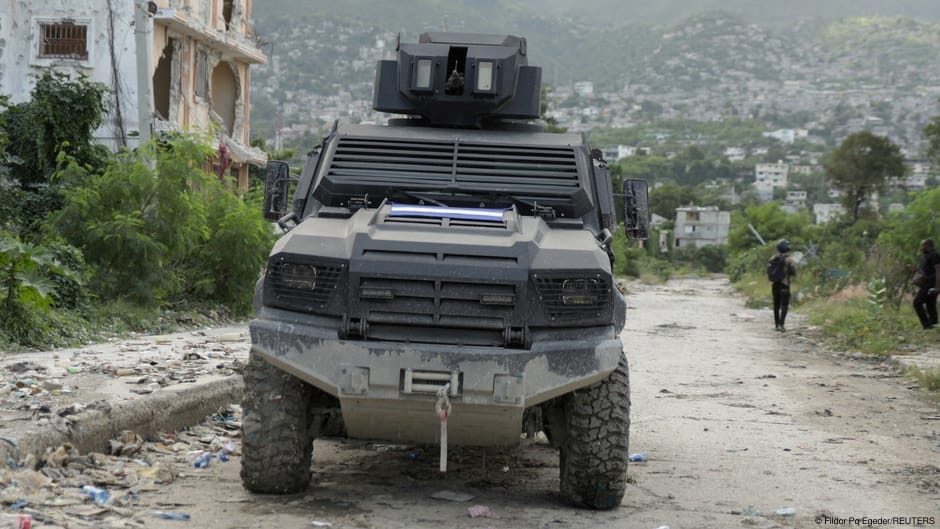
The deaths come a month after President Nayib Bukele deployed roughly 2,500 troops to Haiti, initially to rescue four Salvadoran aviation technicians who went missing in an October 18 gang ambush near Port-au-Prince. The rescue mission has since expanded into broader gang suppression operations, with Salvadoran troops now operating independently from the UN-backed Gang Suppression Force.
On the same day as the explosion, Haiti and El Salvador announced a cooperation agreement to build three new prisons, with construction to be carried out by a Salvadoran company working with Haitian firms. Haiti's Justice Minister Patrick Pélissier, who had visited El Salvador earlier in the week to tour the country's maximum-security CECOT prison, did not disclose costs, financing, or the extent of El Salvador's management role in the new facilities.
Bukele has built his political brand on a hardline gang crackdown that reduced El Salvador's homicide rate; the Haiti deployment represents the first time he has exported this security model beyond his own borders. The move has drawn support from many Haitians amid the country's ongoing gang crisis, though questions remain about the scope and duration of the Salvadoran military presence and whether it will escalate or contain violence in the region.
Chanakya's Move
Bukele is engineering a regional security dependency. By deploying troops, building prisons, and offering visible gang suppression wins, he positions El Salvador (and himself) as the region's security solution—a move that extends his domestic strongman authority into Haiti's governance structures without formal political control. The prison deal is especially strategic: it locks Haiti into Salvadoran security doctrine, training, and potentially detention practices. Trump's approval of the deployment (reported earlier in October) and the lack of serious multilateral pushback suggest Bukele has calculated that he can operate beyond UN constraints. The first casualty is a risk he appears willing to absorb as proof of commitment. What could counter this: a successful UN-led alternative security framework, domestic pressure within Haiti against dependency on a foreign strongman, or evidence that the crackdown model escalates rather than controls violence.