
Photo via haaretz.com
France Proposes UNIFIL Drawdown as Lebanon-Israel Talks Resume
French resolution would let UN peacekeepers continue limited tasks after Dec. 31 mandate expires, as Israel prepares for delayed negotiations.
What happened
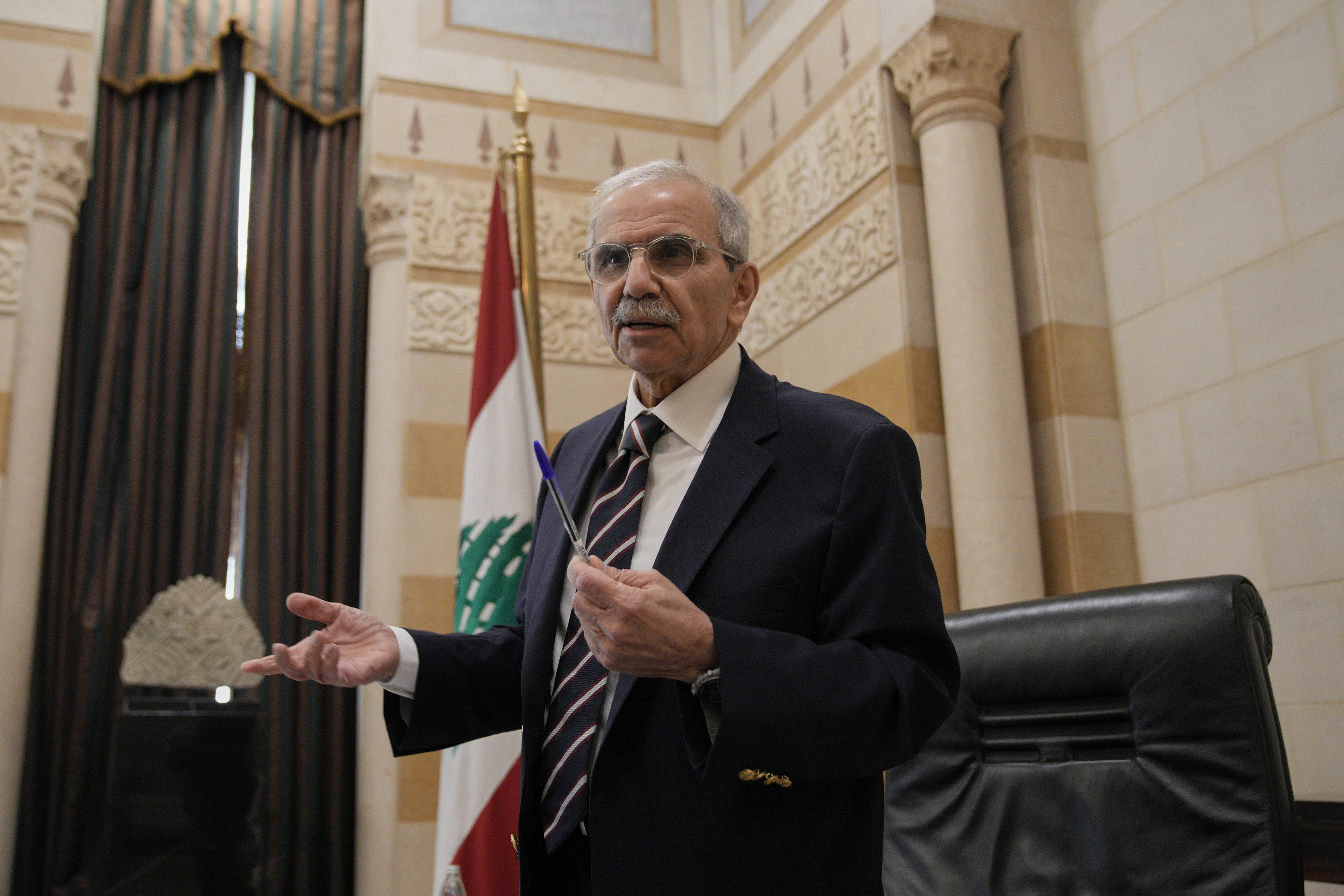
Lebanese Prime Minister Nawaf Salam announced Friday that France is preparing a UN Security Council resolution allowing UNIFIL to continue some operations during a phased withdrawal after its nearly 50-year mandate expires on December 31. The proposed functions include mine clearance, humanitarian convoy escort, and monitoring of violations in southern Lebanon. Salam framed the arrangement as a bridge: "This would not resolve the problem of so-called post-UNIFIL, but it will give us some extra time to agree on a new architecture in southern Lebanon."
The U.S. has indicated it could be "open to considering" such an arrangement, Salam said, though France has not publicly commented. The 7,500-strong force is currently scheduled to begin a gradual six-month drawdown starting January 1, 2027, unless a resolution extends its limited role. The proposal comes as Israel and Lebanon prepare to resume delayed negotiations before year-end, their first formal talks since August and the eighth round overall. Formal discussions had stalled following Israeli elections and uncertainty over the country's next government.
Israel opposes the French initiative on multiple fronts. Ambassador Danny Danon told The Jerusalem Post that France's various proposals—including a potential UN monitor role and direct troop deployments to southern Lebanon—are "unacceptable," warning they could allow Hezbollah to "return to the places where it was." Israel successfully pushed the UN Security Council last year to terminate UNIFIL's mandate, arguing the force had failed to prevent Hezbollah's military buildup. Israeli officials view any continuation as a form of "UNIFIL 2.0" that lacks legitimacy and military capacity.
The standoff reflects the collapse of a June 2026 framework agreement between Lebanon and Israel in which Israeli forces were to withdraw and Hezbollah disarm. Implementation has stalled, with Israeli troops remaining in southern Lebanon and Hezbollah rejecting disarmament demands. Lebanon fears a security vacuum upon UNIFIL's withdrawal, while Hezbollah has stated it would accept a UN-mandated force but not foreign troops seen as supporting Israeli occupation.
Chanakya's Move
France is using the UNIFIL mandate crisis to position itself as the custodian of Lebanon's stability and a check on Israeli unilateralism. By drafting a resolution that keeps UN-mandated operations in place during a drawdown, France gains diplomatic leverage in a region where it has historical ties but limited hard power. The move also signals to Hezbollah and Iran that multilateral frameworks—not Israeli force alone—will govern southern Lebanon's future. Israel, by contrast, is betting that UNIFIL's absence and the resulting security vacuum will either force Lebanon to capitulate to Israeli demands or justify continued Israeli presence on security grounds. Israel's ambassador's recent statements rule out alternatives preemptively. The United States appears to be hedging—open to France's idea in principle while backing Israel's objections in practice. The eighth round of talks planned before year-end is the real arena: if Lebanon-Israel negotiations produce a credible joint security plan, France's UNIFIL extension becomes unnecessary; if they collapse, the December 31 cliff becomes a crisis and France may gain leverage to push alternatives. Israel's move to end UNIFIL was strategic patience; France's resolution is an attempt to regain the initiative by stretching time.