
Photo via straitstimes.com
Rising Oil Prices Turn Myanmar Oil Fields into War Prize
The Middle East conflict has doubled Myanmar's fuel prices, making artisanal oil in Magway region a crucial revenue source for both rebels and the military.
What happened
Myanmar's small-scale oil prospectors in the Magway region are caught in escalating combat as pro-democracy rebels and the military battle for control of artisanal oil fields. The surge in global oil prices triggered by the US-Israeli war on Iran has transformed these modest operations into a significant economic prize for both sides of Myanmar's civil war. Myanmar imports 90 percent of its fuel oil, making it acutely vulnerable to global supply disruptions. Petrol pump prices rose 56 percent from late February to August 2026, nearly doubling from their pre-crisis levels.
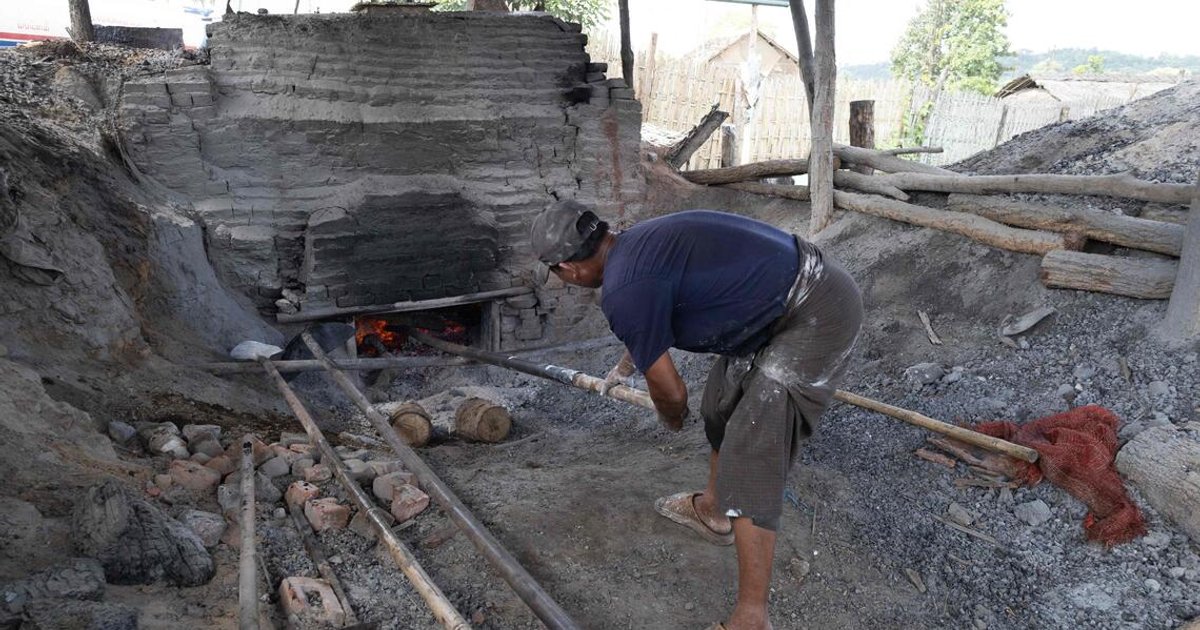
Pro-democracy rebels claim to have controlled oil fields in Magway's Myaing township since 2023 and now operate from foxholes amid thousands of hand-dug wells where engine-powered winches extract crude oil slurry. A rebel spokesman said the military's counter-attacks aim to "destroy what has been a strong supply route and source of revenue" for the resistance. Military control of major oil projects remains limited in output, producing only around 6,000 barrels per day according to US energy data, but experts estimate the artisanal fields yield millions of barrels annually—money that both combatants desperately need.
The oil fields are particularly valuable to rebels precisely because they operate informally and remain too distributed for the military to completely control. All sides in the war—military, rebels, and ethnic armed groups—are racing to tax and trade natural resources including oil, gems, rare earths, and timber to fill their war chests. Myanmar's military has historically relied on state-owned Myanma Oil and Gas Enterprise for hundreds of millions in annual foreign revenue, but as resistance forces expand territorial control, access to even small-scale oil production has become strategically critical. The higher the global price of crude, the greater the incentive for each side to fight over these wells.
Chanakya's Move
Both the military and pro-democracy rebels are betting that control of Magway's oil fields will sustain their war machines. The military relies on MOGE for state revenue to buy weapons; rebels rely on capturing and taxing oil production to fund operations. The Middle East crisis has raised the stakes by making even artisanal output economically meaningful. The military's advantage lies in air power and control of major refineries, but rebels' advantage is territorial presence among thousands of dispersed wells—harder to target with airstrikes. The counter-move by either side is escalation: the military has intensified airstrikes on rebel-held areas; rebels aim to deny the military access to any revenue-generating resource. The game hinges on whether global oil prices remain elevated; if the Middle East war ends and prices fall, both sides will have less incentive to fight over fields that become less profitable.