
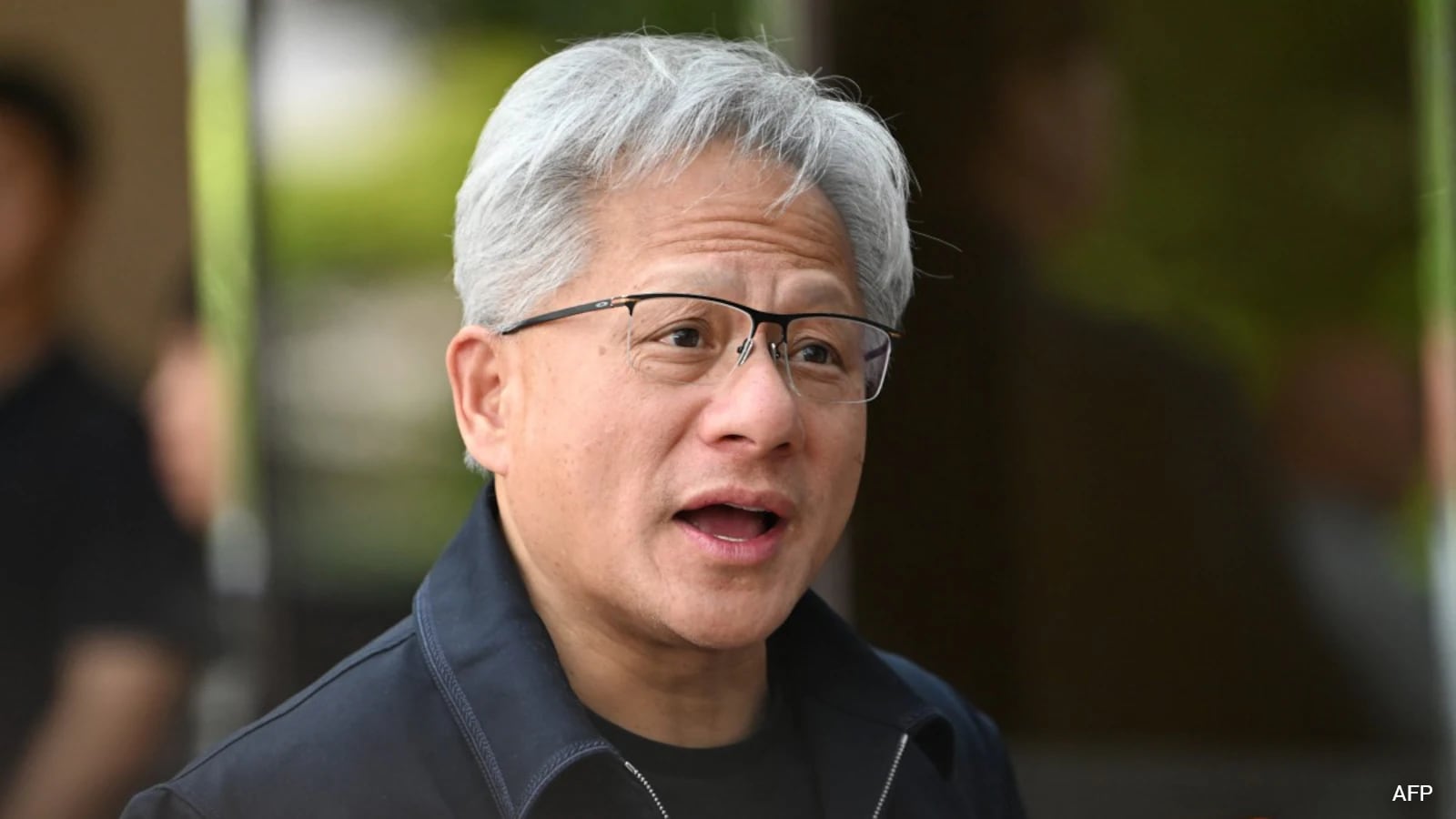
Photo via axios.com
Nvidia Board Weighs Ousting Huang After Second Affair Emerges
CEO faces board meeting over affairs with suspected Chinese spy and internal executive as stock erases $600 billion in days.
What happened
Nvidia's board convened on Wednesday evening to consider the ouster of co-founder and CEO Jensen Huang after fresh revelations surfaced of a second extramarital affair, this time with an internal executive. The New York Times reported Huang had a relationship with Kimberly Powell, the company's vice president of healthcare who reports directly to him. The two were observed being affectionate at Nvidia's March developer conference in San Jose. Powell is a 18-year Nvidia veteran who has built the company's healthcare business unit.
The emergency meeting marks an abrupt reversal. Three days earlier, on Sunday, Nvidia's board had expressed confidence in Huang even as it launched an investigation into whether he had been targeted by foreign intelligence. That probe centers on his acknowledged affair with Alice Huang (also known as Huang Le), an executive at Singapore-based Megaspeed suspected by U.S. officials of being a Chinese intelligence asset conducting illegal chip smuggling. Megaspeed has been Nvidia's largest customer in Southeast Asia.
Stock markets reacted sharply. Nvidia shares fell 8.6 percent in after-hours trading Wednesday following the Wall Street Journal's report that the board was preparing to oust Huang, who has led the company for 33 years. The decline came atop a week of heavy selling: the stock has lost roughly $311 billion in market value since Monday, with some analysts estimating total losses from Nvidia's recent peak at closer to $600 billion to $1 trillion. No successor is apparent. Huang has publicly opposed succession planning and maintains tight operational control with roughly 60 direct reports.
House Republicans have separately demanded a closed-door briefing from Huang on his relationship with the suspected Chinese spy, with threats of a congressional subpoena. Nvidia's board is working with an outside firm to explore potential replacement candidates. The company is scheduled to report quarterly earnings on November 17, days after any board decision.
Chanakya's Move
This is a forced move by the Nvidia board, driven by compounding personal conduct scandals and external political pressure rather than strategic choice. Huang's original Sunday statement and the board's expressed confidence backfired once the second affair became public—compliance and governance breaches (an affair with a direct report) now make continued tolerance of his leadership untenable for independent directors facing fiduciary and reputational risk. The board is betting that removing Huang swiftly will contain the damage and reassure Congress, shareholders, and the intelligence community that Nvidia's governance is intact. The major risk: no successor exists, and Huang's irreplaceability as the company's public face and strategic voice means his departure could trigger deeper uncertainty about Nvidia's future than his retention of the CEO title. The Trump administration's public support for Huang (calling him 'honorable') may limit the board's political cover, but the intelligence operation allegations and internal policy violations leave no graceful middle ground.